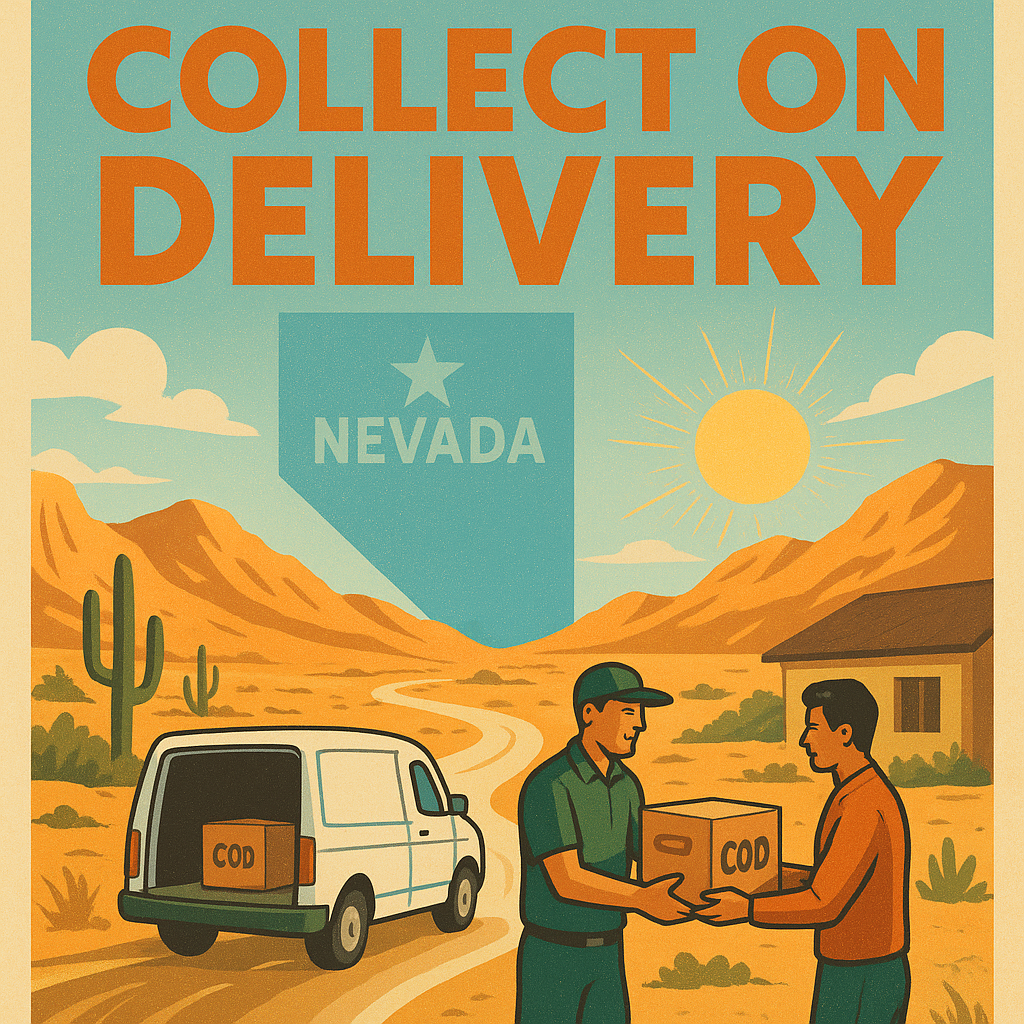
bookmark_borderNavigating Nevada’s Collect on Delivery Shipping Options for Businesses

Imagine a customer in Reno orders a piece of furniture. The truck arrives, the customer hands over payment at the door, and the driver heads off. That is collect on delivery (COD) in action. It’s convenient, but it also creates a lot of trust. The state of Nevada wants to make sure that trust is backed by something real. That is where the Nevada Collect on Delivery Bond comes in.

If your business offers COD shipping, you may have seen this requirement on a licensing checklist or heard about it from a partner. It can feel confusing at first, but the idea is simpler than it sounds. Let’s break it down in plain language.

What Is Collect on Delivery Shipping?

Collect on delivery, or COD, is a shipping method where the customer pays for goods when they receive them rather than paying ahead of time. The carrier collects the payment from the buyer and then passes that money back to the seller or shipper.

Think of COD like a restaurant where you pay after the meal instead of before. The server brings your food, you enjoy it, and then you settle the bill. In shipping, the driver acts a bit like that server. They deliver the product and collect the payment at the same time.

This system builds convenience, but it also creates risk. Money is moving through more hands. If a shipper collects payments and fails to pass them along, customers and businesses can lose out. That’s why Nevada keeps a close watch on COD shippers.

Why Nevada Cares About COD Shippers

Nevada is a busy state for commerce. Goods move through Las Vegas, Reno, Henderson, and rural communities every day. When cash or payments are collected at the door, there are more chances for mistakes, disputes, or even fraud.

State regulators want to protect the public. They also want to keep the shipping industry fair. A Collect on Delivery Bond in Nevada gives everyone a financial safety net. It tells customers and business partners that your company is serious about following the rules.

Ask yourself: would you hand payment to a carrier you didn’t trust? Probably not. A bond helps build that trust before a single package is delivered.

What Is a Nevada Collect on Delivery Bond?

A Nevada Collect on Delivery Bond is a type of surety bond. It is not the same as business insurance, even though many people mix them up. A surety bond is a three-party agreement.

  • The principal: That’s your business, the COD shipper.
  • The obligee: That’s the state of Nevada or the agency requiring the bond.
  • The surety: That’s the company that backs the bond financially.

In simple terms, the bond is a promise. Your business promises to follow Nevada’s COD rules. If you don’t, a claim can be made against the bond. The surety may pay out first, but you are ultimately responsible for repaying that amount.

You can think of it like a security deposit. The state requires it to make sure you will do the right thing. If everything runs smoothly, the bond just sits there quietly in the background.

Who Needs a COD Bond in Nevada?

Not every online store needs this bond. But if your company transports goods and collects payments on delivery within Nevada, you might. The requirement often applies to carriers, couriers, freight companies, and moving businesses that handle COD transactions.

Here are a few common examples.

  • A local courier service delivering packages and collecting cash or checks.
  • A trucking company hauling freight with COD terms for a supplier.
  • A moving company that collects payment when household goods arrive.
  • A third-party logistics provider managing delivery and payment collection for multiple clients.

If your business fits one of these descriptions, check with the state agency that issued your license or permit. They can confirm the exact bond amount your operation needs.

How the Bond Protects Everyone

A bond might sound like just another government hoop to jump through. But it actually helps everyone involved.

For customers, the bond offers a path to recover money if a shipper collects payment and disappears. For sellers, it reduces the risk of working with unreliable carriers. For the state, it creates a clear financial consequence for bad actors. For your business, it signals that you operate with integrity.

Picture a rideshare driver with a license displayed on the dash. That small card tells you the driver has met certain standards. A COD bond works the same way. It is a quiet badge of accountability.

How to Get a Nevada Collect on Delivery Bond

Getting a COD bond in Nevada is usually a straightforward process. It does not have to eat up your week. Here’s how it typically works.

1. Confirm Your Required Bond Amount

The state will tell you how much coverage you need. The amount can vary depending on your business type, the value of goods you handle, or current Nevada rules. Never guess. Always get the official number from the agency managing your license.

2. Apply With a Bond Provider

You can work with a surety bond agency or broker. They will ask for basic business information and sometimes run a credit check. Think of it like applying for a financial product. The stronger your credit, the smoother the process.

3. Pay a Small Percentage

You do not usually pay the full bond amount. Instead, you pay a premium. That premium is often a small percentage of the total bond. For example, if your bond is $10,000, your premium might be only a few hundred dollars per year.

4. File the Bond With the State

Once your bond is issued, you’ll need to file it with the appropriate Nevada agency. This step makes the bond active and keeps your license or permit in good standing.

What Affects the Cost of a COD Bond?

The price you pay depends on a few things. Your credit score is one of the biggest factors. Businesses with strong credit often pay lower rates. Businesses with weaker credit may still get approved, but the premium can be higher.

The bond amount also matters. A larger bond costs more because it carries more financial exposure for the surety company. Your industry experience and business history can play a role too.

If you are worried about the cost, remember that a bond is not a one-time purchase. It is usually renewed every year. Budget for it like you would for a license or registration fee.

Common Mistakes to Avoid

When dealing with any bonding requirement, a few simple mistakes can cause delays or extra costs. Watch out for these.

  • Guessing the bond amount: Always verify with the state. An incorrect amount can hold up your license.
  • Confusing a bond with insurance: A bond protects the public and the state. It does not protect your business from every loss.
  • Letting the bond lapse: If your bond expires, you could face fines or lose your ability to operate.
  • Hiding business issues from your bond provider: Be honest during the application. It helps you get the right coverage faster.

Keeping Your Nevada COD Bond in Good Standing

Once your bond is in place, your job is not over. You need to maintain it. Keep your payments current, renew on time, and inform your bond provider if your business changes address or ownership.

If a claim is filed against your bond, take it seriously. Respond quickly and work with your surety to resolve the issue. Acting fast can help protect your business reputation and your finances.

Think of your bond like a car registration. It is easy to forget about until something goes wrong. But staying on top of it keeps you on the road without stress.

Final Thoughts

Nevada’s Collect on Delivery Bond might feel like one more box to check. But it is really a tool that protects your customers, your partners, and your business. By understanding what the bond is and how it works, you can move through the process with confidence.

If you operate a COD shipping service in Nevada, don’t wait until a licensing deadline sneaks up on you. Confirm your bond amount, gather your business details, and apply through a trusted surety provider. A little preparation today can keep your deliveries rolling tomorrow.
bookmark_borderUnderstanding Nevada’s Tobacco Tax Bonds: Crucial Insights for Businesses

If your business deals with cigarettes, cigars, chewing tobacco, or other tobacco products in the Silver State, you may have come across the term Nevada cigarette and other tobacco products tax bond. At first glance, this can feel like just another piece of government paperwork. But understanding it can save you from fines, delays, and avoidable stress.

Think of this bond as a financial promise between your business, the state of Nevada, and a surety company. It’s not insurance in the traditional sense. Instead, it’s more like a security deposit that helps guarantee you’ll pay the excise taxes you owe under Nevada law.

What Is a Nevada Tobacco Tax Bond?

A Nevada tobacco tax bond is a type of surety bond required by the Nevada Department of Taxation. It applies to businesses that manufacture, distribute, sell, or import cigarettes and other tobacco products. The bond is tied directly to Title 32, Chapter 370 of the Nevada Revised Statutes.

In simple terms, the bond gives the state a layer of protection. If a business collects tobacco taxes from customers but fails to pass that money along to the state, the bond can be used to cover the missing amount. The state can then file a claim against the bond.

This protects public funds and ensures that businesses operating in Nevada follow the same tax rules.

Who Needs a Cigarette and Other Tobacco Products Tax Bond?

Not every corner store needs a separate bond just for selling cigarettes. The requirement usually applies to businesses that have a direct tax responsibility under NRS Chapter 370. That often includes:

  • Cigarette wholesalers and distributors
  • Importers bringing tobacco products into Nevada
  • Manufacturers selling tobacco products directly to retailers
  • Large retailers who handle untaxed tobacco products
  • Vape and e-cigarette businesses that fall under other tobacco product rules

So how do you know if your business needs one? The best step is to contact the Nevada Department of Taxation or work with a surety bond professional who understands Nevada’s tobacco bonding rules. The state will typically notify you if a bond is required before issuing or renewing your tobacco license.

What Counts as “Other Tobacco Products”?

Under Nevada law, “other tobacco products” covers more than just cigarettes. It can include cigars, pipe tobacco, chewing tobacco, snuff, and in many cases, modern vaping products. If a product contains nicotine and is not already taxed as a traditional cigarette, it may still fall under the other tobacco products tax category.

This is important because the bond requirement often follows the tax requirement. If your business owes an excise tax on a product, you may need a bond to guarantee payment of that tax.

How Title 32 / Chapter 370 Works

Title 32, Chapter 370 is part of Nevada’s tax laws. It sets out the rules for cigarette and tobacco product taxes, including who must pay, how much is due, and when bonding is required.

An excise tax is a tax on specific goods, like tobacco, fuel, or alcohol. In many states, including Nevada, tobacco excise taxes are major sources of revenue. To protect that revenue, the state asks certain businesses to post a bond.

If your business pays its tobacco taxes on time and in full, the bond simply sits in the background. Think of it like a spare tire. You hope you never need it, but it’s there to keep you safe if something goes wrong.

How Does the Bond Actually Work?

Let’s walk through a simple example.

Imagine you run a wholesale cigarette distribution company in Las Vegas. The state requires a $50,000 cigarette tax bond before you can operate. You purchase that bond through a surety company. You pay a small percentage of the total amount as a premium, not the full $50,000.

Now imagine your business hits a rough patch and cannot pay $20,000 in tobacco excise taxes. The state can file a claim against your bond. The surety company may pay the state on your behalf. However, unlike insurance, you’re still responsible for that money. The surety will come back to you and expect to be fully reimbursed.

This is why it’s often compared to a cosigner on a loan. The surety says, “We trust you enough to back your promise, but if you break it, you owe us.”

How Much Does a Nevada Tobacco Tax Bond Cost?

The cost depends on two main factors: the bond amount required by the state and your financial background. Most businesses pay a premium of 1% to 5% of the total bond amount each year.

For example:

  • A $10,000 bond might cost around $100 to $500 per year.
  • A $25,000 bond might cost around $250 to $1,250 per year.
  • A $100,000 bond might cost around $1,000 to $5,000 per year.

Business owners with strong credit often qualify for the lowest rates. Those with weaker credit may pay more, but it’s still possible to get bonded in many cases. The key is to work with a surety provider that understands tobacco tax bonds and can shop your application to multiple markets.

Why the State Requires This Bond

Nevada, like other states, uses tobacco tax revenue to fund public programs and services. When a business collects tax but doesn’t pass it along, the state loses money that was already owed. The bond gives the state a simpler way to recover those funds without lengthy court battles.

It also levels the playing field. Honest businesses shouldn’t have to compete with companies that skip their tax obligations. By requiring a bond, Nevada helps ensure all tobacco businesses operate under the same financial responsibility rules.

Common Mistakes to Avoid

Many businesses run into trouble simply because they don’t understand their bonding obligations. Here are a few common mistakes:

  • Assuming a license is enough. A license and a tax bond are often separate requirements.
  • Confusing the bond with insurance. A bond protects the state, not your business. You may still need general liability insurance for your own protection.
  • Letting the bond lapse. If your bond expires, you could lose your tobacco license or face penalties.
  • Guessing the bond amount. Always confirm the required amount with the Nevada Department of Taxation or a licensed surety professional.

How to Get a Nevada Cigarette and Other Tobacco Products Tax Bond

The process is usually straightforward. Here’s what you can expect:

  • Confirm your required bond amount with the state.
  • Complete a bond application with basic business and personal information.
  • Receive a quote from the surety company.
  • Pay the premium.
  • Receive your bond form and file it with the Nevada Department of Taxation.

Many surety companies can issue bonds the same day for simple cases. If your business has complex financials or a large bond amount, the process might take a little longer.

What Happens If You Operate Without a Bond?

Operating without a required Nevada tobacco tax bond can lead to serious consequences. The state may deny your license application, suspend your current license, or issue fines. In some cases, continuing to sell tobacco products without proper bonding can even result in criminal penalties.

That’s a risk no business owner wants to take. If you’re unsure whether you need a bond, the smart move is to ask before you sell. A quick call to the Nevada Department of Taxation or a surety bond expert can save you from a much bigger headache later.

Is This Bond a One-Time Purchase?

No. Most Nevada tobacco tax bonds are continuous or renewable. You’ll typically need to pay a premium each year to keep the bond active. If your business grows and your tax liability increases, the state may also require a higher bond amount.

Keep your bond paperwork in a safe place and set a reminder before the renewal date. A lapsed bond can trigger immediate compliance issues.

Final Thoughts on Nevada Tobacco Tax Bonds

Understanding a cigarette and other tobacco products tax bond is less about red tape and more about protecting your ability to do business in Nevada. Once you know why the bond exists and how it works, it becomes a manageable part of running a compliant, trustworthy operation.

If your business sells or distributes tobacco products, take the time to confirm your bonding requirements. Work with a knowledgeable surety provider who can guide you through Title 32 / Chapter 370 and help you secure the right bond at the best possible rate. That way, you can keep your focus where it belongs: growing your business and serving your customers.

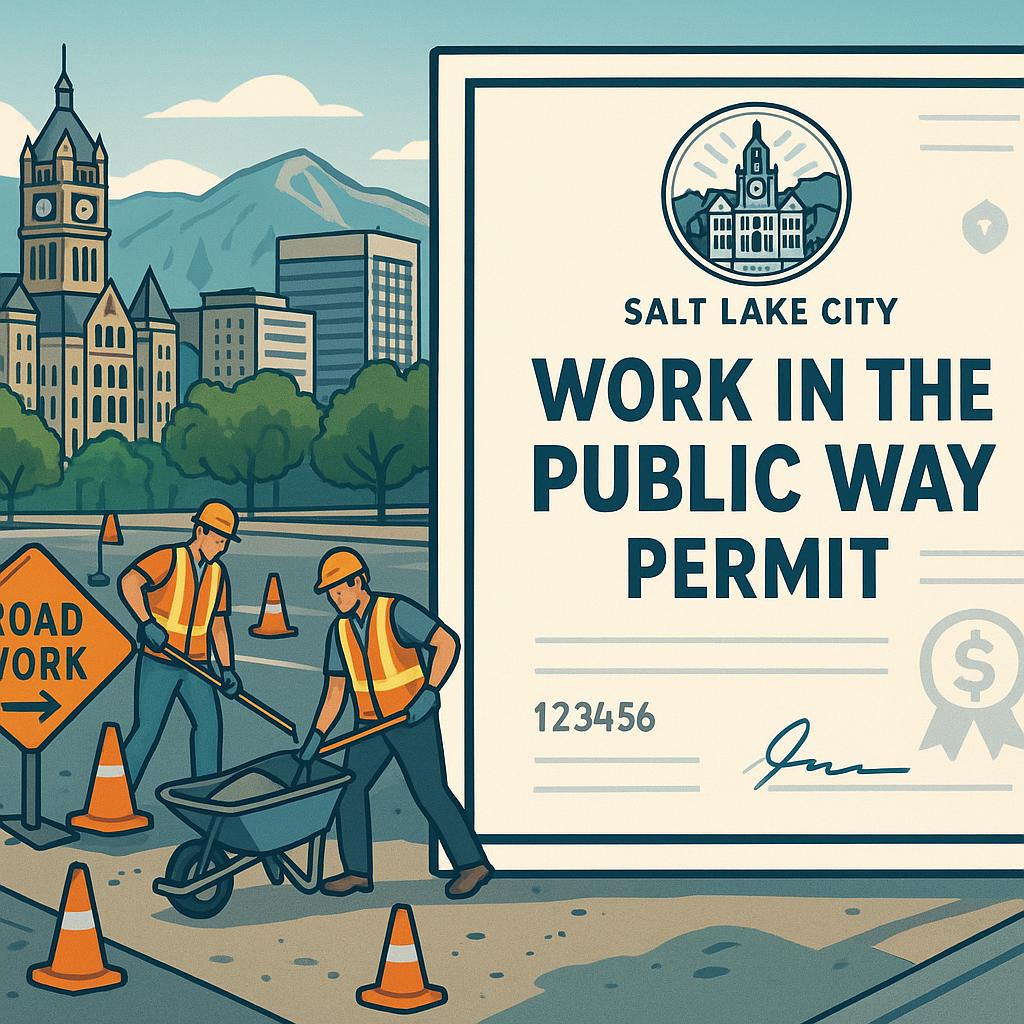
bookmark_borderUnderstanding Public Way Permit Bonds in Salt Lake City

Picture this: you are a contractor in Salt Lake City, and you just landed a job to install a new water line under a public sidewalk. Before you can break ground, the city hands you a list of requirements. One of those items is a Work in the Public Way Permit Performance Bond. If that sounds like a mouthful, do not worry. It is really just a financial promise that you will do the work correctly and restore any public space you disturb.

What Is a Work in the Public Way Permit Performance Bond?

A Work in the Public Way Permit Performance Bond is a type of surety bond required by Salt Lake City Corporation for certain projects that affect public property. Public property can include streets, sidewalks, curbs, gutters, alleys, park strips, and utility rights-of-way. The bond gives the city a financial guarantee that the contractor will follow the rules, complete the job properly, and repair any damage to public spaces.

Think of it like a security deposit. If you rent an apartment, the landlord holds a deposit in case you leave the unit damaged. This bond works in a similar way, but for city infrastructure. If a contractor cuts open a street and does not restore it correctly, the bond can help pay for the city to fix the problem.

Why Does Salt Lake City Require This Bond?

Salt Lake City Corporation wants to protect public spaces and taxpayer dollars. Roads, sidewalks, and utility lines belong to the community. When a contractor digs into a public right-of-way, there is always a risk of damage. A poorly patched trench, a cracked curb, or an unsafe walkway can create hazards for residents and cost the city money to repair.

The bond shifts that risk away from the public. It gives the city a clear path to recover funds if a contractor fails to meet permit requirements. In short, it keeps contractors accountable and helps ensure that public spaces remain safe and functional after construction work.

Common Projects That May Need the Bond

Not every small job requires a Salt Lake City public way permit bond, but many projects that touch public land do. You may need one if you are working on:

  • Installing or repairing water, sewer, gas, or fiber optic lines
  • Replacing a driveway approach that crosses a public sidewalk
  • Building or repairing sidewalks, curbs, and gutters
  • Excavating in a public right-of-way
  • Landscaping in a park strip or city-owned easement
  • Installing traffic signals, streetlights, or signage

If you are not sure whether your project needs this bond, it is always best to check with the Salt Lake City permit office before starting work. Starting without the proper permit and bond can lead to stop-work orders, fines, and project delays.

How the Bond Works in Real Life

There are three parties involved in a surety bond:

  • Principal: the contractor or business performing the work
  • Obligee: Salt Lake City Corporation, the entity requiring the bond
  • Surety: the bond company that backs the guarantee

Let us say you are a contractor installing a new sewer line under a public street. You obtain the required Work in the Public Way Permit Performance Bond and begin the project. If you complete the work, backfill the trench properly, and restore the pavement to the city’s standards, the bond becomes inactive once the city accepts the work.

But what if you leave the street with a sunken patch or fail to finish the restoration? The city can file a claim against your bond. The surety company will investigate the claim. If the claim is valid, the surety may pay the city up to the bond amount to cover repairs. After that, you are responsible for reimbursing the surety. This is why a bond is not the same as insurance for you. It protects the city, not the contractor.

How Much Does the Bond Cost?

The cost of a Work in the Public Way Permit Performance Bond depends on several factors. The first factor is the bond amount required by Salt Lake City Corporation. This amount can vary from project to project. A small sidewalk repair might require a $5,000 bond, while a larger utility installation could require $25,000, $50,000, or more.

You do not pay the full bond amount upfront. Instead, you pay a premium, which is a small percentage of the total bond. For contractors with good credit, that premium often ranges from 1% to 5% of the bond amount. For example, a $10,000 bond might cost between $100 and $500 per year. Contractors with lower credit scores or challenged financials may pay a higher percentage.

Factors That Affect Your Bond Premium

  • Personal or business credit score
  • Financial stability of your business
  • Total bond amount required by the city
  • Length of time the bond must stay active
  • Your experience and track record on similar projects

The good news is that many bond agencies can provide a fast quote. If you have solid credit, the process can be quick and inexpensive. If your credit is less than perfect, specialized surety agencies may still be able to help, though the cost may be higher.

Steps to Get a Salt Lake City Public Way Permit Bond

Getting this bond does not have to be complicated. Here is a simple step-by-step process:

  • Determine your bond requirements: Contact Salt Lake City Corporation or the right-of-way permit office to confirm the exact bond amount and form the city requires.
  • Work with a surety bond agency: Choose a licensed surety company or bond agency that is familiar with Salt Lake City permit bonds.
  • Submit an application: You may need to provide basic information about your business, the project, and your financial background.
  • Receive your quote: The agency will give you a premium amount based on the bond size and your qualifications.
  • Pay the premium: Once you pay, the surety issues the bond.
  • File the bond with the city: Deliver the bond to the appropriate Salt Lake City department before beginning work.

Keep your bond active for as long as the city requires. Some bonds need to remain in force until the project passes final inspection. Others may need to cover a maintenance period after completion.

Bond vs. Insurance: What Is the Difference?

This is a common point of confusion. Insurance protects you and your business from unexpected losses, like damage to your equipment or injuries on the job site. A surety bond, on the other hand, protects the city and the public. If a claim is paid on your bond, you must repay the surety company. Insurance claims are generally not repaid in the same way.

Think of insurance as a safety net for you. Think of the bond as a promise to the city that you will keep your word and follow the permit rules. Both can be important, but they serve very different purposes.

Common Mistakes to Avoid

Even experienced contractors can run into trouble with public way permit bonds. Here are a few mistakes to watch out for:

  • Starting work before securing the bond: This can lead to permit violations, fines, and project shutdowns.
  • Getting the wrong bond amount: Always confirm the exact amount with Salt Lake City Corporation before purchasing.
  • Letting the bond lapse: If the bond expires before the city accepts the work, you may face delays or penalties.
  • Assuming general liability insurance covers the bond requirement: It usually does not. The city specifically wants a permit performance bond.
  • Ignoring restoration standards: Poor pavement patching or incomplete sidewalk repair can trigger a bond claim and harm your reputation.

Avoiding these mistakes can save you time, money, and stress. The key is to understand the requirements early and stay in communication with the city.

Frequently Asked Questions About Public Way Permit Bonds

Do all contractors need this bond?

Not every contractor, but if your work touches a public street, sidewalk, curb, gutter, alley, or utility right-of-way in Salt Lake City, you probably need one. Check with the permit office before starting any excavation or construction.

How long does the bond need to stay active?

Typically, the bond must stay active until Salt Lake City Corporation inspects and accepts the completed work. Some projects may also require the bond to remain in place for a maintenance period after completion.

Can I get a bond with bad credit?

Yes, but you may pay a higher premium. Surety companies view credit as a sign of financial responsibility. If your credit has some bumps, a specialized surety agency can often find a solution, though the cost may be higher than a standard rate.

What happens if a claim is filed against my bond?

The surety company will investigate the claim. If the claim is valid, the surety may pay the city up to the bond amount. You will then be responsible for reimbursing the surety for the amount paid out, plus any legal or administrative costs.

Final Thoughts

Understanding the Work in the Public Way Permit Performance Bond in Salt Lake City is an important step for any contractor working in public spaces. It protects the community, keeps public infrastructure safe, and holds contractors to a high standard. While the name may sound complicated, the concept is simple: do the job right, restore what you disturb, and honor your permit requirements.

If you have a project coming up that involves a public right-of-way, do not wait until the last minute. Confirm the bond amount with Salt Lake City Corporation, talk with a trusted surety agency, and get your bond in place before you start. A little preparation now can save you from big headaches later.

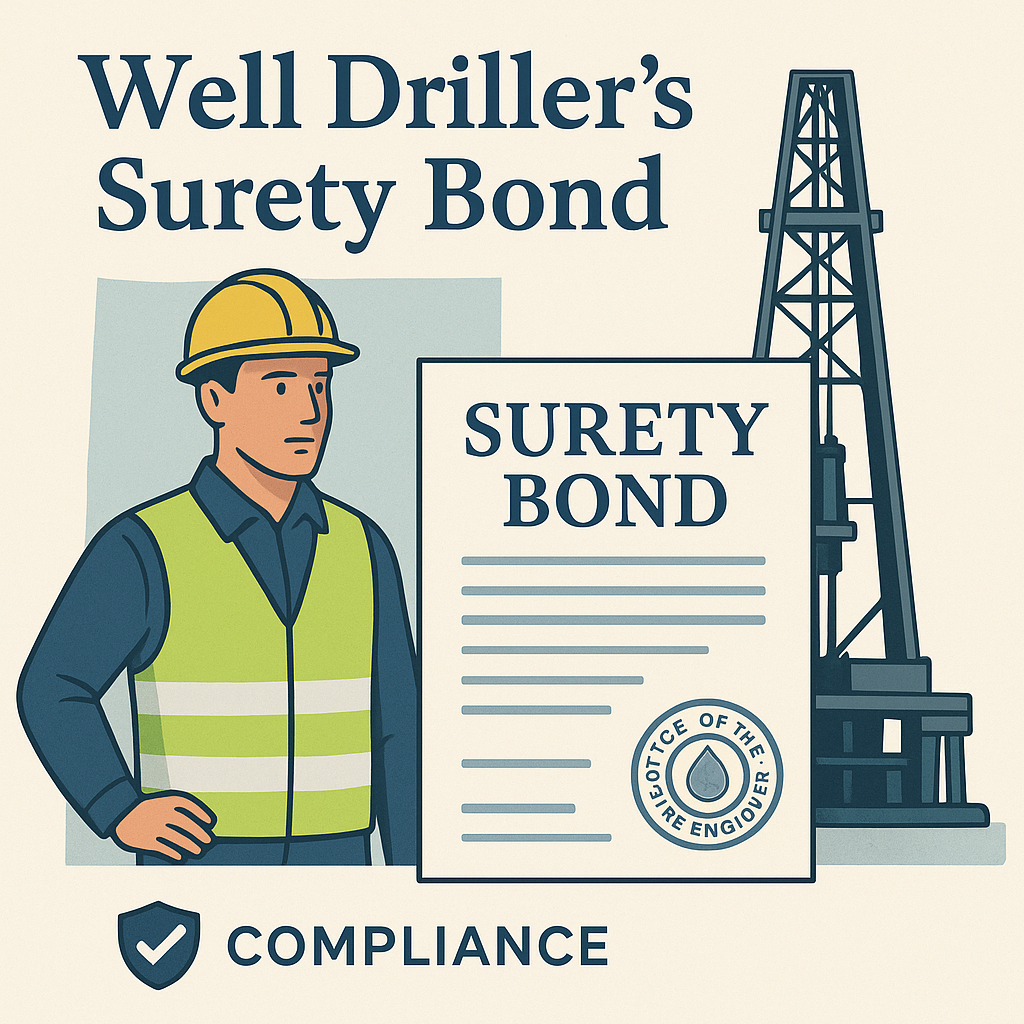
bookmark_borderUnderstanding the Importance of Well Driller’s Surety Bond in Utah

If you work in well drilling in Utah—or plan to hire a well contractor—you may have come across the term well driller’s surety bond. At first glance, it might look like just another licensing requirement. But it actually plays a big role in keeping Utah’s water wells safe, legal, and properly constructed.

The Office of the State Engineer Utah oversees well drilling in the state. As part of that oversight, many well contractors need to obtain and maintain a surety bond. This bond serves as a promise to follow state rules and protect the public if something goes wrong.

Let’s break down what a well driller’s surety bond is, why it matters, who needs one, and how you can get bonded without stress.

What Is a Well Driller’s Surety Bond?

A surety bond is a three-party agreement. It involves the well driller, the state, and a surety company. In plain language, it is a financial guarantee that the driller will obey Utah’s laws, regulations, and licensing rules.

Here are the three parties in the bond:

  • Principal: The well driller or well contractor who needs the bond.
  • Obligee: The Office of the State Engineer Utah, which requires the bond.
  • Surety: The company that backs the bond financially if a valid claim is made.

Think of the bond like having a responsible co-signer. The surety company says, “We believe this contractor will follow the rules. If they don’t, we will cover a valid financial loss up to the bond amount.” But the contractor remains responsible for paying the surety back.

Why Does Utah Require This Bond?

Well drilling is serious work. A poorly constructed well can contaminate groundwater, damage property, or create safety hazards. Because water is such a vital resource, the state of Utah wants to make sure well contractors operate carefully and lawfully.

The well driller’s surety bond is not just a formality. It gives the state and the public a way to recover money if a contractor violates the rules. It also encourages contractors to do the job correctly the first time.

For example, imagine a drilling contractor abandons a job halfway through, leaving a property owner with an open, unsafe well. If the contractor broke state regulations, a claim can be filed against the bond. Without the bond, the property owner might have to pay for repairs out of pocket and chase the contractor through court.

Who Needs a Well Driller’s Surety Bond in Utah?

In Utah, licensed well drillers and well contractors often need a surety bond as part of their compliance requirements. The exact bond amount and form depend on the type of license or work being performed. The bond is commonly required before a license is issued or renewed.

Some Utah well contractor bonds are known as compliance-only bonds. This means the bond focuses on following state laws and regulations. It does not act as a warranty for the finished well or guarantee the quality of the workmanship. Instead, it protects against things like failing to meet state construction standards, not completing required reports, or operating without proper authorization.

If you’re not sure whether you need a bond, the best move is to check directly with the Office of the State Engineer Utah. They can tell you the exact bond amount and form required for your specific license type.

How Does the Bond Work in Real Life?

Here’s a simple way to understand the bond process.

Suppose a homeowner hires a licensed Utah well driller. The driller starts the project but fails to follow state well construction standards. The homeowner files a complaint with the state. If the state finds a violation, a claim can be made against the driller’s surety bond.

The surety company then investigates the claim. If the claim is valid, the surety may pay the harmed party up to the bond’s full amount. But remember—this is not free money for the contractor. The driller is legally required to repay the surety for any claim paid out. In this way, the bond acts like a line of credit, not insurance.

This repayment responsibility is one reason why contractors take the bond seriously. A claim can hurt their business finances and make it harder to get bonded in the future.

What Does a Well Driller’s Surety Bond Cost?

You don’t need to pay the full bond amount upfront. Instead, you pay a small percentage called the premium. For most contractors with good credit, the premium is typically between 1% and 5% of the bond amount.

For example, if the state requires a $10,000 bond, your premium might be somewhere around $100 to $500 per year. The exact cost depends on your credit score, business financial history, and the bond amount required.

The good news is that many surety companies offer quick quotes. Even if your credit isn’t perfect, you can often get bonded, though the premium may be higher.

How to Get a Utah Well Driller’s Surety Bond

Getting bonded is usually a straightforward process. Here are the basic steps:

  • Confirm your bond amount: Contact the Office of the State Engineer Utah or check your licensing paperwork to find the exact bond amount and form required.
  • Gather your information: You’ll typically need your business name, license information, and basic financial details.
  • Request a quote: Reach out to a surety bond agency that handles Utah well driller bonds. You can often get a quote online or by phone.
  • Pay the premium: Once you accept the quote, pay the premium to activate the bond.
  • File the bond: Send the completed bond form to the Office of the State Engineer Utah as part of your licensing or renewal process.

Many contractors can get bonded the same day or within a couple of business days. The key is making sure you have the correct bond form and amount from the state.

Keeping Your Bond and Compliance in Good Standing

Once you have your Utah well driller’s surety bond, your job isn’t over. You need to keep the bond active for as long as your license requires it. Most bonds run on an annual renewal cycle. If you let the bond lapse, your license could be suspended or revoked.

Here are a few tips to stay in good standing:

  • Mark your bond renewal date on your calendar.
  • Pay your premium on time each year.
  • Notify your surety company if your business information changes.
  • Follow all state well drilling regulations and complete required paperwork.
  • Address any complaints or disputes quickly before they become claims.

Maintaining a clean record not only helps you avoid claims, but it can also keep your future bond premiums lower.

Is a Surety Bond the Same as Insurance?

This is one of the most common questions contractors ask. The answer is no. A surety bond is not insurance for the contractor. Insurance protects the policyholder from unexpected losses. A bond protects the public and the state.

If a claim is paid on your bond, you must repay the surety company. With insurance, you generally don’t repay the insurance company after a covered claim. This difference makes bonds a powerful accountability tool.

Think of it this way: insurance is a safety net for your own business. A surety bond is a safety net for the people who rely on you to follow the rules.

Why This Bond Matters for Everyone

Utah’s groundwater is a shared resource. Whether you’re a drilling contractor, a homeowner, or a farmer, clean and safe water matters. The well driller’s surety bond helps protect that resource by holding contractors accountable.

For contractors, the bond demonstrates that you take your legal obligations seriously. It can also build trust with customers. When a homeowner sees that you are licensed and bonded, they feel more confident hiring you.

For property owners, the bond offers a layer of financial protection if something goes wrong. It is not a substitute for doing your homework before hiring a contractor, but it provides a clear path to seek compensation for valid claims.

Final Thoughts

The well driller’s surety bond in Utah may seem like a small piece of paper, but it carries big responsibility. It connects contractors, the state, and the public in a shared commitment to safe, lawful well drilling.

If you need a bond, start by contacting the Office of the State Engineer Utah to confirm your requirements. Then work with a reputable surety bond provider to get a quote and file your bond correctly. Whether you’re a seasoned driller or just starting out, staying bonded and compliant helps you build a stronger, more trustworthy business in Utah.

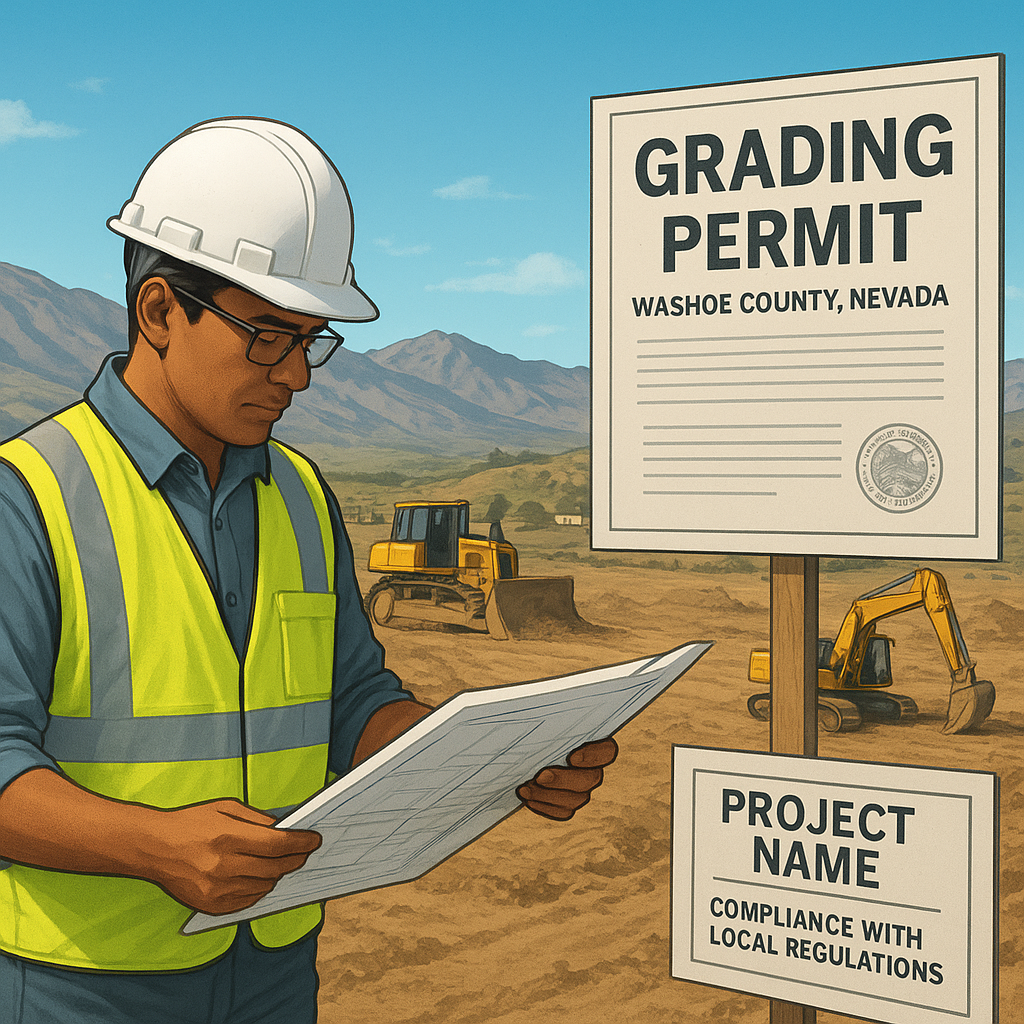
bookmark_borderUnderstanding Grading Permit Compliance for Washoe County Contractors

If you are getting ready to move dirt in Washoe County, Nevada, you have probably heard about something called a grading permit bond. It might sound like just another layer of red tape, but it is actually a straightforward requirement that protects everyone involved. The good news is that once you understand what this bond is, why it matters, and how to get one, the process becomes a lot less intimidating.

In this guide, we will walk through the basics of the County of Washoe NV grading permit bond. We will cover what it is, who needs it, how much it costs, and how to avoid common mistakes. By the end, you will have a clear picture of what is required for grading contractor compliance in Washoe County.

What Is a Washoe County Grading Permit Bond?

A grading permit bond is a type of surety bond that Washoe County may require before you begin certain earth-moving or grading work. Think of it as a financial promise. When you purchase the bond, you are promising that your grading work will comply with the county’s rules, permits, and approved plans.

Three parties are involved in a surety bond:

  • The principal: This is you, the grading contractor or permit holder.
  • The obligee: This is Washoe County, the government entity requiring the bond.
  • The surety: This is the bond company that backs your promise financially.

If you fail to follow the grading permit conditions, the county can make a claim against the bond. That claim is not a punishment on its own. Instead, it gives the county a way to cover the cost of fixing problems caused by noncompliance, such as erosion, drainage issues, or unsafe slopes.

Why Does Washoe County Require This Bond?

Grading work may seem simple from the outside, but it can create big problems when done incorrectly. Improper grading can lead to water runoff that floods neighboring properties, damages roads, or causes soil erosion. In hilly or uneven areas, bad grading can even increase the risk of landslides.

Washoe County requires a grading permit bond to protect the public and the environment. It is similar to a security deposit on a rental home. The owner hopes you will leave the home in good shape, but the deposit provides a safety net if something goes wrong. In the same way, this bond gives the county a financial safety net if a grading project does not meet local standards.

Contractor Compliance Only

You may notice that the bond is often listed as a “Grading Contractor – Compliance Only” bond. This wording is important. It means the bond focuses specifically on compliance with the grading permit and county regulations. It is not a general insurance policy, and it is not a contract performance bond.

For example, if you damage a client’s landscaping during a project, this bond is not designed to cover that. But if you fail to follow the approved grading plan and the county has to step in to correct erosion control problems, the bond can be used to pay for those corrections. In short, the bond is there to make sure the work meets Washoe County’s grading rules.

Who Needs a Grading Permit Bond in Washoe County?

Generally, any grading contractor who is required to obtain a grading permit in Washoe County may also need to post a bond. This includes contractors involved in:

  • Site preparation for new homes or commercial buildings
  • Driveway and private road construction
  • Large cut and fill operations
  • Drainage improvements
  • Slope stabilization and retaining wall prep
  • Land clearing that involves significant soil movement

If you are unsure whether your project requires a bond, the best step is to contact the Washoe County permitting office. They can tell you whether a grading permit is needed and what bond amount will apply. The bond amount often depends on the size, scope, and potential impact of the project.

How Much Does the Bond Cost?

One of the most common questions contractors ask is about cost. The bond amount is different from the price you pay for the bond. For example, Washoe County might require a $25,000 grading permit bond, but you will not pay $25,000 out of pocket.

Instead, you pay a premium, which is a small percentage of the total bond amount. For many contractors with decent credit, the premium can range from about 1% to 5% of the bond amount. So a $25,000 bond might cost anywhere from $250 to $1,250 per year or per project term. Your actual rate depends on factors like your credit history, business experience, and the specific bond requirements set by Washoe County.

It is worth shopping around. Different surety bond providers may offer different rates, especially for smaller bonds. Even saving a small percentage can add up when you are managing multiple grading projects throughout the year.

How to Get Your Washoe County Grading Bond

Getting a grading permit bond is usually a fast and simple process. Here are the basic steps:

  • Confirm the required bond amount: Check with Washoe County to find out the exact bond amount for your project.
  • Choose a surety bond provider: Look for a provider that specializes in contractor bonds and understands Nevada requirements.
  • Complete a short application: You will typically provide basic information about your business, the project, and sometimes your personal credit history.
  • Receive a quote: Once the provider reviews your application, they will give you a premium price.
  • Pay the premium and receive your bond: After payment, the surety company issues the bond form you need to file with the county.

Many providers can issue bonds within the same business day, especially for smaller bond amounts. The key is to start the process early so your grading permit is not delayed.

Common Mistakes to Avoid

Even experienced contractors can sometimes overlook important details when dealing with grading permit bonds. Here are a few common mistakes and how to avoid them.

Mistaking the Bond for Insurance

A surety bond is not the same as insurance. Insurance protects you and your business from unexpected losses. A surety bond protects the county and the public. You are still ultimately responsible for paying back the surety if a valid claim is paid out. Understanding this difference can help you avoid surprises later.

Waiting Until the Last Minute

Permitting delays can stall your entire project. It is smart to arrange your grading permit bond as soon as you know the required amount. This gives you time to compare quotes and resolve any application issues.

Confusing It with Other Bonds

Grading contractors often need several types of bonds or insurance. A contractor license bond is different from a grading permit bond. The license bond covers your work as a licensed contractor, while the grading permit bond is tied to a specific permit and project. Make sure you are getting the right bond for the right requirement.

Ignoring Permit Conditions

Once you have the bond, the most important thing you can do is follow the approved grading plans and county regulations. A bond claim can cost you time, money, and reputation. Compliance from day one is the best way to keep your bond clean and your project moving forward.

Grading Permit Compliance in Washoe County

Washoe County is home to a diverse landscape, from the high desert around Reno and Sparks to the mountain areas near Lake Tahoe. Grading projects in these regions often require careful attention to drainage, erosion control, and slope stability. The county’s bond requirement is one part of a larger effort to keep development safe and sustainable.

When you approach your project with a strong understanding of the Nevada grading permit process, you set yourself up for a smoother experience. The bond is not intended to be a hurdle. It is a tool that helps ensure contractors and the county are on the same page about how the land should be shaped and protected.

Final Thoughts

The Washoe County grading permit bond may feel like an extra step, but it plays a valuable role in protecting the community. For grading contractors, understanding the bond is an important part of staying compliant and building a trustworthy reputation.

If you have a project coming up in Washoe County, reach out to the local permitting office to confirm your requirements. Then work with a knowledgeable surety bond provider to secure your bond quickly. With the right preparation, you can focus on what you do best: moving dirt safely, efficiently, and in full compliance with county standards.

bookmark_borderAlbuquerque Launches New Compliance Program for Sidewalk and Driveway Contractors

If you own a home or manage property in Albuquerque, you have likely heard about the growing focus on sidewalk and driveway maintenance. The City of Albuquerque has introduced a clearer compliance path for contractors who work on residential sidewalks and drive-pads. At the center of this shift is the Homeowner’s Sidewalk & Drive-pad Bond, often called a compliance bond.

But what does that really mean for you? Do you need to take action, or is this something your contractor handles? Let’s break it down in plain, everyday language.

What Is the Homeowner’s Sidewalk & Drive-pad Bond?

Think of a bond as a financial safety net. It is not the same as insurance, although people often confuse the two. A bond is a promise that a contractor will follow local rules, finish the job correctly, and stand behind their work for a set period.

In Albuquerque, the Homeowner’s Sidewalk & Drive-pad Bond is specifically designed for residential projects involving sidewalks and driveway pads. It applies to contractors performing work that must meet city codes. The bond is compliance only, which means it exists to ensure the contractor follows the required standards rather than to cover general business losses.

If a contractor fails to meet those standards, a claim can be made against the bond to help correct the issue. That protection gives homeowners peace of mind before the first shovel hits the ground.

Why Albuquerque Is Paying Attention to Sidewalks and Drive-pads

Sidewalks and driveways might not seem exciting, but they play a huge role in neighborhood safety and accessibility. In Albuquerque, cracked or uneven sidewalks can create trip hazards. Poorly poured driveway pads can lead to drainage problems, water pooling, and long-term damage to nearby foundations or roadways.

By introducing a compliance program focused on these specific areas, the city is making it clear that residential work must meet a consistent standard. For homeowners, that means fewer surprises. For contractors, it means a more predictable set of rules to follow.

You can compare it to a recipe. The bond does not change the ingredients, but it makes sure every chef in the kitchen follows the same safety steps. The result is a better meal—or in this case, a safer, longer-lasting sidewalk or driveway.

Who Needs This Bond?

If you are a contractor performing sidewalk or driveway pad work on residential property in Albuquerque, this bond applies to you. It is not something homeowners typically purchase on their own. Instead, your contractor should secure it before starting the job.

If you are a homeowner planning a project, do not be shy about asking your contractor whether they carry the proper compliance bond. A qualified, professional contractor will be able to show proof without hesitation.

Here is a quick list of who should pay attention:

  • Sidewalk contractors doing new installations or repairs.
  • Driveway contractors working on concrete pads, asphalt driveways, or replacement projects.
  • General contractors whose scope includes exterior concrete work.
  • Homeowners who want to verify their contractor is compliant.

How the Bond Protects Albuquerque Homeowners

Imagine hiring someone to pour a new driveway. The quote looks great, and the crew arrives on time. But a few weeks later, the concrete begins to crack in ways that are clearly not normal settling. Maybe the slope is wrong, and rainwater now runs toward your garage instead of away from it.

Without a compliance bond, you might be stuck fighting for repairs or paying out of pocket. With a bond, there is a defined process to seek a remedy. That does not mean every minor issue leads to a claim, but it does mean there is a system in place when something goes seriously wrong.

The bond also helps keep the playing field fair. Contractors who follow the rules are not undercut by those who skip important steps. Over time, that raises the quality of work across the entire city.

What “Compliance Only” Actually Means

The phrase compliance only can sound a little technical. In simple terms, it means the bond is tied directly to following city codes and regulations. It is not a general performance guarantee for every possible problem, and it is not a substitute for a contractor’s liability insurance.

Think of it like a driver’s license. A license shows you know the rules of the road and are allowed to drive. It does not cover the cost of an accident—that is what insurance is for. Similarly, the compliance bond shows the contractor is authorized and expected to follow Albuquerque’s sidewalk and driveway standards.

How Contractors Can Meet the Requirement

For contractors, getting compliant does not have to be complicated. The goal is to protect your business and your customers. Here are the typical steps involved:

  • Review the current city requirements for residential sidewalk and driveway pad work.
  • Confirm the bond amount needed for your project scope.
  • Work with a licensed surety provider to obtain the bond.
  • Keep proof of the bond on file and ready to share with clients.
  • Renew or update the bond as required to stay compliant.

Many contractors find that securing this bond is a one-time administrative step that saves major headaches later. It also gives them a marketing advantage. Homeowners feel more comfortable hiring a contractor who can show they meet the city’s standards.

What Homeowners Should Ask Before Hiring a Contractor

If you are planning a sidewalk or driveway project in Albuquerque, a little homework can go a long way. You do not need to become an expert in bonds, but you should ask a few simple questions before signing a contract.

Consider asking:

  • Are you licensed to work in Albuquerque?
  • Do you carry the required Homeowner’s Sidewalk & Drive-pad Bond?
  • Can you show proof of compliance?
  • What does your warranty cover after the work is complete?
  • How do you handle changes if city inspections require adjustments?

A trustworthy contractor will appreciate these questions. If someone brushes them off or cannot provide proof, that is a red flag worth taking seriously.

Common Misunderstandings About the Bond

Is the bond the same as insurance?

No. Insurance protects the contractor from accidents, injuries, or unexpected property damage. A bond protects the homeowner and the city by ensuring compliance with specific rules.

Do I need to buy the bond as a homeowner?

No. The contractor is responsible for securing the bond. Your job is to verify it exists before work begins.

Does the bond mean the work is guaranteed forever?

Not exactly. The bond covers compliance issues, but normal wear and tear or future weather damage are separate matters. Always ask about the contractor’s workmanship warranty as well.

What happens if a claim is filed?

If a contractor violates city requirements, a claim can be filed. The surety company investigates, and if the claim is valid, funds may be used to correct the problem. The contractor is then responsible for repaying the surety.

How This Program Benefits the Wider Albuquerque Community

When sidewalks and driveways are built correctly, everyone benefits. Safe walkways mean fewer injuries. Proper drainage reduces strain on public infrastructure. Well-built driveways add curb appeal and property value.

The compliance bond also encourages accountability. Contractors know there is a system watching their work. Homeowners know there is a way to address problems if standards are not met. It creates a partnership between the city, the contractor, and the resident.

Over time, these small improvements add up. Neighborhoods look better, feel safer, and hold their value more effectively. That is good news whether you plan to stay in your home for decades or sell in a few years.

Final Thoughts on Albuquerque’s Sidewalk & Drive-pad Compliance

The City of Albuquerque, New Mexico is taking a practical step to improve residential construction standards. By requiring a Homeowner’s Sidewalk & Drive-pad Bond for sidewalk and driveway contractors, the city is adding a layer of protection for homeowners and encouraging better work across the board.

If you are a contractor, make sure you understand the requirement and keep your compliance current. If you are a homeowner, do not hesitate to ask for proof of bonding before your project begins. It is a simple conversation that can save you time, money, and stress.

Whether you are repairing a small stretch of sidewalk or pouring a brand-new driveway pad, the rules are designed to keep things smooth, safe, and built to last. And that is a win for everyone who calls Albuquerque home.

bookmark_borderBernalillo County Sidewalk and Driveway Contractor Compliance Requirements Explained

Working as a sidewalk, driveway, or curb contractor in Bernalillo County comes with a fair share of paperwork. If you have been asked to secure a Contractor’s Sidewalk, Drive-Pad, Curb & Gutter Bond, you might be wondering what it is, why it matters, and how it affects your day-to-day work. The good news is that this requirement is easier to understand than it sounds once you break it down.

In this guide, we will explain what the bond is, who needs it, how it works, and what you can do to stay compliant without unnecessary stress.

What Is a Sidewalk, Drive-Pad, Curb and Gutter Bond?

A sidewalk, drive-pad, curb and gutter bond is a type of surety bond required by Bernalillo County for contractors performing certain concrete work. In plain terms, it is a financial promise that you will follow the county’s rules and complete your work according to approved standards.

Think of it like a security deposit for a rental property. The county wants to know that if something goes wrong, there is a way to cover the cost of fixing it. The bond does not act like regular insurance for your business. Instead, it protects the county and the public by ensuring you meet your obligations.

When you purchase this bond, a surety company backs your promise. If you fail to meet the county’s requirements, a claim can be filed, and the surety may pay out. However, you are ultimately responsible for repaying any valid claim amount.

Compliance-Only Bond: What Does That Mean?

You may notice the phrase “Compliance Only” attached to this bond. That is an important distinction. A compliance-only bond does not replace your contractor license or permit. It simply guarantees that the work you perform will comply with county codes, project specifications, and safety requirements.

This is different from a license and permit bond, which often covers broader legal obligations. The County of Bernalillo uses this specific bond to make sure sidewalk, driveway, curb, and gutter work is done the right way the first time.

Who Needs This Bond in Bernalillo County?

If you are a contractor working on sidewalks, driveway approaches, drive pads, curbs, or gutters within Bernalillo County, there is a strong chance you need this bond. The requirement applies to projects that involve public right-of-way areas, county-regulated properties, or work that connects private property to public streets.

This typically includes:

  • Concrete contractors installing sidewalks.
  • Driveway and paving contractors building or repairing drive pads.
  • Curb and gutter specialists working in residential or commercial areas.
  • General contractors who oversee concrete work performed by subcontractors.

If you are unsure whether your specific job triggers the requirement, it is always best to contact Bernalillo County directly. Requirements can vary based on the scope of work, location, and whether the project falls within county jurisdiction.

How Does the Bond Work?

Every surety bond involves three parties. Understanding this triangle makes the entire process much easier to follow.

The principal is you, the contractor. The obligee is Bernalillo County, which requires the bond. The surety is the company that provides the financial backing for the bond.

When you sign the bond agreement, you agree to complete your sidewalk, drive-pad, curb, or gutter work according to county requirements. If you do, the bond simply stays in place and nothing happens. If you do not, the county can file a claim against the bond to recover financial losses.

After a claim is paid, the surety will seek reimbursement from you. That is the biggest difference between a bond and insurance. Insurance may absorb a loss, but a surety bond is more like a line of credit that you must repay.

What Can Trigger a Claim?

No contractor wants a claim on their bond. Avoiding one starts with understanding what can go wrong. Common reasons for claims include:

  • Work that does not meet county codes or specifications.
  • Abandoning a project before completion.
  • Failure to obtain required inspections.
  • Damage to public property during construction.
  • Poor workmanship that requires costly repairs.

By staying organized, communicating clearly with inspectors, and following approved plans, you greatly reduce your risk of a bond claim.

How Much Does the Bond Cost?

One of the first questions contractors ask is about cost. The answer depends on the required bond amount set by Bernalillo County and your personal credit history.

The bond amount is not the same as the price you pay. For example, if the county requires a $10,000 bond, you do not pay $10,000 upfront. Instead, you pay a small percentage of that amount as a premium. Many contractors pay somewhere between 1% and 5% of the total bond amount each year, depending on their financial profile.

So, if your bond amount is $10,000 and your premium rate is 2%, you would pay about $200 for the bond term. That is often a very manageable cost for the protection and compliance it provides.

How to Get Bonded in Bernalillo County

Securing your sidewalk, drive-pad, curb and gutter bond is usually a straightforward process. Start by confirming the exact bond amount and form required by the county. This is critical because filing the wrong form can delay your project.

Next, reach out to a surety bond agency that is familiar with New Mexico contractor bonds. You will fill out a short application and provide basic information about your business and your financial history. The surety company will then give you a quote.

Once you pay the premium, the surety will issue the bond. You will need to file it with Bernalillo County as part of your contractor compliance package. Keep a copy for your records and track the expiration date so you can renew on time.

Compliance Requirements Beyond the Bond

The bond is an important piece of the puzzle, but it is not the only requirement. Bernalillo County may also require contractors to hold a valid business registration, maintain proper insurance coverage, and pull the necessary permits before starting work.

Depending on the project, you may need to meet additional standards for traffic control, erosion control, or accessibility under the Americans with Disabilities Act. Sidewalks, curbs, and driveway pads often fall under strict public safety guidelines, so reviewing the local requirements carefully is a smart move.

When your bond, license, insurance, and permits are all in place, you can focus on what you do best: delivering quality concrete work for your clients.

Common Mistakes to Avoid

Even experienced contractors can stumble when it comes to bonding and compliance. Here are a few pitfalls to watch for:

  • Confusing a bond with insurance: Remember, a bond protects the county, not your business assets.
  • Filing the wrong bond form: Always verify the exact bond name and requirements with Bernalillo County.
  • Letting the bond lapse: An expired bond can halt your project and hurt your reputation.
  • Assuming all projects are the same: Bond amounts and requirements may vary by location and scope.
  • Forgetting to update your information: Keep your business details current with both the county and your surety company.

Why This Bond Matters for Your Business

At first glance, the Sidewalk, Drive-Pad, Curb & Gutter Bond might feel like just another hoop to jump through. But it actually serves a valuable purpose. It shows clients and county officials that you are a responsible contractor who takes compliance seriously.

Having the right bond can make it easier to win contracts, pass inspections, and build trust in the community. It signals that you are prepared to do the job correctly and stand behind your work. In a competitive market, that can be a real advantage.

Final Thoughts

Navigating contractor compliance in Bernalillo County does not have to be overwhelming. By understanding the purpose of the Contractor’s Sidewalk, Drive-Pad, Curb & Gutter Bond, you can approach the requirement with confidence. Confirm the bond amount, work with a trusted surety provider, file the correct form, and keep your coverage current.

When you take care of the compliance side of your business, you free up more time and energy for the work itself. And that is what matters most to your clients, your crews, and your bottom line.

bookmark_borderTucson Arizona Auction House Bond Requirements for 2023 Explained

Opening an auction business in Tucson is an exciting move. The energy of a live auction, the thrill of a great bid, and the joy of connecting buyers with unique items can make it a rewarding career. But before you pick up the gavel, you’ll likely need to satisfy local licensing rules. One of those rules is obtaining a City of Tucson AZ auction house and/or auctioneer’s bond.

This guide walks you through the basics so you can understand what the bond is, why it matters, and how to get one without unnecessary stress.

What Is an Auction House or Auctioneer Bond?

At its simplest, a Tucson Arizona auction house bond is a type of surety bond. Think of it like a security deposit backed by an insurance company. You promise to follow the city’s rules for running auctions. The bond gives the public and the city a financial safety net if something goes wrong.

A bond involves three parties:

  • Obligee: The City of Tucson, which requires the bond to protect the public.
  • Principal: You, the auction house or auctioneer who must obtain the bond.
  • Surety: The bonding company that provides the financial backing.

Even though people often call it a bond, it is not the same as insurance. With insurance, you pay a premium and the insurance company covers losses. With a bond, the surety may pay a claim, but you are ultimately responsible for repaying that amount. It is more like a cosigner on a loan.

Why Does the City of Tucson Require This Bond?

The City of Tucson Arizona wants to make sure auction businesses operate fairly and honestly. Auctions often involve other people’s property, fast transactions, and large sums of money. That creates room for mistakes or, in rare cases, dishonest behavior. The auctioneer bond helps hold businesses accountable.

If an auction house fails to pay a consignor, mishandles funds, misrepresents items, or violates local auction laws, a claim can be filed against the bond. In other words, the bond is a way for the city to say, “We trust you enough to give you a license, but we also want a backup plan for consumers.”

This requirement builds trust. Buyers and sellers feel safer working with a bonded auctioneer because they know there is a financial remedy if something goes wrong.

Who Needs a Tucson Auctioneer Bond?

If you plan to run an auction house or work as an auctioneer within Tucson city limits, you may need to post this bond before your license is issued. The requirement often applies to:

  • Businesses that hold live auctions on a regular basis.
  • Individuals acting as professional auctioneers.
  • Auction houses that sell items on behalf of consignors.
  • Companies that run certain specialized auctions, such as auto, estate, or equipment auctions.

You might not need the bond if you are only hosting a one-time charity event or a private sale. But the best way to know for sure is to check with the City of Tucson licensing office. They can tell you whether your specific business model falls under the bonding requirement.

How Does the Bond Work in Real Life?

Let’s look at a practical example. Imagine you run a small auction house in Tucson. A consignor gives you a valuable painting to sell. You sell the painting at auction, but you fail to pay the consignor their share within the timeframe required by your contract. The consignor can file a complaint with the city or file a claim against your bond.

If the claim is valid, the surety company may pay the consignor up to the bond amount. After that, the surety will ask you to repay the money. If you do not repay, the surety can take legal action against you or your business assets. So the bond protects the public, but it also keeps you on the hook for your own actions.

2023 Bond Requirements: What to Expect

Bond requirements can change from year to year, so it is important to confirm the current rules for 2023. The exact bond amount for a City of Tucson Arizona auction house and/or auctioneer’s bond depends on the type of license you need and the volume of your auction activity.

Some cities set a flat minimum amount. Others base the required bond amount on estimated annual sales or the number of auctions you hold. In many cases, smaller auction businesses may need a bond in the range of $5,000 to $10,000, while larger auction houses might need a higher amount. Your surety bond provider can help you determine the correct amount based on the city’s instructions.

When you apply for your auction house license, the city will typically tell you exactly how much coverage you need. It is smart to ask for this information in writing so you can share it with your bond agent.

How Much Does the Bond Cost?

One of the most common questions is about cost. The good news is that you do not need to pay the full bond amount upfront. Instead, you pay a small percentage called a bond premium. This premium is usually between 1% and 5% of the total bond amount.

For example, if your required bond amount is $10,000, your annual premium might be as low as $100 to $500. The exact price depends on your personal credit, business history, and the surety company’s underwriting guidelines.

If you have strong credit, you will likely qualify for the lowest rates. If your credit is less than perfect, you may still get approved, but your premium could be higher. Some surety providers offer programs for people with challenged credit, so do not assume you cannot get bonded.

Steps to Get Your Tucson Auction House Bond

Getting a bond is usually faster than most people expect. Follow these steps to make the process smooth:

  • Confirm your license requirements: Contact the City of Tucson licensing department and ask about the exact bond amount and any required forms.
  • Gather your business information: You may need your business name, address, tax identification number, and ownership details.
  • Request a bond quote: Reach out to a surety bond agency that offers Tucson Arizona auctioneer bonds.
  • Complete the application: You will often need to provide basic personal and business information. For larger bonds, the surety may ask for financial statements.
  • Pay the premium: Once approved, pay the annual premium and receive your bond form.
  • File the bond with the city: Submit the original bond document to the City of Tucson as part of your license application.

What Happens After You Get the Bond?

Once your bond is filed and your license is issued, you are ready to operate. You will need to keep the bond active for as long as you hold your license. Most bonds renew annually. If you let your bond lapse, the city may suspend or revoke your auction license.

It is also important to follow all local auction laws and maintain clear records. A clean business record not only protects your bond but also helps you avoid claims and legal trouble.

Common Bond Questions

Can I get bonded with bad credit?

Yes, many bonding companies offer programs for business owners with less-than-perfect credit. You may pay a higher premium, but approval is often possible.

Does a state license require a separate bond?

Possibly. The City of Tucson may require a city bond, while the State of Arizona might have separate licensing or bonding rules. Always check both city and state requirements to avoid surprises.

Is the bond refundable?

No. The bond premium is a fee for the surety’s backing. It is not returned at the end of the year, just like a car insurance premium is not refunded if you do not have an accident.

What if a claim is filed against my bond?

If a claim is filed, the surety will investigate. If the claim is valid, the surety may pay the claimant and then seek reimbursement from you. To avoid claims, always communicate clearly with consignors, buyers, and the city.

Final Thoughts

The City of Tucson AZ auction house and/or auctioneer’s bond is an important part of getting licensed. It protects consumers, builds trust, and gives auction professionals a clear set of expectations. While it may feel like extra paperwork, the process is usually simple and affordable.

If you are ready to start your auction business in Tucson, begin by contacting the city to confirm your specific bond requirements for 2023. Then work with a reputable surety bond agency to get the right bond at the best rate. With the right preparation, you can spend less time worrying about paperwork and more time doing what you love—running successful auctions.

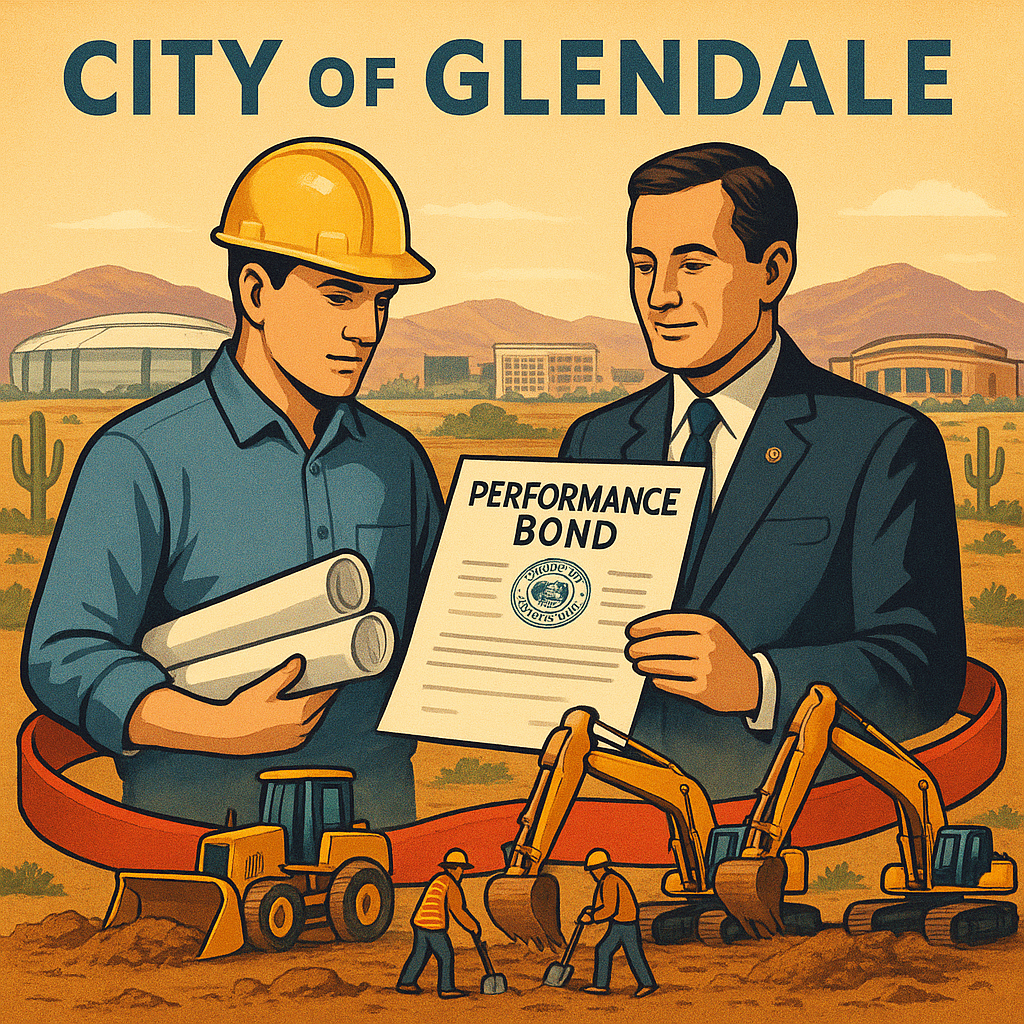
bookmark_borderPerformance Bonds for Glendale’s Clearing and Earthwork Contractors Explained

If you’re a contractor in Glendale, Arizona, and you take on clearing or earthwork projects, you’ve probably heard the term performance bond more than a few times. Maybe a city official mentioned it during a bid meeting, or you saw it listed in a contract checklist. It can sound like complicated paperwork, but at its heart, a performance bond is really just a promise—backed by money—that you’ll finish the job you agreed to do.

In this guide, we’ll break down everything you need to know about City of Glendale performance bonds, why they matter for clearing and earthwork contractors, and how you can get one without pulling your hair out.

What Is a Performance Bond?

Think of a performance bond like a safety net. If you hire a roofing company to replace your roof and they disappear halfway through the job, you’d want some way to recover your money or get the work finished. That’s essentially what a performance bond does—but on a much larger, municipal scale.

A performance bond is a type of surety bond that guarantees a contractor will complete a project according to the terms of the contract. If the contractor fails to deliver, the bond company steps in to either fix the problem or pay the project owner for the financial loss. For clearing and earthwork contractors in Glendale, this bond usually runs directly to the City of Glendale as the project owner or obligee.

In simple terms, the city wants assurance that taxpayer dollars aren’t wasted on half-finished land clearing, grading, or excavation work.

Why Glendale Requires Performance Bonds for Clearing and Earthwork

Glendale is growing. New developments, road expansions, utility installations, and public infrastructure projects all require significant land preparation. Clearing and earthwork are the first major steps. If those steps go wrong, everything else gets delayed.

The City of Glendale requires performance bonds to protect public interests. Here’s why:

Protecting the City’s Investment

When Glendale awards a contract for clearing or earthwork, they’re investing public funds. A performance bond ensures that if the contractor fails to finish, the city won’t be left holding an empty bag. The bond acts as a financial cushion, giving the city a way to recover losses and hire another contractor to complete the work.

Ensuring Contractors Finish the Job

Earthwork isn’t glamorous, but it’s essential. Poor grading can cause drainage issues. Improper clearing can lead to erosion or safety hazards. The city needs to know that the contractor who starts the job will also finish it—correctly. A City of Glendale performance bond gives officials confidence that the contractor has been vetted by a surety company and is financially capable of completing the project.

Promoting Fair and Responsible Bidding

Performance bonds also help level the playing field. Contractors who can secure bonding have passed a financial review. This discourages underqualified or undercapitalized bidders from promising more than they can deliver. For local contractors, it means competing against others who are equally serious and capable.

How a City of Glendale Performance Bond Works

Understanding the moving parts can make the process feel less intimidating. A performance bond involves three main parties.

The Three Parties Involved

  • The Obligee: This is the City of Glendale. They require the bond and receive protection under it.
  • The Principal: This is you, the clearing or earthwork contractor. You purchase the bond and promise to complete the work.
  • The Surety: This is the bond company. They back your promise financially if you default.

When the city approves your contract, they’ll typically ask for a performance bond before you can start moving dirt. The bond amount is often equal to the full contract value, though sometimes it’s a percentage.

What the Bond Covers

A Glendale performance bond covers more than just walking off the job. It can protect the city if you:

  • Fail to complete the project on schedule
  • Perform substandard work that doesn’t meet contract specifications
  • Fail to pay subcontractors or suppliers, leading to liens against the project
  • Violate local building codes or environmental regulations

If a claim is filed and found valid, the surety may step in to finance the completion of the project or pay the city up to the bond amount. But it’s important to remember: the surety will come back to you for repayment. A bond isn’t insurance for the contractor—it’s a guarantee that you’ll fulfill your obligations.

Clearing and Earthwork: Why These Projects Are Unique

Clearing and earthwork projects carry special risks. They often involve heavy machinery, unpredictable soil conditions, environmental regulations, and tight deadlines. A site might look straightforward on paper, but contractors know that once you start digging, surprises happen.

Because of these risks, Glendale treats clearing and earthwork contracts with extra caution. A performance bond gives the city a way to manage that risk without micromanaging every bulldozer and dump truck.

For contractors, securing a bond also sends a message: you’re stable, trustworthy, and ready to handle the unexpected. That can be a strong selling point when bidding on future city projects.

How to Get a Performance Bond in Glendale

If you’re new to bonding, the process might feel like a hurdle. But with the right preparation, it’s manageable. Here’s a simple step-by-step look at what to expect.

Steps to Apply

  • Gather Your Financial Documents: Surety companies want to see that you’re financially healthy. This usually includes business and personal financial statements, tax returns, and bank statements.
  • Prepare a Work History: Show that you’ve completed similar projects successfully. References from past clients or general contractors can help.
  • Choose a Reputable Surety Broker: A broker who understands construction bonds can shop your application to multiple surety companies and find the best fit.
  • Submit Your Application: The surety will review your credit, experience, and financial stability. For larger bonds, they may ask for additional documentation.
  • Receive Your Bond Quote: If approved, you’ll get a premium—usually a percentage of the total bond amount. For well-qualified contractors, this can range from 1% to 3%.
  • Pay the Premium and Get Your Bond: Once you pay, the surety issues the bond, and you can file it with the City of Glendale.

It’s a good idea to start this process early. Waiting until the last minute can delay your project start date and create unnecessary stress.

Common Questions About Glendale Performance Bonds

Is a performance bond the same as insurance?

No. Insurance protects you from unexpected losses. A performance bond protects the project owner—in this case, the City of Glendale—from your failure to perform. If a claim is paid, you’re responsible for reimbursing the surety.

How much does a performance bond cost?

The cost depends on the bond amount, your credit score, business financials, and project complexity. Many contractors pay between 1% and 3% of the bond amount. So for a $500,000 bond, you might pay $5,000 to $15,000.

Can a small contractor get bonded?

Yes. Smaller contractors can often secure bonds for smaller projects, especially if they have solid financials and a good track record. Working with an experienced surety broker can help you find a company that’s willing to work with your size and experience level.

What happens if I can’t finish the project?

If you default, the city can file a claim against your bond. The surety will investigate. If the claim is valid, the surety may arrange for another contractor to complete the work or compensate the city. You’ll then owe the surety for the amount they paid out, plus legal costs.

Final Thoughts

A City of Glendale performance bond might feel like one more box to check, but it plays a vital role in protecting public projects and maintaining trust between contractors and the community. For clearing and earthwork contractors, it’s not just about satisfying a contract requirement—it’s about proving your reliability and setting yourself up for future success.

If you’re preparing for a Glendale clearing or earthwork project, start the bonding process early. Gather your paperwork, talk to a knowledgeable surety broker, and understand the terms before you sign. With the right preparation, you can secure your bond, get to work, and build a reputation that keeps the city calling you back.

Remember, every big project starts with the ground beneath your feet. A solid bond helps ensure that ground—and your business—stays stable.

bookmark_borderUnderstanding the Importance of Employment Agency Bonds in Arizona

If you are starting or running an employment agency in Arizona, you have probably come across the term Arizona employment agency bond. Maybe it appeared on a licensing checklist, or someone told you it is required before you can open your doors. It might sound complex, but the idea is actually simple. Let’s break it down in plain language so you can understand exactly what this bond is, why it matters, and how to get one without unnecessary stress.

What Is an Arizona Employment Agency Bond?

An Arizona employment agency bond is a type of surety bond. You can think of it as a three-party promise. The first party is your employment agency, called the principal. The second party is the State of Arizona and the public, called the obligee. The third party is the surety company that backs the bond.

So what is being promised? The bond says your agency will follow the rules and laws that apply to employment agencies in Arizona. If your agency breaks those rules and causes financial harm to a job seeker or employer, the bond can help make that person whole again. It is not the same as business insurance, but it works as a financial safety net for the people you serve.

A helpful analogy is a security deposit on an apartment. A landlord holds a deposit to make sure the tenant follows the lease. If the tenant damages the property, the deposit covers the cost. With an AZ employment agency bond, the state requires you to set up a similar kind of protection for the public.

Why Does the State of Arizona Require This Bond?

Employment agencies often handle sensitive information and make promises about jobs, wages, and working conditions. Unfortunately, not every agency acts honestly. Some may charge fees for placements that never happen, misrepresent job details, or fail to deliver services after taking money from job seekers.

The State of Arizona employment agency bond helps prevent these problems by holding agencies accountable. If an agency violates the rules, a claim can be filed against the bond. That gives consumers a path to recover their losses. It also encourages agencies to operate with care because they know bad behavior can lead to financial consequences.

In short, the bond is a consumer protection tool. It gives job seekers and employers more confidence when they work with a licensed Arizona employment agency.

Who Needs an Employment Agency Bond in AZ?

If you operate a business that connects workers with employers for a fee, you likely need an employment agency bond in Arizona. This can include staffing agencies, placement services, career counseling firms, and talent agencies. The exact requirements can vary based on your business model and the services you offer.

Most agencies must obtain the bond before the state will issue or renew a license. If you are unsure whether your business needs one, the best step is to contact the Arizona agency that oversees your license. They can tell you the required bond amount and any other rules you must follow.

What Counts as an Employment Agency?

In Arizona, an employment agency generally includes any business that helps people find jobs or helps employers find workers for a fee. Some examples include:

  • Staffing and temporary employment agencies
  • Professional placement firms
  • Executive search firms
  • Career counseling services that charge for job placement
  • Nanny or caregiver placement agencies

If your business fits one of these categories, you should look into an Arizona employment agency bond early in the licensing process. Doing so can prevent delays later.

How Does the Bond Protect People?

Let’s use a real-world example. Imagine a job seeker pays an agency $500 for help finding a job. The agency promises to place them within 30 days or refund the fee. After 30 days, there is no job, and the agency refuses to return the money. The job seeker can file a claim against the agency’s bond.

If the claim is valid, the surety company may pay the job seeker up to the bond amount. However, the agency is not off the hook. The surety company will then seek reimbursement from the agency for the amount paid out. This is a key difference between a bond and insurance. A bond protects the public first, but the business ultimately remains responsible.

This system encourages Arizona employment agencies to act ethically. No business wants to pay back a bond claim out of pocket, so the bond creates a strong reason to follow the rules.

Bond vs. Insurance: What’s the Difference?

This is one of the most common questions about an AZ employment agency bond. People often assume it works like insurance, but the two are different.

Think of insurance as an umbrella that protects your own business from unexpected storms, like a lawsuit or property damage. A surety bond, on the other hand, is more like a safety net placed under your customers. It protects them if your business fails to meet its legal obligations.

Another difference is who pays when something goes wrong. With insurance, the insurance company pays a claim and does not usually ask you to pay them back. With a surety bond, the surety may pay the claim, but you must reimburse the surety for every dollar. That is why bond claims are serious matters for any business owner.

How Much Does an Arizona Employment Agency Bond Cost?

The total amount of the bond is set by the State of Arizona, and it can vary depending on the type of agency. When people ask about cost, they often confuse the bond amount with the premium they pay.

You do not pay the full bond amount upfront. Instead, you pay a small percentage of it, called the premium. For example, if the state requires a $10,000 bond, you might pay between 1% and 5% of that amount. That means your annual cost could be as low as $100 to $500, depending on your qualifications.

The surety company looks at factors like your credit history, business experience, and financial stability when setting your premium. If you have good credit, you will likely pay a lower rate. If your credit is less than perfect, you can still get bonded, but the premium may be higher. Many surety companies offer programs specifically for new agencies and business owners who are still building credit.

How to Get Your State of Arizona Employment Agency Bond

Getting an Arizona employment agency bond is usually a straightforward process. Here is what you can expect.

Step 1: Confirm your bond amount.

Contact the Arizona licensing authority that regulates employment agencies. Ask them exactly how much your bond needs to be. Do not guess, because getting the wrong amount can delay your license.

Step 2: Apply with a surety bond provider.

Choose a provider that specializes in surety bonds for Arizona businesses. You will fill out a short application with your business information and sometimes your personal information.

Step 3: Get a quote.

The surety company will review your application and give you a premium quote. You can often get a quote online or over the phone within a few minutes.

Step 4: Pay the premium.

Once you accept the quote, pay the premium to activate your bond. You will receive a bond form that proves you are bonded.

Step 5: File the bond with the state.

Submit the bond form to the Arizona agency that requested it. Keep a copy for your own records. Most bonds renew annually, so set a reminder to keep your bond active.

Common Questions About AZ Employment Agency Bonds

How long does the bond last?

Most Arizona employment agency bonds are issued for a one-year term. You will need to renew the bond each year to keep your license in good standing. The premium is also paid annually, so budget for that ongoing cost.

Can I get bonded with bad credit?

Yes. Many surety companies work with business owners who have less-than-perfect credit. You may pay a higher premium, but getting bonded is still possible. Some providers offer special programs that help new agencies obtain the bond they need.

Does the bond cover all business liabilities?

No. The bond only covers specific legal violations related to your employment agency operations. It does not replace general liability insurance, workers’ compensation, or professional liability coverage. Think of it as one piece of a larger risk management plan.

Final Thoughts on Arizona Employment Agency Bonds

An Arizona employment agency bond may seem like just another item on your licensing checklist, but it plays an important role in building trust with the people you serve. It shows the State of Arizona and your clients that you are serious about operating ethically and following the rules.

By understanding what this bond is, why it is required, and how it works, you can approach the process with confidence. Get the right bond amount, work with a reliable surety provider, and keep your bond active. Then you can focus on what you do best: connecting workers with opportunities and helping Arizona businesses thrive.