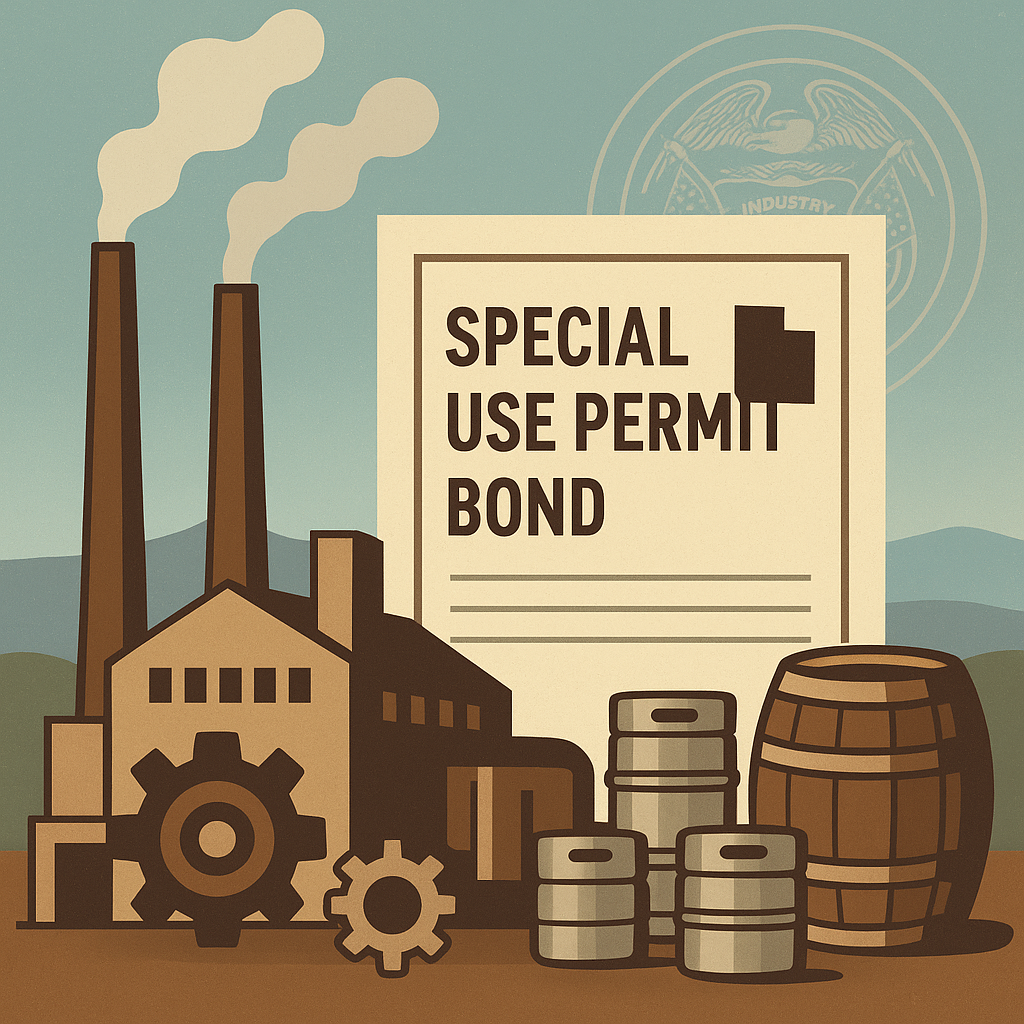
bookmark_borderUnderstanding Special Use Permit Bonds in Utah’s Alcohol Industry

If you’re planning to manufacture beer, spirits, or any alcohol-based product in Utah, there’s a good chance you’ve heard about a special use permit bond. Maybe you’re wondering if it’s the same as insurance, why it’s required, and how much it will cost. You’re not alone. Many business owners find this requirement confusing at first.

Let’s break it down in plain language. By the time you finish reading, you’ll know exactly what a Utah special use permit bond is, who needs one, and how it protects both your business and the state.

What Is a Utah Special Use Permit Bond?

A Utah special use permit bond is a type of surety bond required by the Utah Department of Alcoholic Beverage Control, often called the DABC. It applies to businesses that hold a special use permit for industrial or manufacturing purposes. This could include making beer, distilling spirits, using alcohol in food production, or creating products like flavor extracts, tinctures, or fuel.

Think of a surety bond as a three-party promise. The business owner is the first party. The DABC is the second party. The surety company is the third party that backs the promise. Together, they create a financial safety net that helps ensure your business follows the rules.

A common analogy is a security deposit on an apartment. Your landlord holds a deposit in case you damage the property or fail to pay rent. A special use permit bond works in a similar way, but it’s held for the benefit of the state and the public.

Who Needs an Industrial and Manufacturing Bond in Utah?

Not every alcohol-related business needs this exact bond. It’s specifically connected to a Utah DABC special use permit for industrial and manufacturing operations. If you’re making alcohol or using alcohol as part of a larger manufacturing process, you likely fall into this category.

Some common examples include:

  • Craft breweries and large-scale beer manufacturers
  • Distilleries producing spirits like whiskey, gin, or vodka
  • Wineries and cider makers
  • Food manufacturers using alcohol in extracts or flavorings
  • Companies making alcohol-based fuels or sanitizers
  • Labs or industrial facilities that handle bulk alcohol

If you’re unsure whether your permit type requires a bond, the safest move is to check directly with the DABC or work with a surety bond professional who understands Utah’s alcohol industry.

Why Does the DABC Require This Bond?

The main reason is accountability. Alcohol is a heavily regulated product, and Utah takes that regulation seriously. The state wants to make sure businesses pay the right taxes, follow manufacturing laws, and don’t divert alcohol into illegal channels.

For example, let’s say you operate a small brewery in Salt Lake City. You have a special use permit from the Utah DABC to manufacture beer. The state requires a bond before issuing or renewing that permit. If your brewery fails to file beer tax returns or breaks a manufacturing rule, a claim can be made against that bond.

Without a bond, the state would have fewer tools to recover lost tax money or enforce penalties. The bond gives everyone a clear path to resolution when something goes wrong.

How Does the Bond Work?

A surety bond is not the same as insurance. Insurance protects your business. A bond protects the state and the public. If a claim is paid, your business must repay the surety company. That’s the biggest difference.

Here’s how the process usually works:

  • Your business applies for a Utah DABC special use permit.
  • The DABC asks you to secure a bond as part of the approval process.
  • You purchase the bond from a licensed surety company.
  • The bond is filed with the DABC.
  • If you violate the permit terms or fail to pay required taxes, a claim can be filed.
  • The surety investigates the claim and may pay it if it’s valid.
  • Your business then reimburses the surety for the amount paid.

It’s a simple concept with serious responsibilities. The bond doesn’t give you a free pass. It gives the state a way to recover money if something goes off course.

Where Does Beer Tax Fit In?

Beer tax is a big part of the conversation. Utah collects taxes on beer that is manufactured, sold, or distributed within the state. These taxes help fund public services and regulatory programs. When a manufacturer doesn’t pay beer tax on time, the state loses revenue.

Depending on your operation, you may need a separate beer tax bond, or your special use permit bond may include beer tax obligations. Some businesses find that a single bond covers multiple requirements. Others may need more than one bond to stay compliant.

The key is understanding your specific permit and tax setup. Beer tax rules can be different from wine or spirits rules, so don’t assume one bond covers everything. A quick conversation with a bond expert can save you time and prevent fines.

How Much Does a Utah Special Use Permit Bond Cost?

Bond amounts vary based on the type of business, expected tax liability, and what the DABC requires for your permit class. The important thing to remember is that you don’t pay the full bond amount upfront. Instead, you pay a small percentage called the premium.

Most premiums range from about 1% to 5% of the total bond amount. For example, if your bond amount is $10,000 and your premium rate is 2%, you would pay $200 for the year. Your personal credit score, business financials, and experience in the industry can all influence that rate.

Strong credit often means a lower premium. If your credit is not perfect, don’t worry. Many surety companies offer programs for business owners with less-than-ideal credit. The rate may be higher, but the bond is often still obtainable.

How to Get a Utah DABC Special Use Permit Bond

Getting bonded is usually faster than most people expect. The process often looks like this:

  • Confirm your bond requirement with the Utah DABC.
  • Gather your business details, including tax ID and permit information.
  • Request a quote from a surety bond agency familiar with Utah alcohol bonds.
  • Complete a short application and, if needed, a credit check.
  • Review your premium quote and pay the premium.
  • Receive your bond and file it with the DABC.

Many bond agencies offer online quotes and can issue bonds the same day. The key is making sure you’re getting the right bond for the right permit. Filing the wrong bond can delay your permit and create headaches.

Common Questions and Helpful Tips

Do you need to renew the bond every year? In most cases, yes. Surety bonds are typically issued on an annual basis. You’ll need to pay the premium each year to keep the bond active. If your bond lapses, your permit could be suspended.

What happens if you have a claim? A claim can be stressful, but it’s not the end of the world. The surety company will investigate the claim to see if it’s valid. If it is, the surety pays the claimant and then seeks reimbursement from your business. That’s why it’s so important to follow Utah’s alcohol laws and pay beer taxes on time.

Can you get bonded with bad credit? Yes, it’s often possible. You may pay a higher premium, but many surety companies work with a range of credit profiles. It’s better to secure the bond and stay compliant than to risk operating without one.

Final Thoughts on Utah’s Special Use Permit Bond

Navigating the alcohol industry in Utah comes with extra layers of regulation, but a special use permit bond doesn’t have to be overwhelming. Treat it as a financial promise that says your business will follow the rules and pay what it owes. With the right bond in place, you can focus on what you do best: producing quality products and growing your business.

If you’re ready to get bonded or simply have questions about the Utah DABC special use permit bond, reach out to a bond professional who knows the alcohol industry. A little guidance now can save you from bigger problems down the road.
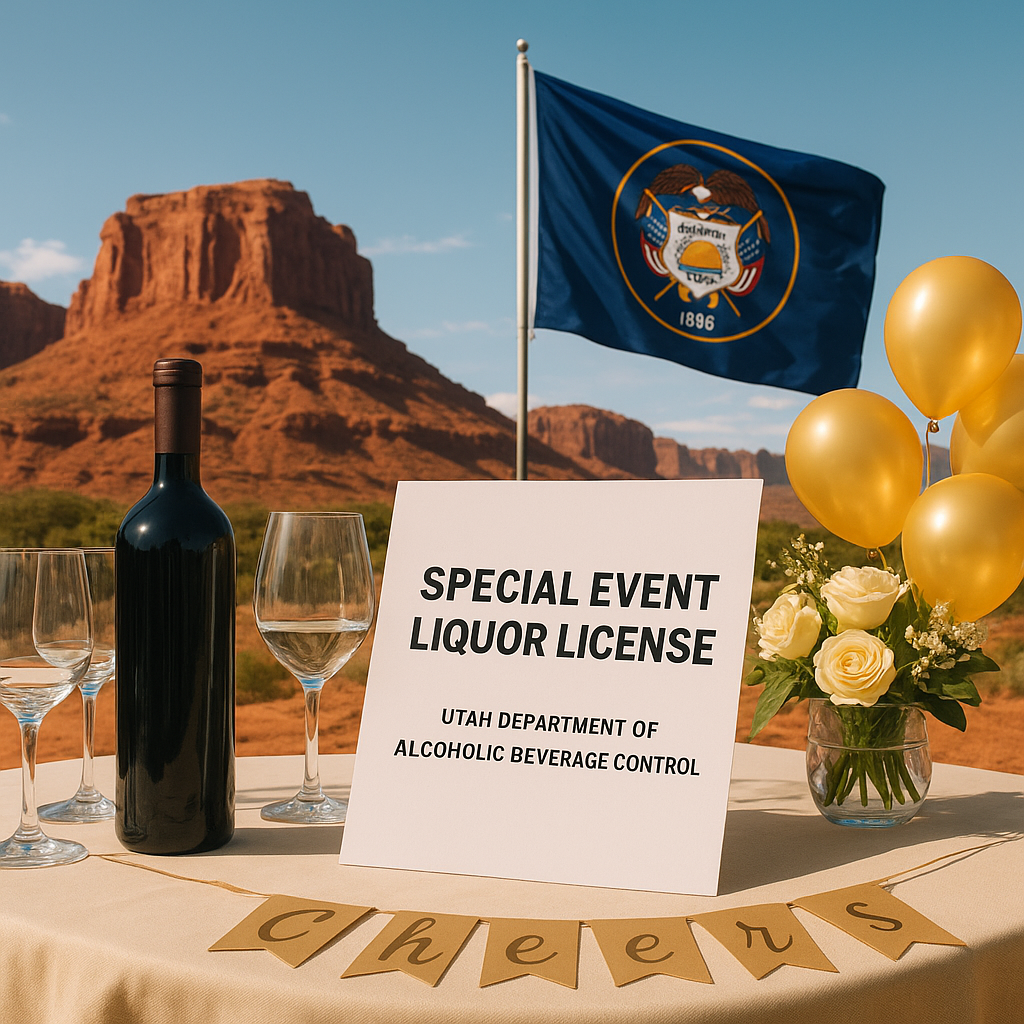
bookmark_borderNavigating Utah’s Special Event Liquor License Requirements for Success

Hosting an event in Utah can be an exciting adventure. Whether you’re planning a wedding reception, a charity gala, a music festival, or a community street fair, there’s one detail that can sneak up on you if you’re not prepared: serving alcohol. Utah has some of the most unique liquor laws in the United States, and if you want to include beer, wine, or spirits at your gathering, you’ll likely need a special event liquor license. Understanding the ins and outs of this process doesn’t have to be overwhelming. With a little preparation, you can navigate the requirements with confidence and focus on making your event memorable.

Understanding Utah’s Special Event Liquor License

A special event liquor license in Utah is a temporary permit that allows the legal sale, service, or consumption of alcohol at a specific event for a limited time. Unlike a standard bar or restaurant license that runs year-round, a special event permit is tied to one occasion or a short series of related events. This type of license is commonly used for fundraisers, corporate parties, festivals, weddings, and other one-time gatherings.

Think of it like renting a car instead of buying one. You don’t need a permanent alcohol license if you’re only hosting a single event. The special event permit gives you the legal green light for that specific day or weekend without a long-term commitment.

However, getting that green light means working with the Utah Department of Alcoholic Beverage Control, often called the DABC. This state agency oversees alcohol sales and service across Utah, and they are the ones who review and approve special event liquor license applications.

The Role of the Utah Department of Alcoholic Beverage Control

The Utah Department of Alcoholic Beverage Control exists to ensure that alcohol is sold and served responsibly. They set the rules, review applications, and enforce compliance. When you apply for a special event liquor license, the DABC looks at the details of your event to make sure everything aligns with Utah law.

One of the first things to understand is that the DABC doesn’t just hand out permits to anyone. They want to know who is hosting the event, where it will take place, how many people will attend, and what types of alcohol will be served. They also want to see that you have a responsible plan for serving alcohol safely.

This might sound like a lot of red tape, but it’s actually a good thing. The process is designed to protect both the event host and the guests. By following the Utah Department of Alcoholic Beverage Control’s guidelines, you reduce the risk of legal trouble and create a safer environment for everyone involved.

What Is a Single Event Bond?

One of the key requirements you may encounter during the application process is a single event bond. A single event bond is a type of surety bond that acts as a financial guarantee. It promises that you, as the event organizer, will follow Utah’s alcohol laws and meet your financial obligations, such as paying required taxes or fees.

In simpler terms, think of a single event bond as a safety net. If something goes wrong and you fail to meet the legal requirements, the bond can help cover financial losses or penalties. It’s not insurance for your event in the traditional sense, but it protects the state and the public by holding you accountable.

Many event hosts ask how much a single event bond costs. The answer depends on the bond amount required by the DABC and the surety provider you choose. Typically, you only pay a small percentage of the total bond amount as a premium. For example, if your required bond is $1,000, you might pay just $100 or less for the bond. The exact cost can vary, so it’s smart to shop around or work with a provider familiar with Utah special event liquor license requirements.

How to Apply for a Single Event Permit in Utah

Applying for a special event liquor license in Utah doesn’t have to be a headache. Breaking the process down into simple steps can make it feel much more manageable. Here’s a general roadmap to help you get started.

Step 1: Confirm Your Event Qualifies

Before diving into paperwork, take a moment to confirm that your event actually needs a special event liquor license. If you’re hosting a private party at your home with no alcohol sales, you likely won’t need a permit. But if you’re selling tickets, serving alcohol at a public venue, or hiring a professional bartender for a larger gathering, you probably will. When in doubt, reach out to the Utah Department of Alcoholic Beverage Control for guidance.

Step 2: Gather Your Event Details

The DABC will ask for specific information about your event. Be ready to share the date, time, location, expected attendance, and the type of alcohol you plan to serve. You’ll also need to provide details about the venue and any local permits or permissions you’ve already secured. Having all of this information organized ahead of time can save you from scrambling later.

Step 3: Complete the DABC Application

Once you have your event details in order, you’ll complete the special event liquor license application through the Utah Department of Alcoholic Beverage Control. The application asks for basic information about you or your organization, the event, and your alcohol service plan. Be honest and thorough in your answers. Missing or inaccurate information can delay your approval.

Step 4: Secure Your Single Event Bond

If the DABC requires a single event bond for your event, you’ll need to obtain one before your license is finalized. Work with a licensed surety bond provider to get the bond issued quickly. Many providers offer online applications and fast turnaround times, which is helpful if you’re working on a tight deadline. Once you have the bond, keep a copy for your records and submit the required proof to the DABC.

Step 5: Submit and Follow Up

After you’ve completed the application and secured any required bonds or documents, submit everything to the Utah Department of Alcoholic Beverage Control. Don’t wait until the last minute. Processing times can vary, especially during busy event seasons. Follow up politely if you haven’t heard back within the expected timeframe. A quick phone call or email can help move things along and give you peace of mind.

Common Mistakes to Avoid

Even the most organized event planners can hit a snag when it comes to Utah’s special event liquor license requirements. Here are a few common mistakes to watch out for.

  • Waiting too long to apply. The DABC needs time to review your application. Applying close to your event date can create unnecessary stress.
  • Forgetting the single event bond. Some hosts don’t realize a bond is required until the last minute. Check the requirements early so you’re not caught off guard.
  • Assuming a venue license covers your event. Just because a venue has a liquor license doesn’t mean your specific event is automatically covered. Always verify with the venue and the DABC.
  • Serving alcohol before approval. This is a big one. Never serve alcohol until your special event liquor license is officially approved. Doing so can result in fines, legal trouble, or even shutting down your event.
  • Ignoring local rules. Some cities and counties in Utah have additional requirements beyond the state permit. Check with your local government to make sure you’re covered.

Frequently Asked Questions

How long does it take to get a special event liquor license in Utah?
Processing times can vary, but it’s best to apply at least a few weeks before your event. Some applications may be approved faster, but giving yourself extra time is always wise.

Can I serve alcohol at a private wedding without a permit?
In many cases, a private event at a private residence may not require a permit. However, if your wedding is at a public venue or you’re hiring a caterer or bartender, a special event permit is often necessary. Check with the DABC to be sure.

Do I need a single event bond for every special event liquor license?
Not every event will require a single event bond, but many do. The DABC will let you know if a bond is part of your specific requirements. It’s always a good idea to ask early in the process.

What happens if I don’t follow the rules after getting a permit?
Failing to follow Utah’s alcohol laws can lead to fines, loss of your permit, or even criminal charges. The single event bond can help cover financial penalties, but it’s not a free pass. Responsible service should always be your top priority.

Final Thoughts

Navigating Utah’s special event liquor license requirements might feel like a lot at first, but it doesn’t have to be a roadblock. By understanding the role of the Utah Department of Alcoholic Beverage Control, planning ahead, and securing any necessary single event bond, you can check one big item off your event to-do list with confidence.

Remember, the goal is to create a wonderful experience for your guests while staying on the right side of the law. With a little preparation and attention to detail, you’ll be ready to raise a glass and enjoy the celebration you’ve worked so hard to plan.

bookmark_borderUnderstanding Liquor Bonds for Utah Restaurant Owners in 2023

If you’re planning to open a restaurant in Utah or add alcohol to your menu, you’ve probably seen the term “restaurant liquor bond” pop up. At first glance, it might sound like one more piece of confusing red tape. But honestly? It’s a lot simpler than it looks once you understand what it is and why it matters. Whether you’re in Salt Lake City, Park City, Provo, or St. George, this guide will walk you through the basics of the Utah Department of Alcoholic Beverage Control restaurant liquor bond.

What Is a Utah Restaurant Liquor Bond?

A Utah restaurant liquor bond is a type of surety bond required by the Utah Department of Alcoholic Beverage Control, also known as the DABC. It applies to many restaurant owners who want to sell beer, wine, or spirits legally in the state. Think of this bond as a financial promise. It’s not the same as your business insurance. Instead, it’s a guarantee to the state that you’ll follow all the alcohol-related laws and pay any required taxes or fees.

Here’s a simple analogy: Imagine you’re borrowing a friend’s car, and another friend promises, “If anything goes wrong, I’ll help cover the damages.” That friend is acting like a surety company. The bond company steps in and tells the state, “We trust this restaurant owner, and we’ll back them up financially if they break the rules.”

Why Does the DABC Require a Liquor Bond?

The Utah Department of Alcoholic Beverage Control oversees how alcohol is sold and served across the state. Because selling alcohol comes with real responsibilities—like checking IDs, following serving hours, and paying taxes—the state wants a safety net. The restaurant liquor bond gives the DABC a way to recover money if a business fails to meet its obligations.

It’s not meant to punish honest restaurant owners. Actually, it’s more about protecting the public and keeping the playing field fair. When everyone who holds a liquor license is bonded, it adds an extra layer of accountability to the industry.

Does that mean the state expects you to fail? Not at all. It simply means they want a system in place in case something unexpected happens.

Who Needs a Restaurant Liquor Bond in Utah?

If you’re applying for a restaurant liquor license in Utah, there’s a good chance you’ll need a bond. This includes full-service restaurants that serve liquor alongside food, as well as many limited-service spots that pour beer and wine. Bars, taverns, and some clubs may also fall under similar bonding requirements, depending on how they’re classified.

New restaurant owners often ask if they can skip this step. The short answer is no—if the DABC lists a bond as part of your license application, you must provide proof of that bond before your license can be issued or renewed.

It’s also important to remember that bonds don’t always transfer automatically. If you’re buying an existing restaurant, don’t assume the previous owner’s bond will cover you. You may need to secure your own Utah restaurant liquor bond under your business name.

New Owners vs. Existing Owners

The bonding process looks a little different depending on whether you’re starting fresh or taking over an established restaurant. New owners might need to go through a more detailed underwriting process, especially if their business credit isn’t built up yet. Existing owners who have a clean track record may qualify for lower rates. Either way, the best move is to confirm your exact requirements directly with the DABC or a Utah-licensed surety bond agency.

How Much Does a Utah Liquor Bond Cost?

This is usually the biggest question, so let’s clear it up. You don’t pay the full bond amount upfront. Instead, you pay a premium, which is a small percentage of the total bond. In Utah, many restaurant liquor bonds fall somewhere between $5,000 and $10,000, though your exact amount can vary based on your license type and DABC requirements.

If your bond amount is $10,000 and your premium rate is somewhere between 1% and 3%, you might pay around $100 to $300 for the year. That’s it. You aren’t handing over ten grand out of pocket. You’re simply paying for the guarantee.

Several factors can influence your premium, including your personal credit score, business history, and financial stability. Restaurant owners with good credit often enjoy the lowest rates. If your credit is less than perfect, you may still get approved but at a slightly higher percentage.

How to Get a Utah Restaurant Liquor Bond

The process is easier than you might think. In fact, many restaurant owners are surprised by how quickly it can be done. Here’s a simple step-by-step breakdown:

  • Confirm your bond requirement. Check with the Utah DABC to find out the exact bond amount and type you need for your restaurant liquor license.
  • Find a licensed surety company. Work with a company that’s authorized to issue bonds in Utah. Not every online provider is licensed in every state, so double-check.
  • Complete an application. You’ll typically provide basic information about your restaurant, your business structure, and sometimes your personal credit history.
  • Get your quote. The surety company will review your application and give you a premium price. This often happens the same day.
  • Pay the premium. Once you pay, the bond becomes active.
  • File proof with the DABC. You’ll provide documentation showing your bond is in place, which helps move your liquor license application forward.

How Long Does a Liquor Bond Last?

Most Utah restaurant liquor bonds are issued for one year. After that, you’ll need to renew the bond to keep your license in good standing. Renewal is usually simple—sometimes just a payment and a quick review. If your credit or business financials change, your premium could change at renewal time too.

Common Mistakes Restaurant Owners Make

Nobody wants a delay in opening their restaurant, and a bonding hiccup can slow things down. Here are some pitfalls to avoid:

  • Waiting until the last minute. Applying for your bond early gives you time to handle any issues that come up.
  • Confusing the bond with insurance. The bond protects the state and the public, not your business. You still need commercial insurance for your restaurant.
  • Choosing an out-of-state company that isn’t licensed in Utah. This can lead to rejection by the DABC and wasted time.
  • Forgetting to renew. If your bond lapses, your liquor license could be at risk. Put a reminder on your calendar.

Does the Bond Cover My Restaurant If Something Goes Wrong?

This is a common misconception. The Utah restaurant liquor bond does not work like liability insurance for your business. If a customer is injured or your equipment is damaged, the bond won’t cover that. The bond is specifically there to protect the DABC and, by extension, the public from financial harm caused by a restaurant violating alcohol laws or failing to pay required taxes.

If a claim is made against your bond and the surety company pays it, you’ll be responsible for reimbursing the surety company. That’s why it’s so important to follow Utah’s alcohol regulations closely. The bond is a promise that you’ll do the right thing—and there are real consequences if you don’t.

Can You Get a Utah Liquor Bond With Bad Credit?

Yes, in many cases you can still get bonded even if your credit isn’t perfect. The surety company might charge you a higher premium because they see you as a bigger risk, but approval is often possible. Some companies even offer programs designed for restaurant owners with lower credit scores. The key is to shop around and work with an agency that understands the Utah restaurant industry.

Why the Bond Matters for Your Restaurant’s Future

Securing a restaurant liquor bond might feel like a box to check, but it’s really part of building a responsible business. When you’re bonded, you’re showing the state, your customers, and your community that you take the privilege of selling alcohol seriously. In Utah, where alcohol laws are known for being stricter than in many other states, that credibility matters.

Plus, having your bond in place on time means you can focus on what you actually want to do: open your doors, serve great food, and pour a nice local beer or cocktail without worrying about a licensing delay.

Final Thoughts

Understanding the Utah DABC restaurant liquor bond doesn’t have to feel overwhelming. It’s simply a financial guarantee required to sell alcohol legally in the state. You pay a small percentage of the bond amount, file it with the DABC, and renew it each year. Yes, there are steps involved, but they’re manageable—especially when you work with a surety company that knows Utah’s rules.

So if you’re a restaurant owner in 2023 preparing for your liquor license, take a deep breath. The bond is just one part of the journey. Get it handled early, follow the rules, and you’ll be serving happy guests before you know it.

bookmark_borderUnderstanding Utah’s Resort Liquor Bond and Its Impact on Sales

If you plan to sell beer, wine, or spirits at a resort in Utah, you have likely come across something called a resort liquor bond. At first glance, it sounds like just another piece of paperwork. But it plays a much bigger role in your daily operations than you might think.

So, what exactly is this bond? Why does the Utah Department of Alcoholic Beverage Control require it? And how does it affect liquor sales at your property? Let’s break it down in simple, everyday terms.

What Is a Resort Liquor Bond?

A resort liquor bond is a type of surety bond required by the Utah Department of Alcoholic Beverage Control, often called the DABC. Think of it as a financial promise. It tells the state, “We will follow the rules, and if we don’t, there is money set aside to make things right.”

It’s not the same as insurance. With insurance, you protect your own business from things like fire or theft. With a surety bond, you protect the public and the state from your business not following the law. If your resort breaks certain liquor rules, a claim can be filed against the bond. If that claim is valid, the bond company pays out first. Then, you pay the bond company back. So, in the end, the business is still responsible.

A simple analogy is a security deposit on an apartment. The landlord holds the deposit in case you damage the unit. You do not get to use that money for your own benefit, but it provides protection for the other party. A resort liquor bond works in a similar way, except it involves three parties: your business, the state of Utah, and the surety company providing the bond.

Who Needs a Resort Liquor Bond in Utah?

Not every business that serves alcohol in Utah needs this specific bond. It applies mainly to establishments that hold a resort liquor license. These are often hotels, resorts, and large hospitality properties that want to sell liquor, wine, and beer for on-site consumption.

If your business qualifies as a resort under Utah law and you want to offer full liquor service, the DABC will likely require a resort liquor bond before your license is issued or renewed. This could include places with guest rooms, meeting spaces, restaurants, golf courses, ski lodges, or other resort-style amenities.

In simple terms: if the state requires a resort liquor license for your operation, you probably need a resort liquor bond to go with it.

How the Bond Impacts Liquor Sales

It’s easy to think of a bond as just another cost. But it actually has a direct impact on whether you can generate alcohol revenue at all. Here’s why.

In Utah, you cannot legally sell liquor at a resort without the proper license. And you cannot get that license without satisfying the DABC’s bond requirement. That means the bond is not just an extra expense. It’s the gateway to liquor sales.

Let’s say you run a mountain resort with a restaurant and a bar. Guests expect to order a cocktail after a day on the slopes. If your bond is not in place, your liquor license could be delayed or denied. That means no bar sales, no wine with dinner, and no alcohol at events. For many resorts, that’s a major loss.

On the other hand, when your bond is active and your license is valid, you can sell alcohol with confidence. You know you are operating within state rules, and the DABC knows you have financial backing if something goes wrong. That can make the licensing process smoother and help you avoid unnecessary disruptions.

Short-Term Impact on Your Business

In the short term, getting a resort liquor bond means you need to budget for the premium. The good news is that you do not pay the full bond amount. You only pay a small percentage, similar to paying interest on a loan. The exact cost depends on your credit and financial history.

Once the bond is in place, you can focus on running your business. You won’t have to worry about a bond-related hold-up when it’s time to open your bar or serve guests.

Long-Term Impact on Sales and Reputation

Over time, having the right bond in place can protect your reputation. It shows the state, your guests, and your business partners that you take compliance seriously. That trust can lead to fewer legal issues and more consistent revenue.

If a claim is ever filed against your bond, it could create financial strain and draw unwanted attention. That’s why it’s important to train your staff, follow Utah liquor laws, and keep accurate records. A little prevention goes a long way in protecting both your bond and your sales.

How Much Does a Resort Liquor Bond Cost?

The cost of a resort liquor bond depends on two main things: the required bond amount and your financial profile.

Utah sets the bond amount based on the type of license and the level of risk involved. You do not pay that full amount upfront. Instead, you pay a premium, which is usually a small percentage of the total bond amount. For example, if the bond is $25,000 and your premium rate is 2%, you would pay $500 per year. That’s a simplified example, but it gives you a general idea.

Your credit score, business financials, and experience in the industry can all affect your premium. A business with strong credit may qualify for a lower rate, while a business with credit challenges may pay more. Either way, a surety company can usually provide a quote quickly.

Steps to Get a Resort Liquor Bond

Getting a resort liquor bond in Utah is often easier than people expect. Here’s a simple step-by-step look at the process:

  • Confirm your bond requirement. Check with the Utah Department of Alcoholic Beverage Control or your licensing specialist to find out the exact bond amount you need.
  • Choose a surety bond provider. Look for a company that understands Utah liquor bonds and can guide you through the process.
  • Complete the application. You’ll provide basic business information and possibly financial documents.
  • Receive your quote. The surety reviews your application and gives you a premium amount.
  • Pay the premium. Once you pay, the bond is issued.
  • File the bond with the DABC. Your license application can move forward once the state receives proof of your bond.

Keep in mind that renewals are often required each year. Staying on top of your renewal can help you avoid a lapse in coverage and a potential interruption in liquor sales.

Common Misconceptions About Utah Resort Liquor Bonds

There are a few misunderstandings that often come up when people hear about resort liquor bonds. Let’s clear those up.

“It’s just another tax.” No, a bond is not a tax. It’s a financial guarantee. You pay a premium, but that money goes to the surety company, not the state. The state simply receives the protection the bond provides.

“I get the money back at the end.” Unlike a security deposit, you don’t get the premium back. The premium is the cost of obtaining the bond. However, you don’t lose the full bond amount if you follow the rules. You simply pay the annual premium.

“It covers my business like insurance.” This is a big one. A surety bond protects the state and the public, not your business. If a claim is paid, you’re responsible for reimbursing the surety company.

Why the Resort Liquor Bond Matters to Guests Too

Guests may never think about bonds, but they benefit from them. When a resort has a valid bond and license, it means the establishment has met certain state requirements. That can translate to better service, safer alcohol practices, and a more professional operation overall.

So, while a resort liquor bond may seem like behind-the-scenes paperwork, it plays a role in the guest experience. It helps ensure that alcohol is served legally and responsibly at the places people love to visit in Utah.

Final Thoughts

Understanding Utah’s resort liquor bond is an important step for anyone in the hospitality business. It’s more than a requirement from the Utah Department of Alcoholic Beverage Control. It’s the key that unlocks legal liquor sales at your resort.

By budgeting for the premium, keeping your bond active, and following Utah’s alcohol laws, you can protect your revenue and your reputation. Whether you’re opening a new resort, renewing a license, or simply exploring your options, taking the time to understand this bond will pay off in the long run.

Liquor sales can be a major part of a resort’s success. With the right bond in place, you can serve your guests with confidence and keep your business moving forward.

bookmark_borderUtah’s New Reception Center Boosts Liquor Sales and Hospitality

Planning a wedding, corporate event, or big family celebration in Utah often comes with one big question: Can we serve alcohol here? For years, the answer depended on a confusing mix of permits, rules, and paperwork. That is starting to change. A new focus from the Utah Department of Alcoholic Beverage Control, often called the DABC, is helping reception centers offer legal liquor sales more easily. At the center of this shift is something called the Reception Center Bond. It may sound like dry government language, but it is actually making a real difference for event venues, hosts, and Utah’s hospitality industry.

Why Utah Liquor Rules Have Felt Complicated

Utah has a reputation for having some of the strictest alcohol laws in the United States. The state controls the sale of wine, spirits, and heavy beer through the DABC. That means you do not just pick up a bottle of vodka at any grocery store. You go to a state liquor store or use a special order system.

For event venues like reception centers, the rules can get even more layered. A venue might have a beautiful ballroom and an amazing catering team, but if it does not have the right DABC approvals, it cannot legally serve alcohol to guests. That has historically made it harder for reception centers to compete with hotels or resorts that already have full liquor licenses.

The new Reception Center Bond program is designed to remove some of that friction. It gives qualified reception centers a clearer path to offer liquor at events while still keeping the state’s strict standards for responsibility and compliance.

What Is the Reception Center Bond?

Think of the Reception Center Bond as a safety net. It is a financial guarantee that a reception center will follow Utah’s alcohol laws. If the venue fails to comply with rules, the bond helps cover potential penalties or damages. In many ways, it works like a security deposit for a rental property. The venue puts protection in place, and in return, it gains permission to participate in legal alcohol service.

The bond is tied directly to the Utah Department of Alcoholic Beverage Control. By requiring this bond, the state can hold venues accountable while still allowing them to serve customers. It is not a license by itself, but it is a key piece of the puzzle for reception centers that want to handle liquor sales or allow alcohol at private events.

For venue owners, the bond removes some of the guesswork. Instead of navigating a patchwork of unclear expectations, they now have a structured requirement. Once the bond is in place, they can focus more on hospitality and less on legal uncertainty.

How the Program Boosts Liquor Sales

One of the biggest benefits of the Reception Center Bond is that it opens the door to more legal liquor sales across Utah. When more venues can participate, more events can include alcohol. That naturally increases demand at state liquor stores and through the DABC special order system.

Here is a simple example. A couple wants to host a wedding at a small reception center in Salt Lake City. In the past, the venue might have told them they could not serve alcohol because the permitting process was too costly or complicated. Now, that same venue can obtain a bond and work within the DABC system. The couple buys their wine and spirits through the approved process, the venue serves it responsibly, and the state collects the revenue.

That is a win on multiple levels. The couple gets the celebration they imagined. The venue books more business. The state sees an increase in legal liquor sales. Meanwhile, the community benefits from the tax revenue that supports public services.

More Venues, More Choices

Before this shift, many event hosts felt limited to a small number of venues that already had full liquor licenses. That could drive up prices and reduce availability. With the bond program, more reception centers can enter the market. More options mean better pricing, more creative event spaces, and a healthier hospitality industry overall.

It also encourages competition. A venue that once lost bookings because it could not serve alcohol can now compete on a more level playing field. This is especially helpful for family-owned reception centers in smaller Utah communities that want to offer a full-service experience.

A Friendlier Hospitality Experience

Hospitality is about making guests feel welcome. Alcohol service is often part of that experience, especially at weddings, anniversaries, and corporate dinners. The Reception Center Bond helps Utah’s event venues deliver that experience without running into legal roadblocks.

Imagine attending a reception where the bar is fully stocked, the staff is trained, and everything flows smoothly. That does not happen by accident. It happens when a venue has the right approvals and knows how to serve responsibly. The bond program encourages venues to invest in that kind of professional service.

For out-of-state visitors, this is particularly important. Utah hosts a lot of destination weddings and corporate retreats. Guests from other states may not understand why alcohol service can be complicated here. When a venue can confidently say, “Yes, we can serve your favorite wine with dinner,” it makes the entire event feel more welcoming.

What Event Hosts Need to Know

If you are planning an event in Utah, you do not need to become an expert in alcohol law. But it helps to understand a few key points.

  • Ask about the bond. When touring a reception center, ask if they participate in the DABC Reception Center Bond program. It is a good sign that the venue takes alcohol compliance seriously.
  • Plan alcohol purchases early. In Utah, most liquor is purchased through state-run outlets. For special products, you may need to use the DABC special order system. Give yourself extra time.
  • Work with trained staff. A bonded reception center should provide staff who know how to check IDs, monitor consumption, and follow state rules. This protects you and your guests.
  • Understand the costs. Alcohol service at an event includes more than just the bottles. There may be corkage fees, service charges, or bond-related costs. Ask for a clear breakdown.

The Bigger Picture for Utah Communities

Some people assume that easier alcohol access is only about parties. But the impact goes much deeper. The hospitality sector is a major employer in Utah. It includes hotels, restaurants, event venues, catering companies, and florists. When reception centers thrive, they support a whole ecosystem of local businesses.

The Utah Department of Alcoholic Beverage Control is often seen only as a regulator. In reality, the department also plays a role in supporting responsible hospitality. By offering a structured program like the Reception Center Bond, the DABC shows that regulation and economic growth can go hand in hand.

That balance is not always easy. Utah values safety and moderation, but it also values family gatherings, cultural events, and tourism. A well-run reception center can honor all of those values. It can provide a beautiful setting for a wedding while also making sure no one overindulges and that minors are not served.

Common Questions About the Program

Does the Reception Center Bond allow any type of alcohol?

The bond helps venues meet DABC requirements, but the specific types of alcohol served still depend on the venue’s permits and how the alcohol is purchased. Wine, beer, and spirits all have different rules in Utah. A qualified venue can help hosts understand what is allowed.

Can a private host buy alcohol directly and serve it at a reception center?

This is where Utah law gets tricky. In many cases, alcohol for events must be purchased through the DABC system or through a licensed provider. A bonded reception center can guide hosts through the correct process. It is never a good idea to ignore the rules, even for a private event.

Is the bond the same as a liquor license?

No. A bond is a financial guarantee. A liquor license is a specific permit to sell or serve alcohol. Think of the bond as one important layer of compliance. Venues may still need other approvals depending on their business model.

A Win for Hosts, Venues, and the State

The Reception Center Bond may not be the most exciting topic at a dinner party, but it is quietly changing how Utah celebrates. It gives reception centers a clearer way to offer alcohol, helps boost legal liquor sales, and supports a more vibrant hospitality industry.

For couples planning a wedding, a business planning a holiday party, or a family hosting a reunion, the message is simple: more venues can now help you celebrate responsibly. So when you start touring reception centers, do not be afraid to ask about their DABC bond. It could be the difference between a dry event and a full-service experience your guests will remember.

Utah’s approach to alcohol is unique, but it is evolving. Programs like this show that the state can respect its values while also meeting the needs of a growing, diverse population. That is good news for everyone who loves gathering with good food, good company, and yes, a well-served drink.

bookmark_borderUtah Highway Patrol Enhances Inspection Station with $1,000 Investment

If you run a vehicle inspection station in Utah, or you’re thinking about opening one, you’ve probably come across a small but important requirement: the Highway Patrol UT inspection station bond. Right now, that bond amount is $1,000. It may sound like a minor line item compared to rent, equipment, and payroll, but this bond carries a lot of responsibility.

Think of it as a promise with a financial backbone. The State of Utah Highway Patrol uses this bond to help keep inspection stations honest, safe, and accountable. In this post, we’ll break down what the bond is, who needs it, how it works, and why it matters to everyday drivers and station owners alike.

What Is the Utah Highway Patrol Inspection Station Bond?

At its core, the Utah inspection station bond is a type of surety bond. Surety bonds can sound complicated, but they’re actually pretty simple. A surety bond is a three-party promise. You have the station owner, the state, and the bond company. The station owner promises to follow Utah’s inspection rules. The state requires that promise. The bond company backs the promise with money if something goes wrong.

For Utah inspection stations, the bond amount is $1,000. That doesn’t mean you pay $1,000 upfront and never see it again. In most cases, you pay a small percentage of that amount as a premium. The full $1,000 is the coverage amount the state can draw from if a station breaks the rules.

So, what kind of rules are we talking about? The State of Utah Highway Patrol oversees inspection stations that perform safety inspections, emissions checks, or other vehicle-related services. The bond helps ensure stations perform those services properly, report results honestly, and follow all state guidelines.

Why a $1,000 Bond Makes Sense

You might wonder why the bond amount is only $1,000. After all, cars are expensive, and inspection mistakes can lead to serious problems. The answer is that this bond isn’t meant to cover the cost of a faulty car. It’s meant to encourage compliance and give the state a way to hold stations accountable.

Compare it to a security deposit on an apartment. A landlord doesn’t expect your deposit to cover every possible repair. But knowing you could lose that deposit encourages you to take care of the place. In the same way, a $1,000 Utah inspection station surety bond gives station owners a clear reason to follow the rules. If they don’t, they could face a claim against the bond.

That amount also keeps the bond affordable. For small business owners and independent inspection shops, a $1,000 bond is manageable. It’s high enough to matter but low enough not to create a barrier to entry.

Who Needs This Bond in Utah?

If you operate or plan to operate a vehicle inspection station under the authority of the Utah Highway Patrol, you likely need this bond. That includes stations that handle:

  • Vehicle safety inspections
  • Emissions testing
  • Salvage vehicle inspections
  • Other inspections required by Utah law

It’s important to check with the Utah Highway Patrol or your local licensing office to confirm your specific requirements. Requirements can vary depending on the type of station you run and the services you offer. But for many inspection stations across the state, this $1,000 bond is a standard part of doing business.

How the Bond Protects Everyone

The Highway Patrol UT inspection station bond isn’t just about protecting the state. It also protects consumers and, in some ways, station owners themselves.

Here’s an example. Imagine a station performs a safety inspection and passes a vehicle that shouldn’t be on the road. Later, that vehicle causes an accident because of a problem the inspection should have caught. The state could step in and file a claim against the station’s bond. The bond company would investigate. If the claim is valid, the bond company pays up to $1,000 to the harmed party or the state.

But here’s the part many people don’t realize. The station owner is still responsible for paying the bond company back. A surety bond is not insurance. It’s more like a line of credit with a specific purpose. If a claim is paid, the bond company will seek reimbursement from the station owner. That gives owners a powerful incentive to do things right the first time.

For drivers, the bond offers peace of mind. It means there’s a small financial safety net if an inspection station acts improperly. It won’t cover every possible loss, but it’s another layer of accountability in Utah’s vehicle inspection system.

How to Get Your Utah Inspection Station Bond

Getting a Utah inspection station bond is usually a straightforward process. Most station owners work with a surety bond provider or an insurance agency that handles surety bonds. You’ll fill out a short application, provide some basic business information, and pay a premium.

The premium for a $1,000 bond is often very affordable. Depending on your credit and business history, you might pay anywhere from $100 to $200 per year. Some providers even offer the bond for a flat rate, making budgeting easy.

What You’ll Need

When you apply for a Utah vehicle inspection station bond, you may need to provide:

  • Your business name and address
  • Your Utah inspection station license number, if available
  • Your Social Security number or employer identification number for a credit check
  • Details about the type of inspection station you operate

Once approved, the bond company will issue a bond form. You’ll sign it and submit it to the Utah Highway Patrol or the appropriate state office. The bond typically stays in effect for one year and must be renewed annually.

Common Questions About the Utah Inspection Station Bond

Does the $1,000 bond cost $1,000?

No. The $1,000 is the coverage amount, not the price you pay. You pay a small premium, which is a fraction of that amount.

Is the bond the same as insurance?

Not exactly. Insurance protects you from unexpected losses. A surety bond protects the public and the state from your actions. If a claim is paid, you must reimburse the bond company.

Can I get the bond with bad credit?

In many cases, yes. Because the bond amount is only $1,000, many providers approve applicants without strict credit requirements. Some offer a simple flat rate.

How long does it take to get bonded?

For most Utah inspection station bonds, approval can happen within a few hours or even minutes. Some online providers offer instant quotes and same-day issuance.

What This Means for Utah’s Inspection Stations

The State of Utah Highway Patrol keeps a close eye on inspection stations because public safety is on the line. The $1,000 Inspection Station Bond is a small but powerful tool. It helps ensure stations follow the law, keep accurate records, and perform inspections with integrity.

For station owners, the bond is more than a piece of paper. It’s a signal to customers and the state that you take your responsibilities seriously. It says you’re willing to put your reputation on the line, backed by a financial guarantee.

If you’re starting an inspection station in Utah, don’t overlook this requirement. It’s easy to obtain, affordable, and required for many operations. A quick conversation with a surety bond provider can help you check the box and get back to serving your community.

Final Thoughts

The Highway Patrol UT inspection station bond might seem like just another licensing requirement, but it plays an important role in keeping Utah’s roads safe. With a $1,000 bond, the state creates accountability without placing a heavy burden on business owners.

So, whether you’re a new station owner or a driver curious about how the system works, understanding this bond can make things clearer. It’s a small investment that supports big responsibility. And in the world of vehicle inspections, that’s exactly what Utah needs.

bookmark_borderUnderstanding Utah’s Temporary Special Event Beer Bond Policy

Planning a big outdoor festival, a wedding reception, or a charity fundraiser in Utah where beer will be served? If so, there is a good chance you will run into a rule that sounds a little intimidating at first: the Utah temporary special event beer bond. But here is the good news. It is not as complicated as it sounds.

In this guide, we will break down everything you need to know about Utah’s temporary special event beer bond policy. We will walk through what it is, why it exists, who needs it, and how you can get one without pulling your hair out.

What Is a Temporary Special Event Beer Bond?

A temporary special event beer bond is a type of surety bond required by the Utah Department of Alcoholic Beverage Control, often called the Utah DABC. It applies to certain events where beer is sold or served on a short-term basis.

Think of this bond as a financial promise. It tells the state of Utah that you will follow the rules, report your beer sales, and pay any beer taxes that are due. If you do not, the bond helps cover the money the state might lose.

A Simple Security Deposit Analogy

Imagine renting a venue for a weekend event. The owner may ask for a security deposit in case something gets damaged. If you leave the venue clean and follow the rental agreement, you get the deposit back or never pay a penalty. A temporary special event beer bond works in a similar way, but instead of protecting a venue, it protects the state’s tax revenue and public safety rules.

You do not hand over a suitcase full of cash to the state. Instead, you work with a surety company that backs your promise. If you break the rules, the surety may pay the state, and then you are responsible for repaying the surety.

Why Does Utah Require This Bond?

Utah has a carefully controlled alcohol system. The Utah DABC oversees the sale, service, and taxation of alcoholic beverages. Beer served at temporary events still falls under those rules, even if the event only lasts one day.

The bond is there to protect the state and the public. It helps ensure that event organizers take their responsibilities seriously. When a bond is in place, there is a clear financial incentive to follow the law.

The Role of Beer Tax

Beer tax is a major reason behind the temporary special event beer bond. When beer is sold at a temporary event, the state collects a tax on that beer. The bond helps guarantee that those taxes are reported and paid on time.

If an organizer forgets to file a tax report, underpays, or leaves the state without paying, the Utah DABC can make a claim against the bond. That protects taxpayers and keeps the system fair for businesses that do follow the rules.

Who Needs a Temporary Special Event Beer Bond in Utah?

Not every private gathering needs this bond. A small family barbecue in your backyard is not the target. The bond generally applies to events that need a temporary beer permit from the Utah DABC and plan to sell beer or serve it under special event rules.

Common examples include:

  • Community festivals and street fairs
  • Concerts and outdoor music events
  • Charity galas and fundraising dinners
  • Food and beverage events where beer is sold
  • Sporting tournaments with beer service
  • Some weddings or private parties at public venues

If you are unsure whether your event needs a bond, the safest move is to contact the Utah DABC or check their special event permit guidelines. It is always better to ask early than to discover a missing requirement days before your event.

How the Utah Temporary Special Event Beer Bond Works

There are a few key parties involved in this type of bond. Understanding them makes the process feel much less confusing.

The Three Main Parties

  • The obligee: This is the Utah Department of Alcoholic Beverage Control. They require the bond and receive protection from it.
  • The principal: This is you, the event organizer. You are the one who must follow the rules and pay the taxes.
  • The surety: This is the bonding company that provides the financial backing for your bond.

You apply for the bond through a surety company. If approved, the surety issues a bond that satisfies the Utah DABC requirement. You pay a premium for the bond. That premium is usually a small percentage of the total bond amount.

Bond Amounts and Costs

The required bond amount can vary. It often depends on factors like the size of the event, the amount of beer you expect to sell, and the potential beer tax liability. A small community event may need a lower bond amount, while a huge festival could need a higher amount.

You do not need to pay the full bond amount upfront. Instead, you pay a premium. For example, if the bond amount is $10,000 and your premium rate is 1 percent, you would pay $100 for the bond. The exact rate depends on the surety company, your credit history, and the event details.

How to Get a Temporary Special Event Beer Bond

Getting this bond is usually a straightforward process. Here is a step-by-step look at what you can expect.

Step 1: Confirm Your Event Requirements

Before you apply for a bond, confirm with the Utah DABC that your event needs one. Ask about the specific bond amount and any other permits you may need. This saves you from buying the wrong bond or missing other steps.

Step 2: Gather Event Details

Most surety companies will ask for basic information about your event. This may include the event date, location, expected attendance, and estimated beer sales. Having this information ready speeds up the process.

Step 3: Apply with a Surety Company

Choose a surety company that offers temporary special event beer bonds in Utah. You can often apply online or over the phone. The application may ask about your personal or business information and your financial background.

Step 4: Pay the Premium

Once approved, you will receive a premium quote. Pay the premium to activate the bond. After payment, the surety will issue the bond document you need for the Utah DABC.

Step 5: Submit the Bond to the Utah DABC

Provide the bond document to the Utah DABC as part of your special event permit application. Keep a copy for your own records. Do not wait until the last minute, as processing times can vary.

Common Mistakes to Avoid

Even a small oversight can delay your event plans. Here are some common mistakes event organizers make with temporary special event beer bonds and how to avoid them.

  • Waiting too long to apply: Start the bond process as soon as you know beer will be served. Some bonds can be issued quickly, but last-minute applications create stress.
  • Underestimating beer sales: Be realistic about how much beer you expect to sell. If your estimates are too low, your bond amount may not meet the state’s requirement.
  • Forgetting to keep records: Keep detailed records of beer purchases, sales, and tax payments. Good records protect you if a question comes up later.
  • Assuming a liquor license covers everything: A temporary special event beer bond is separate from other permits. Do not assume your existing business license or liquor liability insurance covers the bond requirement.
  • Ignoring renewal or extension deadlines: If your event runs multiple days or gets extended, check whether your bond and permit still cover the full period.

What Happens After the Event?

Your responsibilities do not end when the last beer is poured. After the event, you must report your beer sales and pay any beer tax owed to the state. The bond remains in place for the required period, giving the Utah DABC time to verify that everything was handled correctly.

If you pay all taxes and follow the rules, the bond is simply released or expires according to its terms. If there is a problem, the surety may be contacted and a claim could be filed. That is why keeping accurate records and meeting deadlines is so important.

Why This Policy Matters for Event Organizers

At first glance, a bond might feel like just another hoop to jump through. But it actually helps create a fair and responsible event environment. It encourages organizers to understand Utah’s beer laws, pay taxes properly, and plan events that are safe and compliant.

For the community, the bond provides a layer of protection. It helps ensure that temporary events do not become a loophole for avoiding beer taxes. For responsible organizers, it is simply part of doing things the right way.

Frequently Asked Questions

Is a temporary special event beer bond the same as liquor liability insurance?

No. A bond is a financial guarantee that you will pay taxes and follow specific regulations. Liquor liability insurance protects against claims related to alcohol-related accidents or injuries. You may need both depending on your event.

How long does it take to get the bond?

Many surety companies can issue a temporary special event beer bond within one to two business days after you submit a complete application. However, it is smart to allow extra time for unexpected delays.

Can a private party need this bond?

In some cases, yes. If the event is held at a public venue or requires a temporary beer permit from the Utah DABC, a bond may be required even for a private party. Check with the venue and the state early in your planning.

What if my event is free and I am not selling beer?

If beer is served but not sold, the rules may still apply depending on the type of permit. The Utah DABC can clarify whether a bond is needed for your specific situation.

Final Thoughts

Utah’s temporary special event beer bond may sound like one more piece of red tape, but it is really just a practical safeguard. Once you understand the basics, the process is simple and manageable. Plan early, ask questions, keep good records, and you will be ready to focus on what matters most: hosting a great event.

Whether you are organizing a small charity fundraiser or a large community festival, taking the time to understand the Utah DABC temporary special event beer bond policy will save you stress and help your event run smoothly from start to finish.

bookmark_borderBecoming a Licensed Private Investigator in Utah: Key Steps Explained

Have you ever watched a detective show and thought, “I could do that”? The truth is, becoming a private investigator in Utah is not just about having a sharp eye and a love for solving puzzles. It also means following a clear licensing path set by the state. The process can feel overwhelming at first, but when you break it down, it is very manageable.

One part that surprises many future investigators is the Utah private investigator bond. It sounds like complicated paperwork, but it is really just a financial promise that helps protect the public. In this guide, we will walk through the key steps to becoming a licensed private investigator in Utah—from basic qualifications to bonding and beyond.

Why a License Matters for Private Investigators in Utah

Utah regulates private investigators through the Division of Occupational and Professional Licensing, often called DOPL. This agency makes sure that people who work as investigators meet certain standards. Think of it like a driver’s license. A driver’s license shows that you understand the rules of the road and can operate a vehicle safely. A private investigator license shows that you understand the legal and ethical rules of investigative work.

Without a proper license, you cannot legally offer private investigation services to clients in Utah. That means no surveillance, no background checks for paying customers, and no skip tracing. Getting licensed is not just a formality. It is the foundation of your professional reputation.

The Basic Requirements You Need to Meet

Before you dive into the application, you should make sure you meet Utah’s basic requirements. These are the boxes you need to check before the state will consider your application.

  • Age: You typically need to be at least 21 years old.
  • Legal status: You must be legally allowed to work in the United States.
  • Clean background: A criminal history can delay or disqualify you, depending on the offense.
  • Moral character: Utah wants to see that you are honest, responsible, and trustworthy.

Do any of these give you pause? If you have a minor issue in your past, do not assume you are automatically disqualified. It is often best to contact DOPL directly and ask about your specific situation before you spend time and money on the process.

Education and Experience Help You Stand Out

Utah may require you to show a combination of education and experience. Some applicants have a degree in criminal justice, law, or a related field. Others build experience through military service, law enforcement, insurance investigation, or work under another licensed investigator.

Think of your experience like building a toolkit. Every lesson you learn about interviews, evidence, and report writing becomes a tool you will use on real cases. If you do not have direct investigative experience yet, consider working as an intern or assistant for an established private investigation agency. That hands-on time can be invaluable.

Background Checks Are Part of the Deal

You should expect a thorough background check as part of your application. This is not meant to scare you. The state simply wants to ensure that licensed investigators can be trusted with sensitive information. After all, private investigators often handle confidential data, personal records, and legal evidence. A clean record shows clients and employers that you take that responsibility seriously.

The Utah Private Investigator Bond Explained

Now let us talk about the part many applicants ask about: the Utah private investigator bond. A surety bond is not the same as insurance. Instead, it is a three-party agreement. You, the investigator, are the principal. The state is the obligee. The bond company is the surety. Together, the bond acts as a safety net.

Imagine you hire a contractor to remodel your kitchen, and they disappear halfway through the job. That would be frustrating and expensive. A bond is designed to offer financial protection if someone fails to follow the rules. For private investigators, the bond helps protect clients and the public if an investigator violates licensing laws or acts unethically.

How the Bond Works in Real Life

Let us say a licensed private investigator in Utah takes a retainer from a client but fails to perform the agreed-upon work and refuses to return the money. The client may be able to file a claim against the bond. If the claim is valid, the bond company can pay the client up to the bond amount. The investigator is then responsible for paying the bond company back.

The bond amount for private investigators in Utah is set by the state. Many applicants find they need a $10,000 private investigator bond, but you should always confirm the exact amount with DOPL because requirements can change or vary by license type. The good news is that you do not typically need to pay the full bond amount upfront. Instead, you pay a premium, which is usually a small percentage of the total bond. Your credit score and financial history can affect that premium.

Step-by-Step Application Process

Once you understand the basics, the application process becomes much easier. While your exact path may vary, here is a general look at what you can expect.

Step 1: Confirm your eligibility. Review Utah’s requirements for age, background, and experience. If something is unclear, reach out to DOPL before moving forward.

Step 2: Gather your documents. You will likely need proof of identity, work history, education records, and any relevant certifications. Having these ready can save you time.

Step 3: Complete the application. Fill out the official application through DOPL. Be honest and thorough. Missing information can slow things down.

Step 4: Complete your background check. Follow the state’s instructions for fingerprinting and background screening. This step is non-negotiable.

Step 5: Secure your Utah private investigator bond. Work with a licensed surety company to obtain your bond. You will receive a bond form to submit with your application.

Step 6: Pay the required fees. There may be application fees, licensing fees, and bond premiums. Keep track of what you pay and when.

Step 7: Wait for approval. Once everything is submitted, DOPL will review your application. This can take several weeks, so patience is key.

What Does It Cost to Become a Private Investigator in Utah?

Costs can vary based on your background, the type of license you need, and the surety bond provider you choose. You might pay a few hundred dollars for your bond premium, plus state application and licensing fees. Background checks and fingerprinting also come with their own costs. If you need to complete education or training courses, factor those in as well.

One way to think about it is like starting a small business. There are upfront expenses, but they are investments in your future career. Planning your budget early can reduce stress later.

Tips for a Smooth Licensing Journey

  • Start early. Background checks and application reviews take time. Do not wait until the last minute.
  • Keep copies of everything. Save receipts, confirmations, and copies of your application and bond paperwork.
  • Ask questions. If you are unsure about a requirement, contact DOPL directly. It is better to ask than to guess.
  • Find a mentor. Connecting with an experienced investigator can help you navigate the process and learn the ropes.
  • Stay organized. Use a checklist to track each step. Checking off completed items can keep you motivated.

Common Questions About Utah Private Investigator Licensing

Do I need a degree to become a private investigator in Utah? Not always. A degree can help, but relevant experience and training may also qualify you. Check the latest DOPL requirements for your situation.

Can I work as a private investigator while my application is pending? In most cases, you should wait until your license is issued. Working without a license can lead to fines or other penalties.

Is the Utah private investigator bond the same as liability insurance? No. A bond protects the public and the state. Liability insurance protects you and your business. Many investigators choose to carry both.

How long does it take to get licensed? It depends on how quickly you complete each step and how busy DOPL is. Plan for several weeks to a few months.

Final Thoughts

Becoming a licensed private investigator in Utah is a rewarding path for people who enjoy research, problem-solving, and helping others uncover the truth. Yes, there are hoops to jump through, including the Utah private investigator bond, background checks, and paperwork. But each requirement exists to protect you, your clients, and the integrity of the profession.

Take it one step at a time. Gather your documents, confirm your eligibility, secure your bond, and submit a complete application. Before you know it, you could be holding your Utah private investigator license and starting your first official case.

bookmark_borderUtah Nonresident Insurance Broker License: Bond Requirements Explained

Thinking about selling insurance in Utah while living in another state? If so, you’ve probably run into the term Utah nonresident insurance broker license bond. At first glance, it might sound like just another piece of paperwork. But this bond plays a big role in getting and keeping your Utah license. The good news is that understanding it doesn’t have to be complicated. Let’s walk through what this requirement is, why it exists, how much it might cost, and how you can check it off your to-do list.

What Is a Utah Nonresident Insurance Broker License Bond?

A Utah nonresident insurance broker license bond is a type of surety bond. It’s a financial guarantee required for certain insurance professionals who live outside Utah but want to do business there. Think of it as a promise backed by money. If you break the rules or harm a client financially, the bond can be used to make things right.

Here’s an easy way to picture it: imagine borrowing a friend’s car. You promise to return it in good condition. To make that promise stronger, you hand over a small deposit. The bond works in a similar way—it gives the state and the public extra confidence that you’ll follow the law.

In a surety bond, there are three parties. The principal is you, the broker. The obligee is the State of Utah, which requires the bond. The surety is the company that issues the bond and backs it financially if a valid claim comes up.

Why Does Utah Require This Bond?

You might be asking, “Why do I need this bond if I’m already licensed in my home state?” That’s a fair question. States use bond requirements to protect consumers and maintain trust in the insurance industry. Utah wants to make sure that every agent or broker operating within its borders—whether they live there or not—follows state rules and treats clients fairly.

Think of the bond as a safety net. If a nonresident broker collects a premium but fails to pass it along, misrepresents a policy, or violates state insurance laws, someone can file a claim against the bond. The bond doesn’t give you permission to act badly. Instead, it gives harmed parties a path to recover losses without relying solely on expensive lawsuits.

For the state, this requirement is about accountability. For consumers, it’s about peace of mind. And for you, it’s about proving your credibility from day one.

Who Needs a Nonresident Agent or Broker Bond?

Not every insurance professional will need this bond. It generally applies to nonresident insurance agents and brokers who want a Utah license but live in another state. If you plan to sell, solicit, or negotiate insurance policies in Utah, you may need to meet this requirement.

This can include brokers working in different lines, such as life and health insurance, property and casualty insurance, or other specialty lines. The specific bond amount and requirement can vary depending on your license type and the authority you’re requesting. Always check with the Utah Insurance Department or your licensing service to confirm exactly what applies to your situation.

How Much Does the Bond Cost?

Here’s some good news for your wallet: you don’t need to pay the full bond amount upfront. The bond amount is not the price you pay. Instead, you pay a small percentage of that amount, called a premium. For example, if your required bond amount is $10,000, your premium might be only a fraction of that figure each year.

Your exact premium will depend on a few things, including your personal credit, business history, and the bond amount required for your license type. Applicants with strong credit often qualify for lower rates. If your credit has taken a few hits, don’t panic—many bond providers offer options for a wide range of credit profiles.

It’s a good idea to request a quote from a bond provider that specializes in insurance broker bonds. They can help you determine the correct amount and find the best available rate.

How to Get Your Utah Nonresident Insurance Broker Bond

Ready to get started? The process is usually faster than you might think. Here’s a simple step-by-step guide:

  • Check your licensing requirements. Visit the Utah Insurance Department website or use a licensing platform like NIPR to confirm that you need a bond and what amount applies to you.
  • Gather your information. You’ll need basic details about yourself and your insurance business. This may include your name, address, social security number or EIN, and license number.
  • Request a bond quote. Contact a licensed surety bond provider. They’ll ask a few questions and give you a premium quote, often within minutes.
  • Purchase the bond. Once you accept the quote and pay the premium, the surety will issue your bond.
  • File your bond with the state. Submit proof of your bond as part of your nonresident license application. Some providers can file it electronically for you, which saves time.

After your bond is in place, you’ll typically renew it each year to keep your license active. Staying on top of the renewal date is important—letting your bond lapse can put your license at risk.

How Does a Bond Claim Work?

No one wants to think about claims, but understanding the process helps you avoid them. A claim happens when someone believes you have violated the terms of the bond. For example, a client might file a claim if they lost money because of fraud or a serious error on your part. The state could also be involved if you failed to follow insurance regulations.

If a claim is filed, the surety company will investigate. If the claim is valid, the surety may pay the claimant up to the bond amount. Here’s the key thing to remember: the bond is not insurance for you. If the surety pays a claim, you are generally responsible for reimbursing the surety. That’s why it’s so important to act ethically and follow the rules from the start.

Is the Bond the Same as Errors and Omissions Insurance?

No, and this is a common point of confusion. A bond protects the public and the state. Errors and omissions (E&O) insurance protects you and your business if you’re sued for mistakes or negligence. Many brokers need both, but they serve different purposes. Think of E&O insurance as your own shield, while the bond is more like a guarantee you give to others.

Can I Cancel My Bond After Getting Licensed?

Your bond is typically required for as long as you hold the license. You generally cannot cancel it while your license is active. If you decide to stop doing business in Utah or no longer need the license, work with the state to properly surrender or inactivate the license before ending your bond. Skipping this step can cause unnecessary headaches.

How Long Does It Take to Get Bonded?

In many cases, you can get a quote and purchase your bond the same day. If you have all your documents ready, the actual bond issuance can happen quickly. Some providers even offer instant online quotes for standard bond amounts. That means you can focus less on paperwork and more on getting back to your clients.

Final Thoughts on the Utah Nonresident Insurance Broker License Bond

The Utah nonresident insurance broker license bond may feel like just another box to check, but it’s really a tool that helps protect everyone involved. It shows the state and your future clients that you’re serious about operating with integrity. By understanding what the bond is, why it’s required, and how to get one, you’ll be better prepared to launch your insurance business in Utah without unnecessary stress.

Have more questions about your specific situation? Reach out to a surety bond professional or the Utah Insurance Department. They can guide you through the exact requirements for your license type. Once your bond is in place, you’ll be one step closer to helping clients across state lines with confidence.

bookmark_borderUnderstanding Consumer Litigation Funding and Surety Bonds in Nevada

Have you ever been involved in a lawsuit and felt the financial pressure building while waiting for a settlement? You are not alone. Many people face rent payments, medical bills, and everyday expenses while their case drags on. That is where consumer litigation funding comes in. It sounds like a complex legal term, but the idea is actually simple. A company gives you cash now, and if you win your case, they get paid back from your settlement. If you lose, you typically owe nothing.

In Nevada, this industry is regulated by the Financial Institutions Division. One of the key requirements for these companies is a consumer litigation funding company surety bond. If that phrase made your eyes glaze over, do not worry. We are going to break it down in plain, everyday language.

What Is Consumer Litigation Funding?

Consumer litigation funding is sometimes called lawsuit funding, settlement funding, or a lawsuit cash advance. It gives plaintiffs access to money before their case settles. The funding company reviews the case and decides if it looks strong. If approved, they provide cash to help the person stay afloat.

Think of it like this: you are waiting for a big check that you know is coming, but it is stuck in a slow process. A litigation funding company says, “We will give you part of that money now, and we will wait for the case to resolve.” If the case settles in your favor, the company collects its agreed-upon amount. If the case does not win, you generally do not have to repay the money. That risk is part of why this type of funding is not exactly like a traditional loan.

A Real-World Example

Imagine you were hurt in a car accident that was not your fault. You hire a lawyer, but the insurance company is taking months to offer a fair settlement. Meanwhile, you cannot work and your bills keep piling up. A litigation funding company might advance you several thousand dollars. You use that money to pay your mortgage and buy groceries. Later, when your case settles, the funding company is repaid from the settlement amount. That is consumer litigation funding in action.

Why Nevada Regulates This Industry

Whenever money changes hands before a legal case is finished, there is room for confusion or unfair practices. A consumer might not fully understand the repayment terms. A funding company might charge extremely high fees. That is why the state steps in. In Nevada, the Financial Institutions Division of the State of Nevada helps oversee certain financial activities, including consumer litigation funding companies.

The state wants to make sure companies are operating fairly and have a financial safety net in place. One way they do this is by requiring a surety bond. This bond is not just paperwork. It is a promise that the company will follow the rules and treat consumers properly.

What Is a Surety Bond?

A surety bond is basically a three-party safety agreement. It is not insurance in the traditional sense, but it works a little like a security deposit for professional behavior. If a company breaks the rules or harms a consumer, the bond can provide money to make things right.

Here are the three parties involved:

  • Principal: The consumer litigation funding company that must get the bond.
  • Obligee: The entity requiring the bond, which is often the Nevada Financial Institutions Division.
  • Surety: The bond company that backs the financial guarantee.

Think of a surety bond like a co-signer on a lease. If the main person does not fulfill their obligations, the co-signer steps in to cover the financial loss. In this case, the surety company steps in if the funding company does something wrong.

How the Nevada Consumer Litigation Funding Company Surety Bond Works

The consumer litigation funding company surety bond is designed to protect the public. If a funding company in Nevada violates state rules, consumers may be able to file a claim against the bond. The surety company investigates the claim. If the claim is valid, the surety pays out money up to the bond amount. The funding company is then responsible for paying the surety back.

This system gives consumers an extra layer of protection. It also gives the state a way to hold companies accountable without going through a long court process every single time.

Is It the Same as a Small Loan?

You may see this bond mentioned alongside small loan bonds or other financial company bonds. That can be confusing. Some types of cash advances can look like small loans, but litigation funding has its own unique rules. A small loan is usually paid back in installments regardless of what happens. Consumer litigation funding is different because repayment often depends on the outcome of a lawsuit. Nevada treats these products carefully, and the bond requirements may vary based on exactly what a company offers.

Why This Bond Protects Consumers

Let us face it. If you are in the middle of a lawsuit, you are already dealing with enough stress. The last thing you need is a funding company that disappears after taking your information or fails to honor its agreement. The surety bond creates a financial cushion that can help consumers recover losses if the company engages in fraud, misrepresentation, or other violations.

Some of the potential protections include:

  • Coverage if the company fails to follow Nevada regulations.
  • Compensation if the company uses unfair or deceptive practices.
  • A stronger sense of trust between consumers and the funding industry.
  • A clear path for complaints and financial recovery.

This does not mean every problem is automatically covered. But it does provide a meaningful safety net that would not exist without the bond requirement.

What This Means for Funding Companies

If you run a consumer litigation funding company in Nevada, this bond is more than just a box to check. It is a sign to your customers that you take compliance seriously. Getting the bond typically involves a review of your business finances and personal credit. The surety company wants to know you are responsible enough to handle the risk.

In many ways, the bond process forces a company to prove its stability. That can be a good thing for the whole industry. Responsible companies can stand out, while companies with shaky practices may struggle to get bonded. Over time, that raises the bar for everyone.

How to Get a Consumer Litigation Funding Surety Bond in Nevada

The process is usually straightforward, especially if you work with an experienced surety bond provider. Here are the typical steps:

  • Confirm the exact bond requirement: Check with the Nevada Financial Institutions Division to learn the bond amount and specific rules for your business.
  • Apply with a surety bond company: You will provide basic business and financial information.
  • Receive a quote: The surety reviews your credit and business history. Then they give you a price.
  • Pay the premium: You do not usually pay the full bond amount. Instead, you pay a small percentage, often based on your credit.
  • File the bond: Once you receive the bond, you submit it to the state as proof of compliance.

The cost of the bond depends on the total bond amount and your personal or business credit. A stronger credit score often means a lower premium. A weaker credit score does not necessarily mean you cannot get bonded, but it may cost more.

Common Questions About Nevada Litigation Funding Bonds

Does the bond protect the funding company?

No. The bond is there to protect consumers and the state. If a claim is paid, the funding company must repay the surety. Think of it like a parent paying for a broken window. The parent covers the cost upfront, but the child is still responsible for paying the parent back.

How much does the bond cost?

The cost varies. It is usually a small percentage of the required bond amount. Your credit score, business financials, and industry experience all play a role. For example, a company with strong credit might pay just one to three percent of the bond amount per year.

Can a consumer file a claim directly?

Yes, in most cases. If a consumer believes a Nevada litigation funding company has violated the law or caused them financial harm, they may be able to file a claim against the bond. The surety company will then investigate before deciding whether to pay.

Final Thoughts

Consumer litigation funding can be a lifeline for people waiting on a settlement. But like any financial service, it needs to be handled fairly. Nevada uses the consumer litigation funding company surety bond to add accountability and protect everyday people from bad actors. The Financial Institutions Division keeps a watchful eye on the industry, and the bond acts as a financial promise that companies will do the right thing.

Whether you are a plaintiff considering funding or a business owner trying to meet state requirements, understanding this bond helps you make smarter decisions. It might not be the most exciting topic, but it plays a quiet and important role in keeping Nevada’s financial landscape fair for everyone.