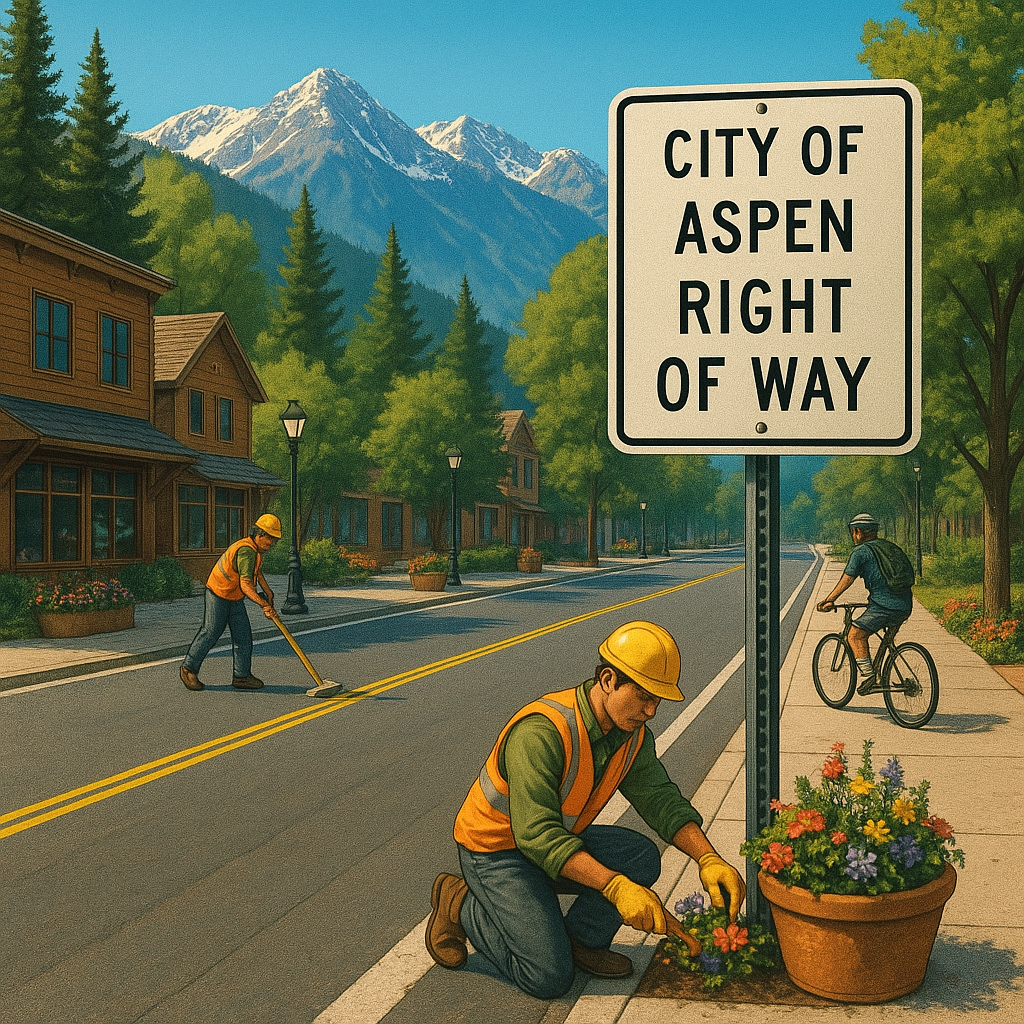
If you’re planning any kind of construction or excavation in Aspen, Colorado, you may have heard the term “maintenance bond” from the city’s engineering or permitting office. It might sound like one more piece of red tape, but it’s actually a straightforward tool that protects everyone involved. In this guide, we’ll break down what a right of way maintenance bond is, why the City of Aspen requires it, and how you can get one without losing sleep.
What Is a Maintenance Bond for Right of Way Work?
A maintenance bond is a type of surety bond. It guarantees that a contractor or property owner will keep work performed in the public right of way in good condition for a set period after the project is finished. The public right of way includes areas like sidewalks, streets, curb cuts, alleys, and utility strips that are owned by the city but often used by the public.
Think of a maintenance bond like a co-signer on a lease. If the contractor can’t or won’t fix a problem, the bonding company steps in and covers the cost up to the bond amount. It is not insurance for the contractor. It is a three-party promise between the contractor, the City of Aspen, and the surety company.
Why the City of Aspen Requires These Bonds
Aspen is a mountain community with unique infrastructure challenges. Freeze-thaw cycles, heavy snow, spring runoff, and regular traffic all put stress on roads, sidewalks, and underground utilities. When a contractor cuts into a street or sidewalk to install a water line, sewer line, or utility conduit, the repair needs to hold up over time.
The City of Aspen maintenance bond ensures that taxpayers are not left paying for repairs caused by defective work. If the asphalt sinks, the concrete cracks, or the restoration fails within the maintenance period, the city has a financial guarantee to fall back on. In short, the bond protects public dollars and keeps Aspen’s right of way safe and functional.
When Do You Need a Right of Way Maintenance Bond in Aspen?
Not every small project will trigger a bond requirement. However, most work that disturbs public property in Aspen will likely need one. The city typically lists the bond requirement as a condition of the right of way permit.
Common Projects That Trigger a Bond
- Installing or repairing water and sewer service lines
- Creating or modifying a driveway approach or curb cut
- Excavating in a street, alley, or sidewalk
- Installing underground utilities such as gas, electric, or fiber optic lines
- Repairing or replacing sidewalks and curbs
- Landscape or hardscape work that extends into the public right of way
- Paving or repaving after utility work
If you are unsure whether your project needs a bond, contact the City of Aspen’s engineering or public works department. They can tell you the exact bond amount and form they require before you start.
How Does a Maintenance Bond Work?
The process is fairly simple once you understand the basic steps. First, the contractor obtains the bond from a surety company after being approved. The bond is then filed with the City of Aspen as part of the permit package. Once the work is completed and inspected, the maintenance period begins.
During this period, the contractor is responsible for any defects related to workmanship or materials in the right of way. If a problem appears, the city notifies the contractor. If the contractor fails to make the repairs, the city can file a claim against the bond. The surety company then pays the city up to the full bond amount and later seeks reimbursement from the contractor.
The Maintenance Period Explained
In many Colorado municipalities, the required maintenance period is between one and two years. Aspen may specify a different timeframe depending on the project. This period is important because mountain weather can reveal problems that were not visible right after construction. A pavement patch may look fine in July, but after a winter of freezing and thawing, settlement or cracking may appear.
How Much Does an Aspen Maintenance Bond Cost?
You do not have to pay the full bond amount to get a maintenance bond. Instead, you pay a premium, which is a small percentage of the total bond amount. For most contractors with decent credit, the premium ranges from about 1% to 3% of the bond amount.
For example, if the City of Aspen requires a $10,000 maintenance bond, your premium might be between $100 and $300. If the bond amount is larger, the surety company may look more closely at your business financials and credit history. Even so, maintenance bonds are generally affordable for most property owners and contractors.
How to Get a Right of Way Maintenance Bond in Aspen
Getting a maintenance bond for an Aspen right of way project is usually a quick process. The key is to have the correct bond form and amount requested by the city. Once you have that information, follow these steps:
- Contact a surety bond agency that is licensed in Colorado.
- Provide basic information about your business or project.
- Complete a short application, which may include a credit check.
- Receive a quote and pay the premium.
- Receive the bond form and file it with the City of Aspen.
Many agencies can issue standard maintenance bonds within 24 to 48 hours. If your credit is strong, the process can be even faster.
Maintenance Bond vs. Performance Bond: What’s the Difference?
These two bonds are often confused, but they serve different purposes. A performance bond guarantees that the contractor will complete the project according to the contract. It protects the city during the construction phase.
A maintenance bond, on the other hand, kicks in after the project is complete. It guarantees the quality and durability of the work during the maintenance period. In some cases, a single surety bond may include both performance and maintenance coverage. Always check with the City of Aspen to see which type of bond your permit requires.
What Happens If You Don’t Get the Bond?
If the City of Aspen requires a maintenance bond and you do not provide one, your right of way permit will not be issued. That means you cannot legally start the work. Starting without a permit can lead to stop-work orders, fines, and expensive delays. The city takes public right of way safety seriously, and skipping the bond is not worth the risk.
Tips for Contractors and Property Owners
Dealing with bonds and permits can feel overwhelming, but a little preparation goes a long way. Keep a copy of your bond and permit at the job site. Know when the maintenance period starts and ends. Schedule inspections as required and communicate with the city if you notice any issues. If you are a property owner hiring a contractor, confirm that the contractor has the proper bond before work begins.
Also, remember that Aspen’s weather can expose defects later in the year. Plan for possible follow-up repairs, especially after the first winter. A proactive approach can prevent a small issue from turning into a bond claim.
Final Thoughts
A right of way maintenance bond is not a burden. It is a practical safeguard that protects Aspen’s public spaces, preserves taxpayer dollars, and encourages quality workmanship. Whether you are a local contractor or a property owner planning a small excavation, understanding this requirement can save you time and stress.
If you have a project coming up in Aspen, Colorado, reach out to the city’s permitting office for exact bond requirements. Then work with a trusted surety bond professional to get the coverage you need. With the right preparation, you can start your project with confidence and keep Aspen’s right of way safe for everyone.