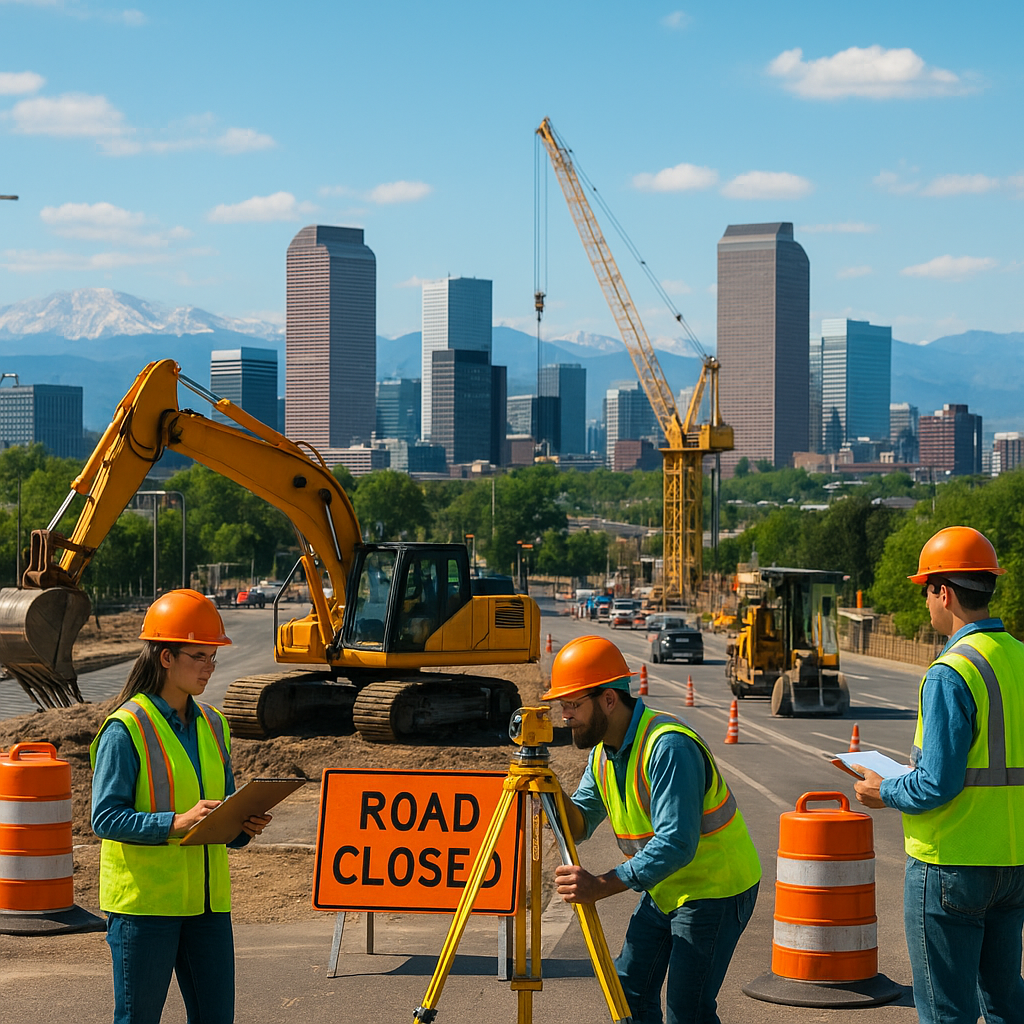
If you’re a structural contractor working in the Mile High City, you already know that every project comes with its own set of rules. But when your work moves beyond the property line and into the public right of way, things can get a little trickier. The City and County of Denver takes its sidewalks, streets, and utility strips seriously. That’s where the structural contractor bond for right of way work comes into play.
Maybe you’re repairing a foundation that sits close to the sidewalk. Perhaps you need to stage equipment in the street or set up scaffolding that extends over a public walkway. In each case, Denver requires contractors to follow specific steps, and the bond is often at the heart of the process.
Don’t worry. This guide breaks everything down in plain English. No confusing legal speak, no endless city codes. Just the practical information you need to keep your project moving and stay on the right side of the rules.
What Is Denver’s Right of Way and Why Does It Matter?
Think of the right of way as the public’s front yard. It usually includes sidewalks, curbs, streets, alleys, and the grassy strip between the sidewalk and the curb. These areas are owned or controlled by the City and County of Denver, even when they sit right next to private property.
As a structural contractor, you may need to use this space for more than just walking from your truck to the job site. You might have to place a dumpster, park heavy equipment, or install temporary shoring that extends past the property line. Whenever you do that, Denver wants to make sure the public space stays safe and gets restored properly.
That’s why right of way regulations exist. They protect pedestrians, cyclists, drivers, utilities, and even you as a contractor. Knowing how to navigate these rules can save you from expensive fines, delays, and frustrated clients.
Understanding the Denver Structural Contractor Bond
A structural contractor bond for right of way work is a type of surety bond. In simple terms, it’s a financial promise. You promise to follow Denver’s rules, complete your work correctly, and repair any damage you cause to public property.
If something goes wrong, the bond can step in to cover the cost. Think of it like a security deposit on a rental apartment. The city doesn’t want to chase you down for repairs. The bond gives them a safety net, and it shows them you’re serious about doing the job right.
This bond is often required before Denver will issue a right of way permit. Without it, your permit application may not move forward. The exact bond amount can vary based on the scope of the work, the location, and current city requirements. Always check with Denver’s Department of Transportation and Infrastructure, or DOTI, for the most up-to-date details.
How the Bond Protects Everyone Involved
It’s easy to see the bond as just another hoop to jump through. But it actually benefits everyone.
- For the public: It ensures damaged sidewalks, streets, or utilities can be repaired without using taxpayer money.
- For the city: It provides a financial guarantee that contractors will follow the rules and restore public spaces.
- For contractors: It builds trust with clients and the city, and it helps avoid direct out-of-pocket costs for unexpected public property repairs.
Imagine you’re working on a foundation repair near a busy street. A piece of equipment accidentally cracks the sidewalk. Without a bond, the city might require you to pay for the repair upfront or delay your project until the issue is resolved. With a bond in place, the claim process can handle those costs quickly, keeping your project on track.
Steps to Navigate Denver’s Right of Way Rules
Every project is different, but the general path stays the same. Here’s a practical roadmap to help you avoid surprises.
1. Determine If You Need a Right of Way Permit
Not every structural job requires a right of way permit. But if your work impacts a sidewalk, street, alley, or utility strip, you likely need one. Ask yourself: Will I block pedestrian traffic? Will I place equipment outside the property line? Will my excavation extend into the public way? If the answer is yes, plan for a permit.
2. Find Out the Bond Requirements
Once you know a permit is needed, check the bond requirements with the City and County of Denver. The city may ask for a structural contractor bond specifically for right of way work. Make sure you know the required amount and any special conditions before you apply.
3. Obtain the Bond from a Reputable Surety Company
You can get a Denver structural contractor bond through a licensed surety company. The process is usually straightforward. You’ll fill out an application, provide some basic business information, and pay a premium. The premium is typically a small percentage of the total bond amount. If your credit and business history are solid, the cost is often lower than you might expect.
4. Submit Your Permit Application with the Bond
With your bond in hand, you can submit your right of way permit application to Denver. Include all required documents, drawings, and fees. The city will review your plan, and if everything checks out, you’ll receive approval to proceed.
5. Follow the Rules and Restore the Area
Once you’re approved, don’t treat the permit as a piece of paper. Follow the approved traffic control plan, keep pedestrian paths safe, and protect existing utilities. When the work is done, restore any public space you disturbed. Take photos before and after. This simple habit can protect you if a dispute arises later.
Common Mistakes to Avoid
Even experienced contractors can slip up. Here are a few mistakes that can lead to fines, claims, or project delays.
- Skipping the permit: Working in the right of way without a permit is one of the fastest ways to get a stop-work order.
- Buying the wrong bond: A general contractor license bond and a right of way structural contractor bond are not the same. Verify you have the correct one.
- Ignoring safety requirements: Pedestrians and cyclists still need safe paths around your work zone. Failing to install proper barricades or signage can lead to accidents and claims.
- Forgetting to renew the bond: Some bonds expire or need to stay active for a certain period after the permit is closed. Keep your paperwork current.
- Poor documentation: If you don’t document the site condition before and after, you might be blamed for damage you didn’t cause.
Why This Matters for Your Denver Structural Contracting Business
Think of Denver’s right of way regulations as part of the cost of doing business in a growing city. The rules aren’t there to slow you down. They’re there to keep public spaces safe and maintain the city’s infrastructure.
When you understand the bond and permit process, you can bid projects more accurately. You can avoid delays caused by last-minute permit scrambles. And you can build a reputation as a contractor who gets the job done without leaving a mess behind.
That reputation matters. Property owners, developers, and general contractors prefer working with teams that know how to navigate city rules. In Denver’s competitive construction market, being the contractor who handles right of way work smoothly can set you apart.
Final Thoughts
Navigating Denver’s right of way regulations for structural contractors doesn’t have to be overwhelming. It starts with understanding the space you’re working in, knowing when a permit is required, and securing the right structural contractor bond. From there, it’s all about following the rules, protecting the public, and restoring the area when you’re done.
If you have a project coming up, start early. Check with the City and County of Denver, ask questions, and get your bond in order before you need it. A little preparation now can save you from big headaches later.
So, is your next project ready to step into the right of way? With the right knowledge and the right bond, you can keep Denver moving forward—safely and successfully.