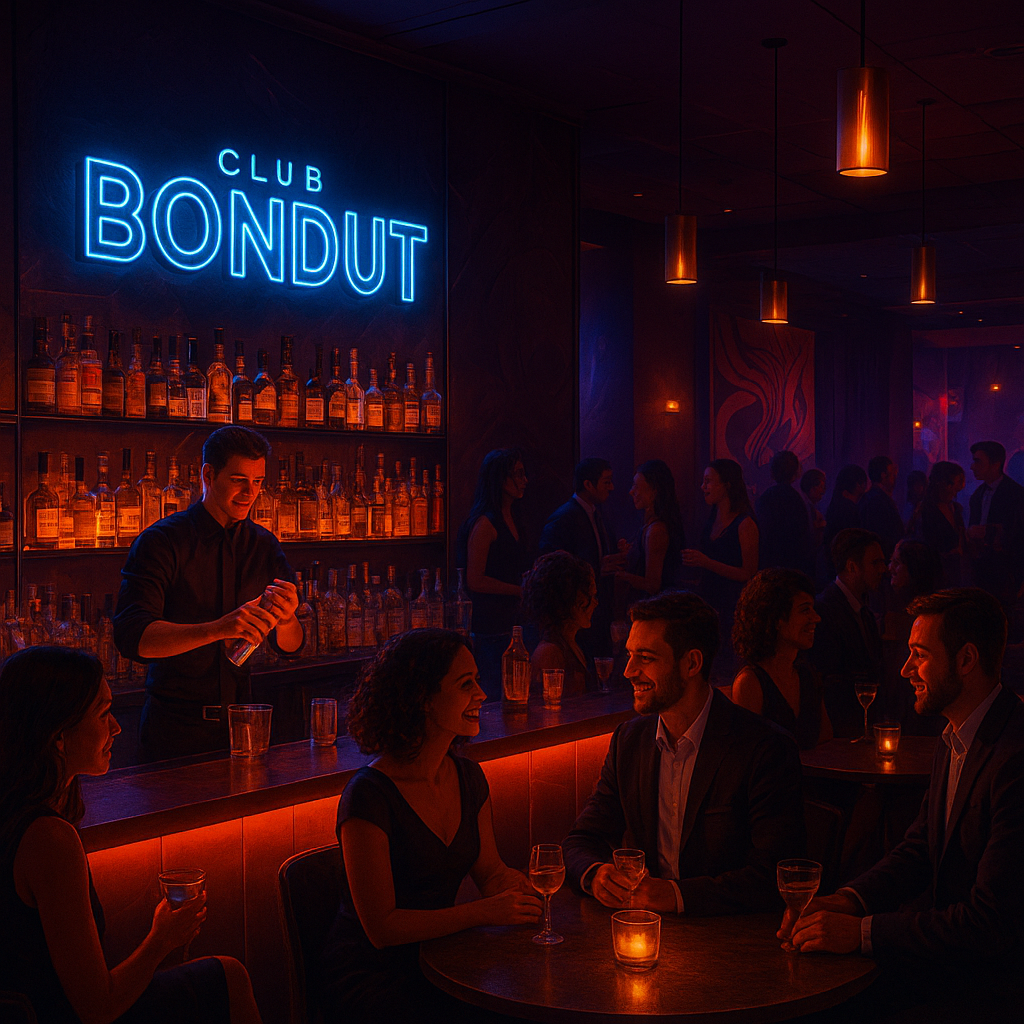
Utah’s nightlife scene is not what it was twenty years ago. Today, a growing number of bars, restaurants, and private clubs are helping create a more vibrant evening culture in cities like Salt Lake City, Ogden, and Park City. But with that growth comes a big responsibility. If you run a club or bar, you already know that selling alcohol is not as simple as stocking bottles and opening your doors.
Behind every legal drink served in Utah is a set of rules managed by the Utah Department of Alcoholic Beverage Control. One topic that often confuses new business owners is the club bond tied to an on-premise liquor sale. You may have seen the term pop up in your license paperwork and wondered what it really means. Let’s break it down in plain English.
What Is the Utah DABC Club Bond?
Think of a club bond as a financial promise. It is not the same as regular business insurance, even though people sometimes use the words interchangeably. A bond is more like a safety net for the state and the public. When you get a club bond through the Utah Department of Alcoholic Beverage Control, you are essentially saying, “I will follow the rules and pay what I owe.” If you don’t, the state can make a claim against that bond.
For many people, the easiest way to understand this is to compare it to a security deposit on an apartment. Your landlord holds that deposit in case you damage the unit or skip rent. A club bond works the same way, but it protects the state when a liquor licensee fails to meet tax obligations or violates certain regulations tied to on-premise liquor sales.
Why Does a Bar or Club Need a Club Bond?
You might ask, “Why doesn’t the state just trust businesses to pay on time?” The answer is simple: alcohol sales involve a lot of money, and tax collection has to stay consistent. Utah uses the club bond to protect the public interest. If a club collects liquor taxes from customers and then fails to send that money to the state, the bond helps cover the loss. It also gives the Utah Department of Alcoholic Beverage Control a way to enforce its rules without immediately shutting down a business over a financial mistake.
For club owners, the bond is not meant to be a punishment. It is a standard requirement that helps keep everyone playing by the same rules. It can also show local community members that you are serious about running a responsible operation.
Understanding On-Premise Liquor Sales in Utah
In the alcohol world, there is a big difference between buying a bottle to take home and buying a drink to enjoy on the spot. That difference is called on-premise versus off-premise sales. An on-premise liquor sale happens when a customer buys and consumes alcohol at the same location. This is the model used by bars, restaurants, nightclubs, and some event venues.
Off-premise sales, by contrast, happen at places like state-run liquor stores or some package agencies where customers leave with bottles unopened. Utah keeps these two worlds separate for good reason. An on-premise business has a responsibility to watch for intoxication, check IDs, and create a safe environment. A club or bar is not just selling a product. It is hosting an experience.
Who Needs an On-Premise Liquor License in Utah?
If your business serves alcohol for people to drink while they are still inside your building, you likely need an on-premise liquor license. This often includes:
- Bars and taverns
- Nightclubs and dance clubs
- Restaurants that serve cocktails with meals
- Private social clubs
- Hotels with lounge or restaurant service
- Event spaces and concert halls that sell alcohol
Each type of license can carry different rules, but many of them require a club bond. That is why you will often see the term Utah club bond appear in application checklists for the Utah Department of Alcoholic Beverage Control.
How the Utah Department of Alcoholic Beverage Control Fits In
The Utah Department of Alcoholic Beverage Control, often called the DABC, is the state agency that oversees who can sell alcohol and how they can sell it. The DABC handles licensing, inspections, enforcement, and education for liquor-related businesses. If you have questions about club bonds, liquor sale regulations, or on-premise rules, this is the agency to contact.
One common misconception is that the DABC is only there to make things harder. In reality, the department helps create a clear structure. Without that structure, every city could have different rules, and business owners would face confusion when moving from one area to another. The DABC provides one central source for the state’s liquor policies.
The Application Process at a Glance
While every situation is a little different, most business owners can expect a few key steps when applying for an on-premise liquor license that requires a club bond:
- Review the specific license type for your business model.
- Prepare documents showing your business structure and location details.
- Secure the appropriate Utah club bond amount through a licensed surety provider.
- Submit your application to the Utah Department of Alcoholic Beverage Control.
- Pass any required inspections or background checks.
- Receive your license and post it as required by law.
Working with an experienced provider can make this process much easier. The bond portion is often quicker than the licensing review, so many owners choose to handle it early.
Common Questions About Club Bonds and Liquor Licenses
It is normal to feel a little lost when you first hear about a club bond. You may wonder whether you have to pay the full bond amount out of pocket. The good news is that you usually pay only a small percentage of the total bond amount as a premium, similar to paying for an insurance policy. The surety company backs the rest.
Another frequent question is whether a club bond ever goes away. In most cases, you will need to keep your bond active for as long as your license is in effect. If you let it lapse, the Utah Department of Alcoholic Beverage Control may see that as a compliance problem, which could affect your ability to keep selling alcohol.
What Happens If Something Goes Wrong?
If a business fails to pay liquor taxes or violates a bonded requirement, the state can file a claim against the bond. The surety company may then ask the business owner to repay the amount it paid out. That is why a club bond should never be treated as free money. It is a real financial promise with real consequences. Staying organized and working with a bookkeeper can help you avoid surprises.
Tips for Staying Compliant and Supporting Utah’s Nightlife
Running a bar or club in Utah can be rewarding, but it requires attention to detail. Small mistakes, like missing a filing deadline or serving in an area not covered by your license, can lead to big headaches. Here are a few practical tips to keep things on track:
- Keep a calendar with key renewal dates for your license and club bond.
- Train your staff on Utah’s alcohol service rules every quarter.
- Maintain accurate sales records so tax payments are simple to calculate.
- Communicate with the Utah Department of Alcoholic Beverage Control if your business structure changes.
- Work with a surety provider who understands Utah’s specific club bond requirements.
Think of compliance like the foundation of a house. If the foundation is weak, everything else gets shaky. But when you handle the basics well, you can focus on what you do best: creating a fun, welcoming space for your guests.
Bringing It All Together
Navigating Utah’s alcohol laws may feel overwhelming at first, but the pieces are easier to manage when you understand the why behind them. A club bond protects the state and encourages honest business practices. An on-premise liquor sale license allows your bar or club to serve drinks responsibly in the right setting. And the Utah Department of Alcoholic Beverage Control acts as the referee, keeping the playing field fair for everyone.
So, are you ready to take the next step with your club or bar? Start by reviewing your current license status and talking to a surety professional about your Utah club bond needs. A little preparation today can save you from a lot of stress tomorrow. And when your club is running smoothly and legally, everyone wins: your business, your customers, and Utah’s growing nightlife culture.