If you’ve ever visited Utah, you know the state does things a little differently when it comes to alcohol. Maybe you noticed that some restaurants have signs saying “restaurant liquor license,” while others only serve beer. Or perhaps you’ve wondered why certain convenience stores sell beer, but you have to visit a state-run store for a bottle of wine. Behind all of this is the Utah Department of Alcoholic Beverage Control, often called the DABC.
Whether you’re a business owner, a curious local, or someone planning to open a restaurant, understanding how the DABC handles an on-premise beer bond and liquor sale on premise rules can save you time, money, and confusion. Let’s break it down in plain language.
Why Utah’s Alcohol Rules Feel Different
Utah is one of a handful of states that tightly controls the sale of alcoholic beverages. Instead of letting private stores sell liquor directly, the state runs the show through the DABC. This means the state decides what can be sold, where it can be sold, and how businesses must follow the rules.
If you come from another state, this might feel a little restrictive. But think of the DABC like a strict but organized landlord. They set the house rules, and if you want to serve alcohol, you agree to follow them. In return, you get the privilege of operating legally.
What Is an On-Premise Beer License?
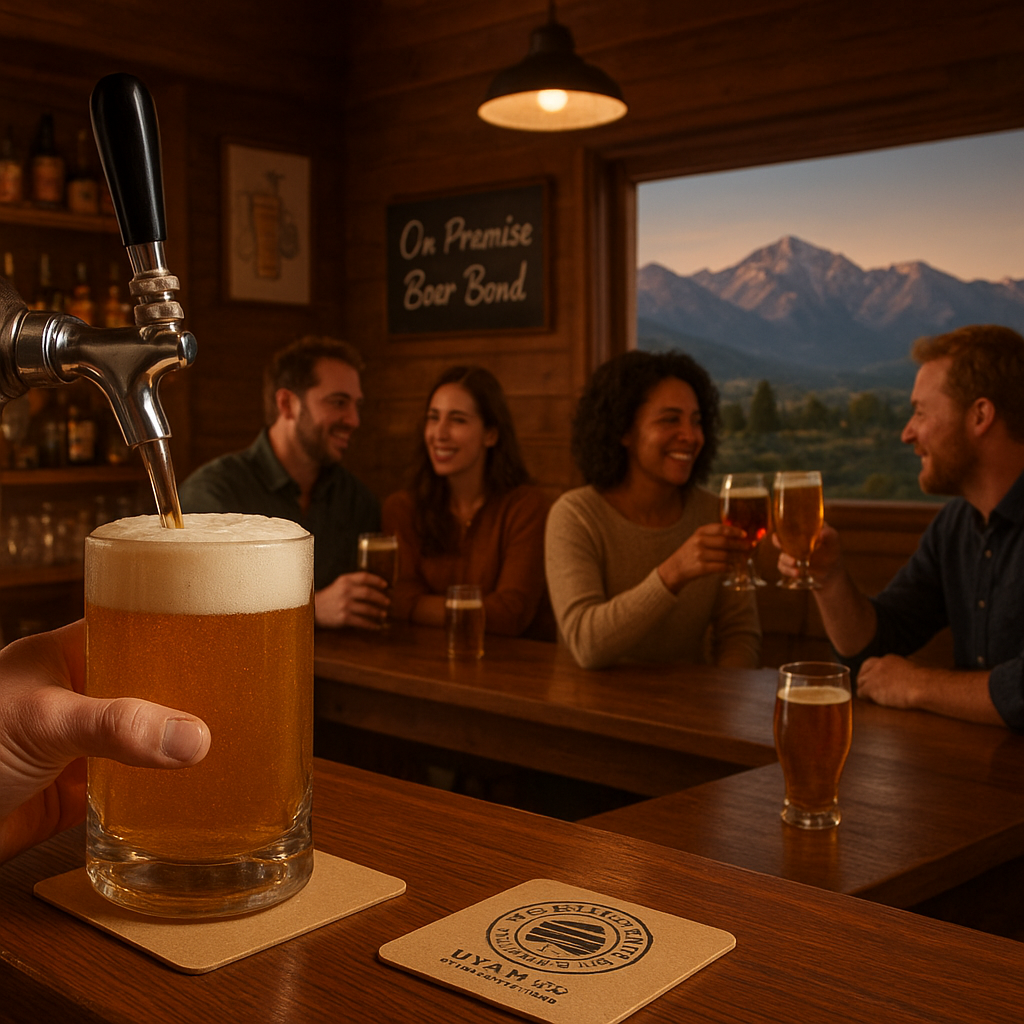
An on-premise beer license allows a business to sell beer that customers drink at the same location. The key phrase here is “on premise.” It means the beer doesn’t leave the property. Bars, restaurants, clubs, and even some event venues often need this type of license.
Think of it like the difference between eating at a restaurant and taking food to go. If you buy a six-pack at a grocery store, that’s an off-premise sale. But if a server hands you a cold pint at a pub table, that’s an on-premise sale. Utah treats these two situations differently under its alcohol laws.
With an on-premise beer license, a business can serve beer directly to customers. However, this license alone may not cover wine, spirits, or heavier alcoholic drinks. Those often require a separate restaurant or bar liquor license through the DABC.
The On-Premise Beer Bond Explained
Now let’s talk about the on-premise beer bond. If you’re not familiar with bonds, don’t worry. A bond is basically a financial promise. It’s not exactly like insurance for your business—it’s more like a safety net for the state and the public.
When the DABC issues certain alcohol permits, they may ask for a bond. This bond guarantees that your business will follow the rules. If you break those rules—say, by failing to pay required taxes or repeatedly selling to underage customers—the state can make a claim against the bond. The bonding company may pay the claim, and then you’re responsible for paying them back.
How Does the On-Premise Beer Bond Work?
Here’s a simple way to picture it:
- You apply for an on-premise beer license through the DABC.
- The state tells you a bond is required.
- You contact a surety bond company and pay a small percentage of the total bond amount.
- The bond company issues the bond and files it with the DABC.
- Your license can move forward once the bond is accepted.
The total bond amount varies, but the out-of-pocket cost is usually much lower. For example, if the required bond is $10,000, you might only pay a few hundred dollars to the bond company. That makes it more affordable for small business owners.
How Liquor Sales Work On Premise in Utah
When we talk about a liquor sale on premise, we’re referring to drinks like vodka, whiskey, rum, and other spirits served at a bar or restaurant. In Utah, this process is tightly controlled by the DABC.
Restaurants and bars that want to serve liquor must apply for a specific liquor license. These licenses are limited in number, and the demand often outweighs the supply. That’s why you sometimes hear about restaurants opening without a liquor license or waiting years to get one.
Once a business has the proper license, it must purchase liquor through state-approved channels. The DABC operates state liquor stores, and licensed establishments typically buy their inventory from the DABC or its authorized distributors. This is different from many states where restaurants can buy directly from private wholesalers.
What This Means for Business Owners
If you plan to serve liquor on premise in Utah, expect to deal with:
- Strict licensing requirements
- Limited license availability in some areas
- State-controlled purchasing and pricing
- Ongoing compliance rules from the DABC
It can feel like a lot, but many successful bars and restaurants operate under these rules every day. The key is planning ahead and understanding the steps before you sign a lease or open your doors.
A Real-World Example: Opening a Small Bar or Restaurant
Let’s say you’re opening a cozy pizzeria in Salt Lake City. You want to serve local craft beer at the counter and maybe add cocktails later. Here’s how the process might look:
First, you apply for an on-premise beer license through the Utah DABC. As part of that application, you may need to secure an on-premise beer bond. This bond shows the state you’re serious about following the rules.
Next, you set up your point-of-sale system, train your staff, and make sure everyone knows the legal drinking age requirements. You also arrange to buy beer from a licensed distributor. If you later want to serve cocktails, you’ll go through a separate liquor license process, which might involve a waiting period and additional state approval.
Think of the beer bond as your business’s promise ring to the state. It’s not the marriage itself, but it shows you’re committed to doing things the right way.
Common Questions About Utah’s On-Premise Beer Bond and Liquor Sales
Is the on-premise beer bond the same as a liquor license?
No. The bond is a financial guarantee that supports your license. The license gives you permission to sell beer on premise. You may need both to operate legally.
How much does an on-premise beer bond cost?
The cost depends on the required bond amount and your business’s financial history. Many businesses pay only a small percentage of the total bond amount. It’s best to ask a bond provider for a quote based on your specific situation.
Can I sell beer on premise without a bond?
In many cases, the DABC will not finalize your license until the required bond is in place. If the state asks for a bond, you’ll need to provide it before you can legally sell beer for on-premise consumption.
Why does Utah control liquor sales so tightly?
Utah’s alcohol laws have deep historical and cultural roots. The state’s system is designed to balance consumer access with public safety and community standards. While it can seem complicated, the rules exist to create a controlled, accountable environment for alcohol sales.
Final Thoughts
Understanding the Utah Department of Alcoholic Beverage Control and its rules around an on-premise beer bond and liquor sale on premise doesn’t have to be overwhelming. Once you break down the terms, the process becomes easier to navigate.
If you’re planning to serve beer or liquor at your Utah business, start early. Research current DABC requirements, talk to experienced local operators, and consider speaking with a bond provider or licensing consultant. A little preparation goes a long way in the Beehive State.
Whether you’re pouring pints in Park City or mixing cocktails in Moab, staying compliant with Utah’s alcohol rules helps your business run smoothly and keeps your customers happy.