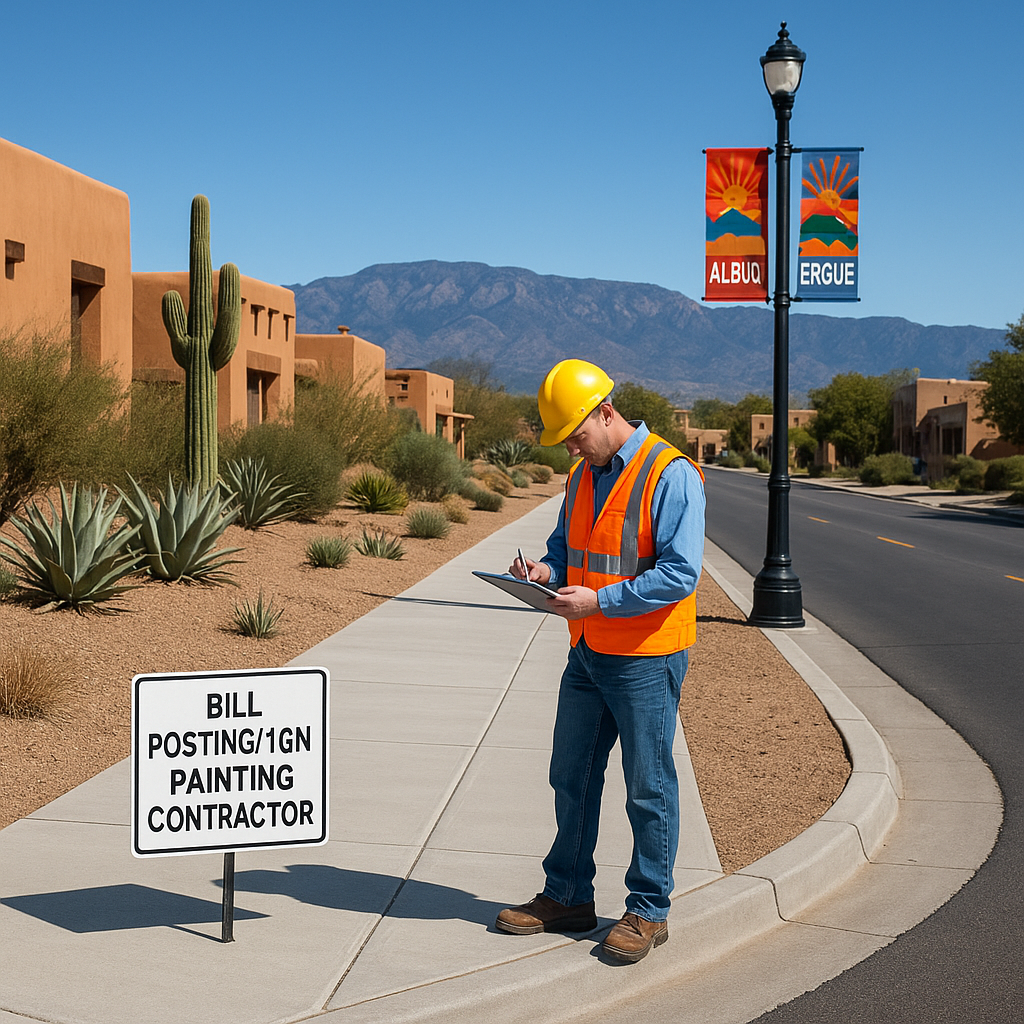
If you pour concrete, replace a driveway pad, or repair a curb and gutter in Albuquerque, you have probably come across a requirement that sounds complicated: the Contractor’s Sidewalk, Drive-Pad, Curb & Gutter Bond. It may feel like just another box to check, but understanding this rule can save you time, money, and stress.
Albuquerque has unique soil, weather, and drainage conditions. Sidewalks, drive pads, curbs, and gutters take a lot of abuse from summer heat, monsoon rains, and everyday traffic. The city wants to make sure contractors do the job correctly and follow local rules. That is where the bond comes in.
What Is a Contractor’s Sidewalk, Drive-Pad, Curb & Gutter Bond?
Think of a surety bond as a three-way promise. It involves the contractor, the city, and the surety company. When you get bonded, you promise to follow Albuquerque’s building codes and regulations. The surety company backs that promise financially if something goes wrong.
This bond is often called a compliance bond. It does not work like insurance. Insurance protects your business. A bond protects the public and the city. If you fail to meet the rules, a claim can be filed against your bond.
For contractors working on sidewalks, drive pads, curbs, and gutters, this bond is a sign that you take local compliance seriously. It can also make property owners feel more comfortable hiring you.
Why Albuquerque Requires This Bond
The City of Albuquerque wants safe, durable, and accessible public and private walkways. A poorly poured sidewalk or a badly sloped curb can create trip hazards, drainage issues, and costly repairs. Because concrete work is hard to undo, the city uses bonds as a safeguard.
A bond encourages contractors to pull permits, follow specifications, and finish work correctly. If the work does not meet standards, the bond can help cover the cost of fixing it. This keeps the burden off taxpayers and homeowners.
Who Needs a Compliance Bond in Albuquerque?
If you are a contractor performing sidewalk, drive-pad, curb, and gutter work in Albuquerque, this bond may be required. The requirement often applies to concrete contractors, paving contractors, and general contractors who take on these specific projects.
Some specialty contractors also need a compliance-only bond. For example, the City of Albuquerque lists a Bill Posting/Sign Painting Contractor – Compliance Only bond. This type of bond works the same way. It promises that the contractor will follow local rules, but it does not act as a financial guarantee for the quality of every sign or posting job.
If your trade is different, you may still encounter a compliance bond. The key is to check with the city or a bond provider about the exact bond type for your license classification.
What Counts as Sidewalk, Drive-Pad, Curb, and Gutter Work?
This category covers a wide range of concrete and flatwork projects. Common examples include:
- Installing or replacing residential and commercial sidewalks
- Pouring new driveway pads or aprons
- Repairing damaged curbs
- Building or rebuilding gutters for proper drainage
- Resurfacing or leveling existing concrete walkways
- Constructing ADA-compliant ramps and curb cuts
Each of these jobs can affect public safety, water flow, and property access. That is why the city treats them as regulated work.
Bill Posting and Sign Painting Contractors: Compliance Only
You may wonder what bill posting and sign painting have to do with concrete work. They are different contractor categories, but both can fall under Albuquerque’s compliance bond umbrella.
A Bill Posting/Sign Painting Contractor – Compliance Only bond is meant for contractors who install or paint signs, post bills, or handle outdoor advertising. This bond does not necessarily cover the physical workmanship of a sign in the same way a construction bond might. Instead, it assures the city that the contractor will comply with local codes, zoning rules, and permit requirements.
If you hold multiple license classifications, you may need more than one bond. Always confirm your specific requirements with the City of Albuquerque before you start a project.
How the Bond Works if a Problem Happens
Let’s say a contractor pours a driveway pad, but the slope is wrong and water drains toward a home’s foundation. The city or property owner may file a claim against the bond. The surety company investigates the claim.
If the claim is valid, the surety pays up to the bond amount. The contractor is then responsible for reimbursing the surety. This is different from insurance, where a covered loss may simply be paid by the insurer.
For contractors, this means it is always better to fix problems before a claim is filed. A bond claim can raise your future bond costs and damage your reputation.
What Does the Bond Cost?
The total bond amount is set by the City of Albuquerque. The amount you pay is a small percentage of that total. This premium depends on factors like your credit score, business history, and financial stability.
Many contractors are surprised that a compliance bond is often affordable. Even if the bond amount is several thousand dollars, you typically pay only a fraction of that upfront. For example, a contractor with good credit might pay a low annual premium, while a contractor with credit challenges may pay more.
To get the best rate, compare quotes from bond providers that understand Albuquerque’s local requirements.
Steps to Get Bonded in Albuquerque
Getting your Albuquerque contractor bond does not have to be complicated. Here is a simple process:
- Confirm the exact bond type and amount required by the City of Albuquerque for your license.
- Gather your business information, including license number and entity type.
- Request a quote from a licensed surety bond provider.
- Complete a short application, which may include a credit check.
- Pay the premium and receive your bond form.
- File the bond with the city and keep a copy for your records.
It is smart to start early. Waiting until the last minute can delay your permit or license approval.
Common Mistakes to Avoid
Even experienced contractors can slip up when dealing with compliance bonds. Here are a few mistakes to watch for:
- Assuming one bond covers all work: Different license classifications often require different bonds.
- Letting a bond lapse: Your coverage must usually stay active for as long as your license is valid.
- Confusing a bond with insurance: You still need general liability insurance for your business.
- Filing the wrong bond form: The city wants the exact bond type named in its requirements.
- Ignoring a complaint: If a problem arises, address it quickly before it becomes a claim.
Frequently Asked Questions
Is this the same as general liability insurance?
No. General liability insurance protects your business from many types of accidents and property damage claims. A compliance bond protects the public and the city by guaranteeing you will follow local rules. You may need both.
Can I get bonded with bad credit?
Yes, in many cases. Bad credit may raise your premium, but it does not automatically disqualify you. Some bond providers specialize in helping contractors with less-than-perfect credit.
How long does the bond last?
Most compliance bonds are issued for one year. You will need to renew the bond annually or as required by the city. Keep your renewal date on your calendar.
Do I need this bond if I only do small repairs?
It depends on the scope of work and your license classification. Even small sidewalk or curb repairs can trigger the requirement. When in doubt, check with the City of Albuquerque or your bond provider.
Final Thoughts on Albuquerque Sidewalk and Driveway Compliance
Sidewalks, drive pads, curbs, and gutters may not be glamorous work, but they are essential to a safe and functional Albuquerque. The city’s bond requirement helps protect everyone who uses these surfaces every day.
If you are a contractor, getting the right Contractor’s Sidewalk, Drive-Pad, Curb & Gutter Bond shows that you are serious about compliance and quality work. If you are a property owner, hiring a bonded contractor gives you extra peace of mind.
Take the time to understand your bond requirements, compare quotes, and keep your coverage active. A little planning now can prevent big problems later.