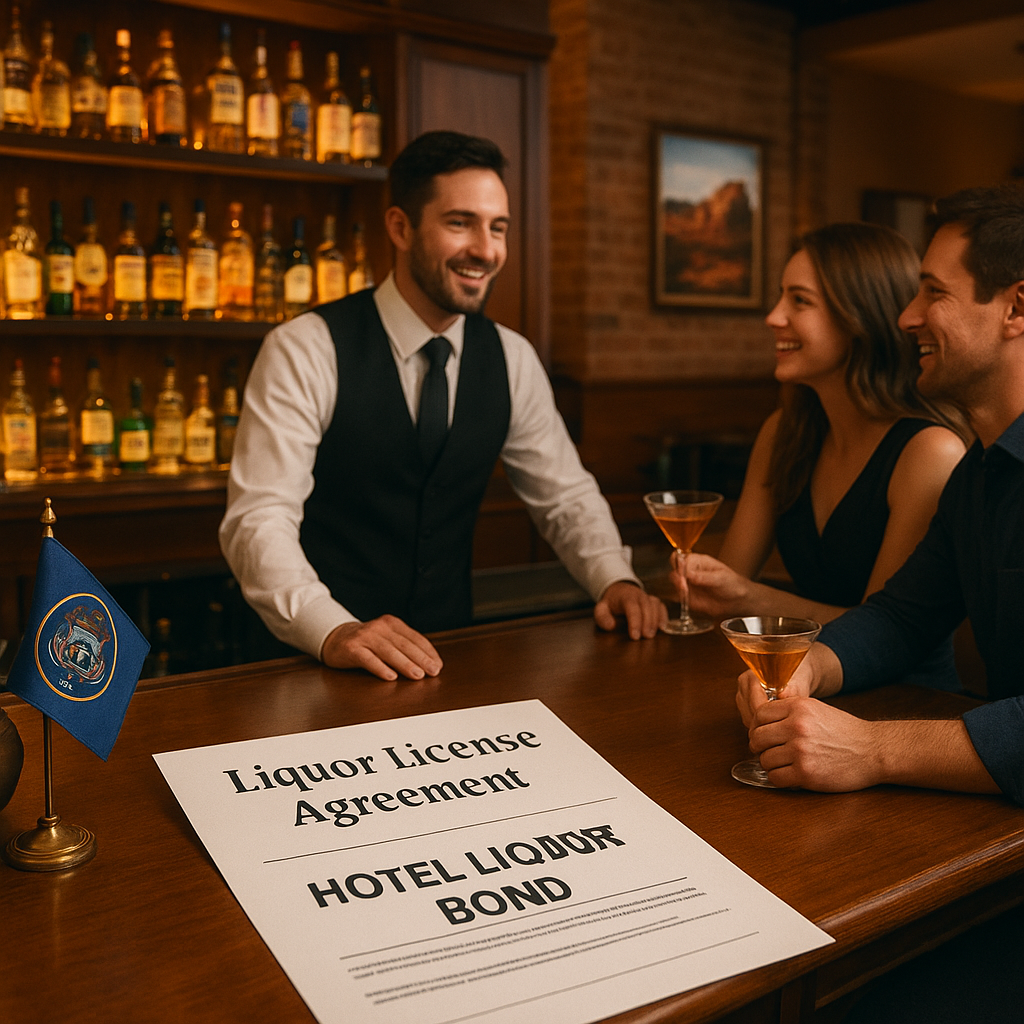
If you run a hotel in Utah, or you are thinking about opening one, you may have heard the phrase hotel liquor bond and wondered what it actually means. Utah has some of the most unique alcohol laws in the United States, and the rules can feel confusing at first. The good news is that once you break them down, they are much easier to understand.
This guide will walk you through the basics of the Utah Department of Alcoholic Beverage Control, why hotels need a liquor bond, and how alcohol sales work in a hotel setting. Think of it as a friendly roadmap through the state’s liquor regulations.
What Is the Utah Department of Alcoholic Beverage Control?
The Utah Department of Alcoholic Beverage Control, often called the DABC, is the state agency that oversees the sale, storage, and distribution of alcohol in Utah. If you want to sell beer, wine, or spirits in the state, the DABC is the agency you will deal with.
Utah is what many people call a “control state.” That means the state government takes a very hands-on role in how alcohol is sold. Unlike some states where private businesses can freely buy and sell alcohol, Utah keeps tight control over the process. The DABC manages state liquor stores, issues licenses, and makes sure businesses follow the law.
For a hotel, this means you cannot simply put a bar in the lobby and start selling drinks. You need the right license, and in many cases, you may also need a hotel liquor bond.
Why Do Hotels Need a Liquor Bond in Utah?
A hotel liquor bond is a type of surety bond. You can think of it like a financial promise. It tells the state, “If this hotel breaks the liquor laws, the bond will help cover any money owed.”
Hotels are unique because they often sell alcohol in several ways. A hotel might have a restaurant, a bar, room service, a poolside bar, or a banquet hall. Each of those activities can involve alcohol sales. Because there are so many moving parts, the state wants an extra layer of protection.
The bond is not just a piece of paper. It is a legal agreement between three parties:
- The principal: This is the hotel or business owner who needs the bond.
- The obligee: This is the state of Utah, specifically the DABC, that requires the bond.
- The surety: This is the company that backs the bond financially.
If the hotel follows all the rules, the bond simply stays in place. But if the hotel fails to pay required taxes or breaks certain liquor laws, a claim can be made against the bond. After the surety pays a valid claim, the hotel must repay that money. So the bond is not a get-out-of-jail-free card. It is more like a safety net for the state and the public.
How the Hotel Liquor Bond Works in Everyday Terms
Let’s use a simple analogy. Suppose you rent an apartment. Your landlord asks for a security deposit. That deposit protects the landlord if you damage the property or skip out on rent. A hotel liquor bond works in a similar way. It is a form of financial security that protects the state and ensures the hotel takes its obligations seriously.
The bond amount can vary based on the type of license, the size of the hotel, and the expected volume of alcohol sales. Instead of paying the full bond amount out of pocket, hotels usually pay a small percentage to a surety company. That fee is called the bond premium.
For example, if your required bond is $10,000, you might only pay a few hundred dollars per year for the bond. The exact cost will depend on your credit history, financial strength, and the surety company you choose.
Understanding Utah’s Alcohol Sale Rules for Hotels
Selling alcohol in Utah is not like selling soda or coffee. There are strict rules about when, where, and how alcohol can be served. If you operate a hotel, you need to understand these rules to avoid fines, license problems, or a bond claim.
Different Types of Hotel Alcohol Licenses
The DABC issues several types of licenses. A hotel may need one or more depending on its setup. Common license categories include:
- Restaurant license: Allows alcohol sales with food service in a dining area.
- Bar license: Allows alcohol sales in a bar or lounge area.
- Beer-only license: Allows beer sales in certain settings.
- Banquet or catering license: Allows alcohol service at events like weddings or meetings.
- Room service permit: Allows alcohol delivery to guest rooms under specific conditions.
Each license comes with its own rules. For example, a restaurant license may require that a certain percentage of sales come from food, not just alcohol. A bar license may have different hours and age restrictions. Hotels that offer multiple alcohol services often need to coordinate all of these rules carefully.
When Can Hotels Sell Alcohol in Utah?
Utah has set hours for alcohol sales. Hotels must stop serving alcohol at the required time, which can vary depending on the license type and local rules. In many cases, alcohol service must end by 1:00 a.m. or earlier. It is important to check the current DABC rules because they can change.
Room service alcohol also has restrictions. In some cases, a guest can order alcohol to their room, but the hotel must confirm the guest is of legal drinking age and follow delivery rules. Staff training is essential to make sure these rules are followed every time.
Steps to Get a Hotel Liquor Bond in Utah
If the DABC tells you that you need a hotel liquor bond, the process is fairly straightforward. Here is a typical path:
- Confirm the bond amount: Ask the DABC or your attorney what bond amount your license requires.
- Find a licensed surety company: Work with a surety bond provider that is authorized to do business in Utah.
- Complete an application: Provide basic information about your hotel and financial history.
- Pay the premium: Once approved, pay the bond premium, which is usually a small percentage of the total bond amount.
- File the bond with the DABC: Submit proof of the bond to the state as part of your license application or renewal.
Getting a bond is often quicker than getting the liquor license itself. Still, it is wise to start the process early so it does not delay your opening or renewal.
Common Questions About Hotel Liquor Bonds and Utah Alcohol Laws
Do all Utah hotels need a liquor bond?
Not every hotel needs a bond. If your hotel does not sell alcohol, you likely do not need one. But if you plan to operate a bar, restaurant, or room service with alcohol, the DABC may require a bond as part of your license.
Is a hotel liquor bond the same as a liquor liability insurance policy?
No. A bond protects the state and ensures the hotel meets its legal and financial obligations. Liquor liability insurance protects the hotel from certain lawsuits, such as accidents caused by an intoxicated guest. They serve different purposes and are often both required or recommended.
What happens if a claim is filed against my bond?
If a valid claim is filed, the surety company may pay the claim up to the bond amount. However, you as the hotel owner are ultimately responsible for repaying the surety company. That is why it is critical to follow DABC rules and keep accurate records.
Can I get a bond with bad credit?
Yes, in many cases. Surety companies look at your financial history, but there are programs for applicants with less-than-perfect credit. You may pay a higher premium, but you can still often get bonded.
Tips for Staying Compliant with Utah Hotel Alcohol Regulations
Staying compliant does not have to be overwhelming. Here are a few practical tips to help your hotel avoid problems:
- Train your staff regularly: Every server, bartender, and room service employee should understand Utah’s alcohol laws.
- Check IDs carefully: Utah has strict rules about serving minors. Always verify identification.
- Keep good records: Track alcohol orders, sales, and tax payments. Clear records can prevent disputes.
- Know your license limits: Do not sell alcohol outside the areas or hours allowed by your license.
- Renew on time: Late renewals can cause license lapses, fines, or bond claims.
Think of compliance as part of your daily operations. A little attention each day can save you from big headaches later.
Why Understanding These Rules Matters
Utah’s alcohol regulations can feel strict, but they exist to promote responsible service and public safety. For hotel owners, understanding the role of the Utah Department of Alcoholic Beverage Control is essential. A hotel liquor bond is simply one piece of the puzzle. It shows the state that you are serious about following the rules.
Whether you operate a boutique hotel in Park City, a chain hotel near Salt Lake City, or a resort in southern Utah, the same principles apply. Know your license, secure your bond, train your team, and stay current with DABC rules.
When you take these steps, you can focus on what really matters: giving your guests a great experience. And if a guest wants to enjoy a glass of wine with dinner or a cocktail by the pool, you will be ready to serve them legally and responsibly.
If you have more questions about hotel liquor bonds or Utah alcohol sale regulations, reach out to a licensed surety bond provider or consult the DABC directly. A little guidance now can make your path much smoother down the road.