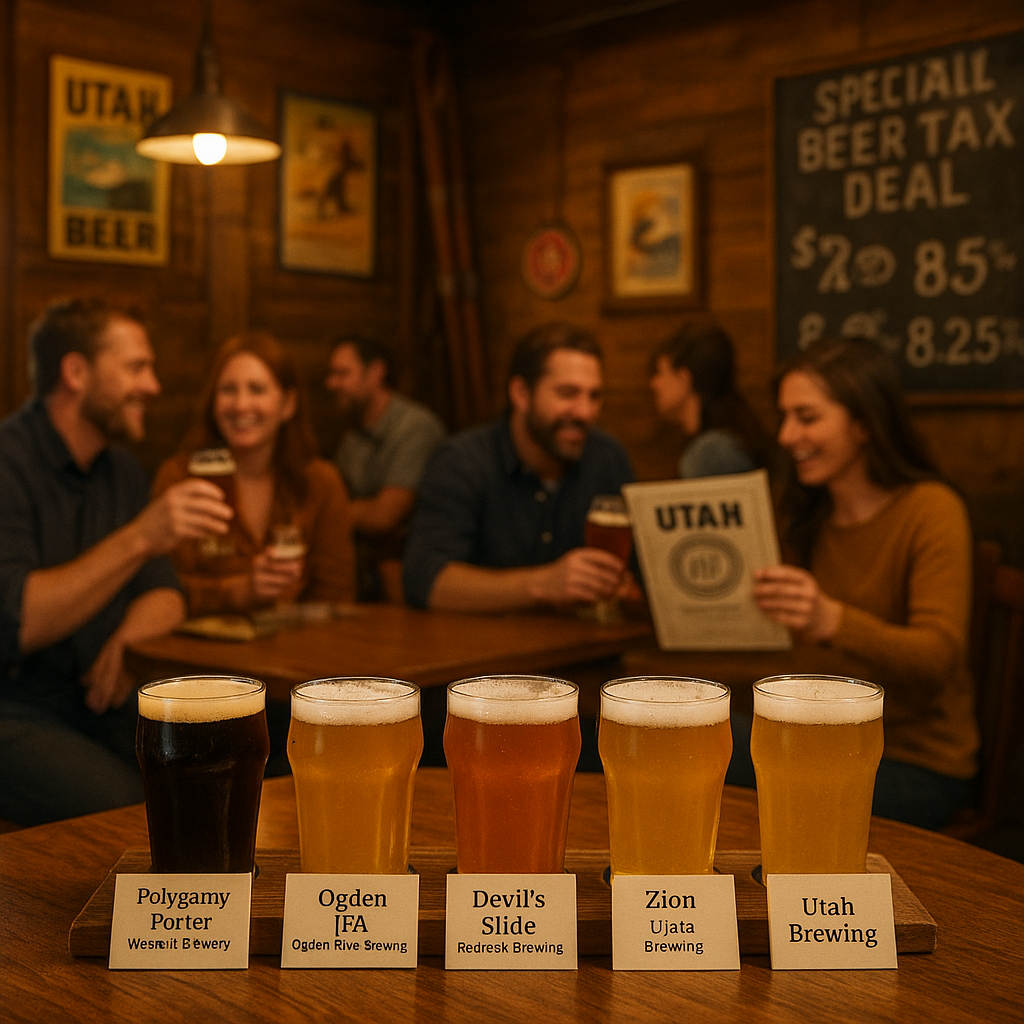
Utah has long had a reputation for strict alcohol laws. But the state is shifting gears in a way that could mean big things for restaurant owners and beer lovers alike. A new Utah law now opens the door for beer-only restaurants, creating a simpler path for certain food businesses that want to serve beer without jumping through every hoop required for a full bar or restaurant liquor license.
So, what does this actually mean? How does the Utah Department of Alcoholic Beverage Control fit in? And what’s the deal with a beer-only restaurant bond and beer tax? Let’s break it down in plain, everyday language.
What Is a Beer-Only Restaurant in Utah?
Think of a beer-only restaurant as a middle ground. It’s not a full-service bar where you can order cocktails, wine, and spirits. And it’s not a dry café where you only get soda or coffee. Instead, it’s a restaurant that can serve beer with meals, without needing the same type of license as a traditional bar or full liquor restaurant.
Under the new rules, qualifying restaurants can offer beer to customers who are dining in. This gives smaller eateries a chance to boost their menu options and attract customers who enjoy a cold beer with lunch or dinner. But it also keeps the state’s oversight firmly in place through permits, bonds, and taxes.
Imagine you own a small taco shop in Ogden or a burger joint in Provo. Before this change, you might have felt that adding beer to your menu was too complicated or too expensive. Now, the beer-only restaurant option could be a practical way to grow your business without the full weight of a traditional liquor license.
Why Utah Created This New Law
Utah’s alcohol laws have always been a balancing act. The state wants to support local businesses and hospitality, but it also wants to maintain public safety and responsible alcohol sales. This new law helps bridge that gap by creating a narrower, more focused license category.
For many small restaurants, a full liquor license can be expensive and difficult to obtain. There may be quotas, lengthy waiting periods, and complex compliance rules. A beer-only license strips away some of that burden while still requiring businesses to follow state rules. It’s a way to make alcohol licensing more accessible without throwing the doors wide open.
It also recognizes a simple reality: many diners enjoy beer with food. By allowing more restaurants to serve beer legally, Utah helps local businesses compete with restaurants in neighboring states where alcohol rules may feel less restrictive.
The Role of the Utah Department of Alcoholic Beverage Control
The Utah Department of Alcoholic Beverage Control, often called the DABC, is the agency that oversees alcohol sales in the state. If you want to serve beer in a restaurant setting, you’ll be dealing with this department.
The DABC handles licensing, enforcement, and tax collection. That means they make sure restaurants follow the rules, pay the right taxes, and maintain a safe environment for customers. The beer-only restaurant license falls under their umbrella, so restaurant owners must get familiar with DABC requirements before opening their doors.
In many ways, the DABC acts like a referee. They don’t exist to make life harder for business owners. Their job is to keep the whole system fair, legal, and orderly. When you apply for a beer-only restaurant license, the DABC will review your business, check your background, and make sure you meet the basic qualifications.
What Is a Beer Only Restaurant Bond?
One term that often confuses new applicants is the beer only restaurant bond. A bond is not the same as insurance. Instead, think of it as a financial promise. When you get a bond, you’re telling the state, “I will follow the rules and pay what I owe.” If you don’t, the bond can be used to cover certain financial losses.
For a beer-only restaurant, the bond helps protect the state and the public. It can cover unpaid beer taxes or other obligations tied to the license. The bond amount can vary based on factors like expected sales volume or the specific requirements set by the DABC.
Here’s a simple way to understand it. When you rent an apartment, you might pay a security deposit. That deposit is there in case you damage the unit or skip out without paying. A bond works in a similar way. You’re putting a financial guarantee behind your promise to operate legally.
Getting a beer only restaurant bond usually involves working with a surety company. You pay a small percentage of the total bond amount, and the surety company backs the rest. If your business has strong financials and a good history, you’ll likely pay a lower rate.
Don’t Forget the Beer Tax
Another key piece of the puzzle is the beer tax. In Utah, beer sold in restaurants is subject to an excise tax. This tax is collected by the state and must be reported on a regular basis. The exact rate can depend on the type of beer and how it’s sold, but the principle is simple: if you sell beer, you owe tax on it.
Many restaurant owners already deal with sales tax, but beer tax is separate. It’s tied specifically to alcohol sales and is often handled through the DABC. Missing a beer tax payment can lead to fines, interest, or even problems with your license. That’s why the bond is so important. It gives the state a way to recover unpaid taxes if something goes wrong.
When you open a beer-only restaurant, you’ll need to keep good records. Track how much beer you buy and how much you sell. This helps you report the correct beer tax amount and avoid surprises down the road. Many owners use restaurant point-of-sale systems to track beer sales separately from food and non-alcoholic drinks.
How to Get Licensed as a Beer-Only Restaurant
If you’re thinking about applying, the process may feel a little overwhelming at first. But it becomes easier when you break it into simple steps.
Here’s a general overview of what you can expect:
- Review DABC requirements: Start by visiting the Utah DABC website or contacting their office. Make sure your business qualifies as a restaurant and that you meet basic eligibility rules.
- Prepare your paperwork: You’ll likely need to provide details about your business structure, ownership, location, and food menu.
- Obtain a beer only restaurant bond: Work with a surety company to secure the required bond amount.
- Register for beer tax: Set up your accounts so you can report and pay beer taxes on time.
- Pass inspections and reviews: The DABC or local authorities may inspect your restaurant to confirm it meets safety and zoning standards.
- Renew your license annually: Most licenses require yearly renewal, which means staying current on taxes, bond coverage, and compliance.
Every business is a little different, so you should always check the most recent instructions from the DABC. Different counties and cities may also have local rules that apply.
Who Benefits from a Beer-Only Restaurant License?
The most obvious winners are restaurant owners. This license may lower the barrier to entry for serving beer. That can mean more revenue, a broader customer base, and a more complete dining experience. A customer who might otherwise leave to find a place with beer could now stay at your restaurant.
Customers benefit too. More dining options mean more variety. Maybe you can now enjoy a local craft beer at a neighborhood pizza place that never offered alcohol before. It creates a more relaxed, welcoming atmosphere without the need for a full bar scene.
Local breweries may also see a boost. As more restaurants serve beer, there may be more demand for local products. That can strengthen the local economy and build partnerships between restaurants and breweries.
Of course, the state benefits by collecting beer tax and maintaining oversight through bonds and licensing. It’s a system designed to let businesses grow while still supporting public safety and responsible sales.
Common Questions About Beer-Only Restaurants
Can a beer-only restaurant sell wine or spirits?
No. The beer-only license is specifically for beer. If you want to sell wine, spirits, or mixed drinks, you’ll likely need a different type of license through the DABC.
Does the restaurant have to serve food?
Yes. This license is designed for restaurants, not standalone bars. Food service is a key part of the equation. The exact food requirements can vary, so it’s best to confirm with the DABC.
Is the beer only restaurant bond expensive?
Not usually. You don’t pay the full bond amount upfront. Instead, you pay a premium, which is a small percentage of the total bond. The exact cost depends on your credit, business history, and the bond amount required.
What happens if I don’t pay the beer tax?
Unpaid beer tax can lead to serious consequences, including fines, license suspension, or a claim against your bond. That’s a situation you want to avoid by staying organized and paying on time.
Final Thoughts on Utah’s Beer-Only Restaurant Law
Utah’s alcohol landscape is changing, and the beer-only restaurant license is a welcome step for many small business owners. It offers a more accessible way to serve beer while still respecting the state’s careful approach to alcohol regulation.
If you’re considering this path, take the time to understand the key pieces: the Utah Department of Alcoholic Beverage Control rules, the beer only restaurant bond, and the beer tax obligations. Don’t let the paperwork scare you. With the right preparation, you can navigate the process and create a dining experience that customers love.
Whether you run a cozy diner, a fast-casual taco spot, or a family-friendly pizza place, this new law might open a door you didn’t think was available before. And in a state known for doing things its own way, that’s a refreshing change worth raising a glass to.