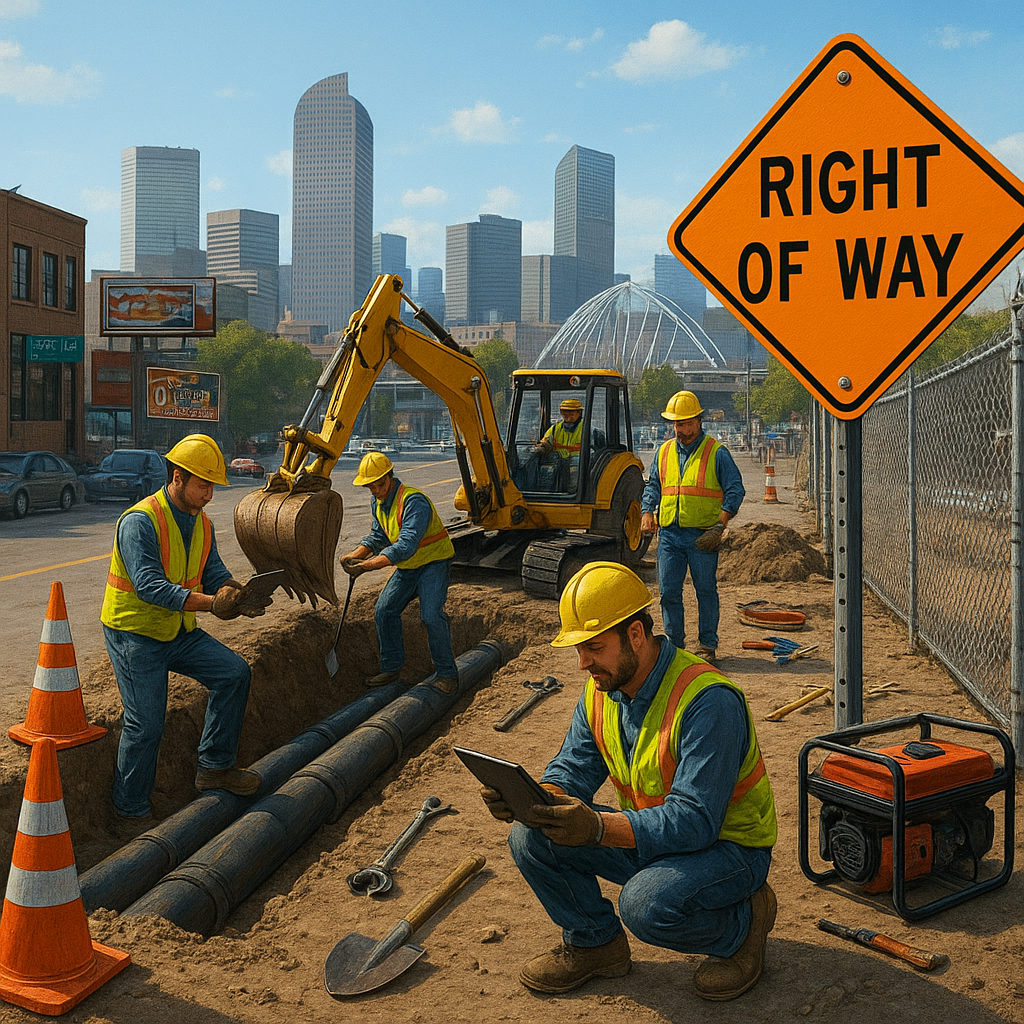
Picture this: a contractor needs to replace a cracked sewer line that runs under a busy Denver street. Before any digging starts, the city wants to know one important thing: will the work be done correctly, and will the public area be restored? That is where the City and County of Denver sewer contractor bond comes into play. It may sound like just another piece of paperwork, but it is really a promise to the community that the job will be handled responsibly.
What Is a Sewer Contractor Bond in Denver?
A sewer contractor bond is a type of surety bond. In simple terms, it is a financial safety net. It gives the City and County of Denver a way to recover money if a contractor damages public property, fails to finish a project, or does not follow local rules while working in the public right of way.
Think of it like a security deposit on a rental property. A landlord holds a deposit in case something goes wrong. The city uses a bond in a similar way. If a contractor makes a mess or leaves a dangerous situation behind, the bond can help pay to fix it.
Why the Right of Way Matters
The right of way is public space owned or controlled by the city. It often includes streets, sidewalks, alleys, and the ground beneath them. In Denver, sewer lines frequently run under these public areas. That means contractors cannot simply dig wherever they want. They need permission, usually in the form of a right of way permit.
Because this work happens in shared public space, the city wants to protect everyone who uses those streets and sidewalks. The sewer contractor bond helps make sure that if something goes wrong, taxpayers are not left paying for the damage.
How the Bond Protects the Community
Imagine a contractor cuts into a street to repair a sewer line. After the repair, the pavement is not compacted properly. A few weeks later, the road surface sinks and creates a hazard for drivers. The city can step in and use the bond to cover the cost of repairing that road.
The bond does not just protect the city government. It also protects residents and business owners. It helps ensure that public spaces are restored to a safe and usable condition. In short, the bond holds contractors accountable for their work in the public right of way.
Who Needs a Sewer Contractor Bond in Denver?
Not every contractor will need this bond. It generally applies to those performing sewer work within Denver’s public right of way. You might need one if you are:
- Repairing or replacing sewer lines under streets or sidewalks
- Installing new sewer connections that cross public property
- Excavating in the right of way to reach underground utilities
- Working on city-approved sewer projects as a licensed contractor
If you are unsure whether your project falls under these rules, it is always best to check with the City and County of Denver right of way office. They can tell you the exact requirements for your specific job.
How Much Does a Sewer Contractor Bond Cost?
The cost of a sewer contractor bond depends on a few factors. The total bond amount required by the city is usually the biggest factor. Your personal credit score and business financial history also play a role.
Here is how it works. The total bond amount is not what you pay upfront. Instead, you pay a premium, which is a small percentage of that total. For example, if Denver requires a $10,000 bond, your premium might be a few hundred dollars per year, depending on your credit and the surety company’s rates.
While prices vary, the process is often more affordable than contractors expect. It is a cost of doing business in the right of way, but it can save you from much larger expenses later.
How to Get a Sewer Contractor Bond in Denver
Getting the right bond does not have to be complicated. Most contractors follow a simple path:
- Confirm the exact bond amount required by the City and County of Denver.
- Gather your business information, including your contractor license details.
- Request quotes from reputable surety bond providers.
- Pay the premium once you choose a provider.
- File the bond with the city as part of your right of way permit application.
It is a good idea to start this process early. Waiting until the last minute can delay your permit and slow down your project.
What Happens If a Claim Is Filed?
A claim can be filed if the city believes a contractor violated the terms of the bond. Maybe the contractor left an excavation site unsafe. Maybe the work did not meet local codes. Or maybe the contractor failed to complete the required restoration of a street or sidewalk.
When a claim is filed, the surety company investigates. If the claim is valid, the surety may pay out up to the bond amount. However, the contractor is ultimately responsible for repaying that money. In this way, a bond is not insurance for the contractor. It is a form of credit that must be reimbursed if used.
Sewer Contractor Bond vs. Insurance
This is a common point of confusion. A bond and an insurance policy are not the same thing. Insurance protects the contractor’s own business from covered losses. A bond protects the public and the city from a contractor’s failure to meet obligations.
Think of insurance as a cushion for your own business. Think of the bond as a promise to the community. Both can be important, but they serve different roles in the right of way process.
Why Denver Contractors Should Not Skip This Step
It can be tempting to view a sewer contractor bond as red tape. But skipping it or ignoring the requirement can lead to serious problems. The city may refuse to issue your right of way permit. You could face fines or legal action. Worse, your project could be shut down before it even begins.
On the other hand, having the bond in place shows the city and your clients that you are a professional. It tells them you are ready to take responsibility for your work. That can help you build trust and win more jobs in the Colorado market.
Final Thoughts on Denver’s Sewer Contractor Bond
Working in the public right of way comes with extra responsibility. The City and County of Denver uses sewer contractor bonds to keep those public spaces safe and well-maintained. For contractors, understanding this requirement is not just about checking a box. It is about showing that you respect the community and the infrastructure that everyone shares.
If you are planning sewer work in Denver, take a moment to review your project scope. Ask the city what bond amount you need. Then connect with a reliable surety provider. A little preparation now can help your project move forward smoothly and keep your reputation strong for years to come.