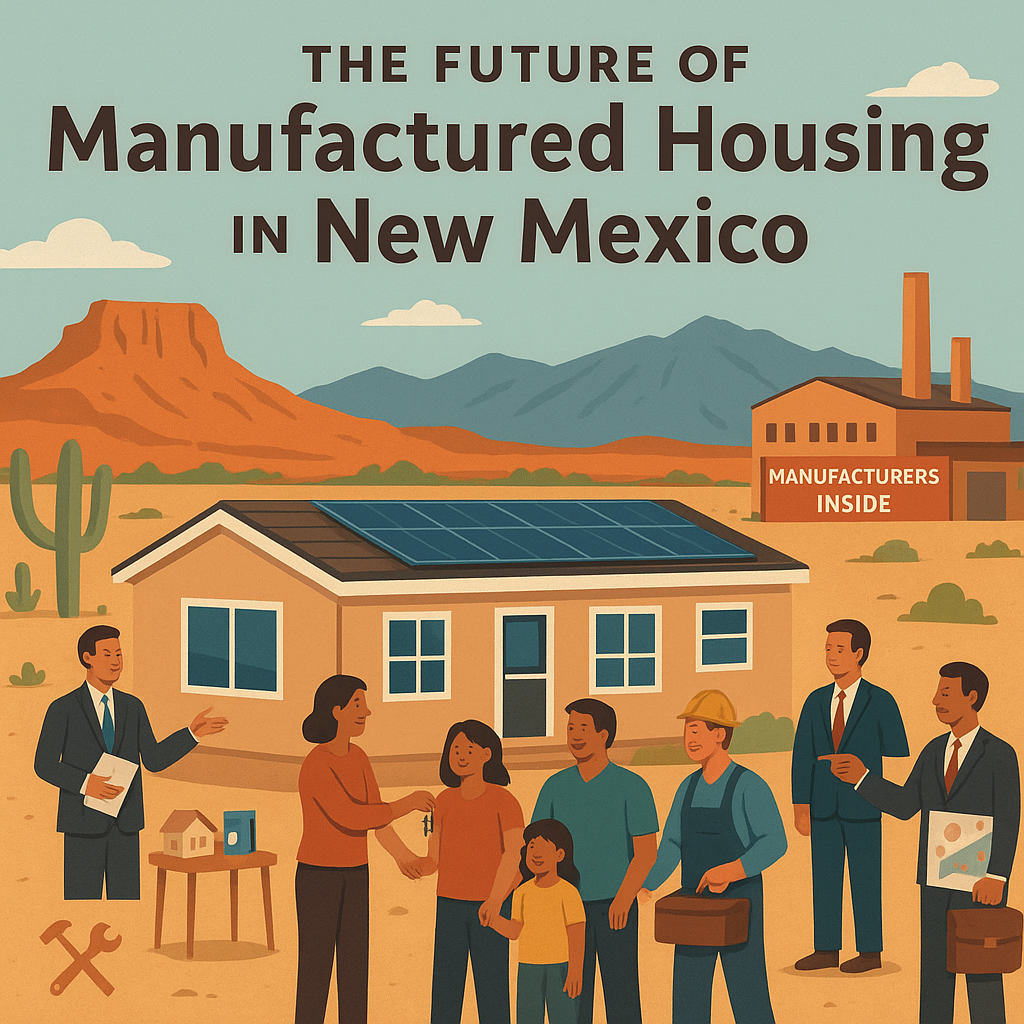
If you’re starting or growing a business in New Mexico’s manufactured housing world, you’ve probably heard about licenses, bonds, and state rules. It can sound a little dry at first. But getting the basics right can save you money, time, and a lot of stress down the road. Whether you sell homes, install them, repair them, or help buyers find the perfect fit, New Mexico has a system designed to keep everyone honest and protected.
Let’s break it all down in plain English. No confusing legal talk. Just the practical things you need to know about New Mexico’s regulations for manufactured housing businesses.
What Counts as Manufactured Housing?
Manufactured housing includes homes built in a factory and then transported to a site. You might know them as mobile homes or factory-built homes. They are built to federal safety and construction standards. Because they are not traditional site-built houses, New Mexico treats the people who sell, install, repair, and broker these homes a little differently.
Think of it like this: building a traditional home happens piece by piece in your backyard. A manufactured home arrives mostly complete. That changes how the state handles inspections, titles, transportation, and installation. And it changes who needs a license and a surety bond.
Who Needs a License in New Mexico?
New Mexico requires many manufactured housing professionals to hold a license before doing business. The exact license depends on your role. Here are the main groups:
Dealers
A dealer is someone who sells manufactured homes to the public. If you run a sales lot or help customers order a new manufactured home, you likely need a New Mexico manufactured housing dealer license. Along with that license, the state usually asks for a surety bond.
The dealer bond helps protect buyers if the dealer fails to follow the rules. For example, if a customer pays for a home but never receives the proper title, the bond can step in to help make things right.
Salespersons
Salespersons work under a licensed dealer. They are the friendly faces helping families choose floor plans, colors, and financing options. Even though they don’t own the dealership, New Mexico still requires them to be licensed. This helps ensure everyone selling homes understands the basics of consumer protection.
Picture a real estate agent. They usually work under a broker, but they still need their own license. It’s the same idea here.
Installers and Repairmen
Installers set up manufactured homes on the land. Repairmen fix plumbing, skirting, roofing, doors, and other parts of the home after installation. Both roles require a New Mexico installer or repairman license.
Why does this matter? A poorly installed home can cause serious safety problems. Floors can sag. Doors may not close. Utilities might not work correctly. The state wants installers and repairmen to be accountable, so they typically need a surety bond as part of their license.
Manufacturers
Manufacturers build the homes in a factory setting. They must follow strict federal building codes. New Mexico also requires manufacturers to be licensed or registered to sell homes in the state. This helps ensure that every home sold here meets the same safety and quality standards.
Brokers
A broker in manufactured housing can help arrange the sale between a buyer and a seller. They may not own the home or the dealership, but they play an important middle role. Because they handle transactions and consumer money, they too may need a license and bond.
CID Crossover Contractors
Some professionals work in both traditional construction and manufactured housing. In New Mexico, a CID crossover contractor is someone who already holds a contractor license through the Construction Industries Division and also works on manufactured homes.
Think of it as a crossover athlete. A person might be great at baseball, but if they also play football, they need the right equipment and training for football. In the same way, a contractor who works on site-built homes may need an additional license or bond endorsement to work on manufactured homes. The crossover rules help make sure they understand the unique needs of factory-built housing.
Why the Bond Requirement Matters
You’ll notice one thing keeps coming up: a surety bond. Almost every license type in New Mexico’s manufactured housing industry may require one. But what exactly is a surety bond?
It is not insurance for your business. Instead, it is a three-party promise. You, the state, and a surety company agree that you will follow the rules. If you don’t, the bond can pay claims to people who were harmed. Then you pay the surety company back.
Think of a surety bond like a security deposit on an apartment. The landlord holds the deposit in case you damage the unit. If you follow the rules, the deposit stays safe. A bond works the same way—except the surety company steps in to cover approved claims, and then you repay them.
In New Mexico, the required bond amount may vary based on your license type. Dealer bonds, installer bonds, repairman bonds, and broker bonds can all have different amounts. Always check with the state or a reliable surety agency to confirm your exact requirement.
How a Bond Protects Consumers
Let’s say a family buys a manufactured home from a dealer. They pay a deposit and sign paperwork. But the dealer never delivers the title. The family is stuck. They might not be able to prove ownership or move the home to their land.
This is where the New Mexico manufactured housing dealer bond becomes valuable. The family can file a claim against the bond. If the state approves the claim, the surety pays the family up to the bond amount. Then the dealer must pay the surety back. It gives consumers a safety net without them having to go straight to a long court battle.
For installers, a bond might help if a homeowner discovers after installation that the work was unsafe. If the installer refuses to fix it, the homeowner could file a bond claim.
How to Get Licensed and Bonded in New Mexico
Getting started may feel overwhelming, but it helps to break it into simple steps.
- Confirm your license type. Are you a dealer, installer, repairman, manufacturer, salesperson, or broker? Your role determines the application.
- Gather your business documents. This may include your business registration, proof of experience, and any required education.
- Find out your bond amount. Contact the New Mexico Manufactured Housing Division or a surety bond agency for help.
- Apply for your bond. You’ll pay a small premium, not the full bond amount. The premium is usually based on your credit and business history.
- File your bond and application. The state will review everything and issue your license once approved.
- Keep your bond active. Letting it lapse can put your license at risk.
What Affects the Cost of Your Bond?
The premium you pay is often a percentage of the total bond amount. If your bond is $50,000, you might pay only a few hundred dollars per year. But the exact premium depends on your personal credit score, business financials, and years of experience.
Think of it like car insurance. A driver with a clean record usually pays less. A business owner with strong credit and experience will likely pay a lower bond premium too.
Common Mistakes to Avoid
Even smart business owners make mistakes when dealing with licenses and bonds. Here are a few to watch out for:
- Confusing a bond with insurance. Insurance protects you. A bond protects the public. You may need both.
- Letting your bond lapse. If your bond expires, the state may suspend your license. Always renew on time.
- Getting the wrong license class. A salesperson license is not the same as a dealer license. Applying for the wrong one can slow you down.
- Forgetting crossover rules. If you work in traditional construction and manufactured housing, make sure you understand the CID crossover contractor requirements.
What Does This Mean for Your Business?
Being licensed and bonded is about more than checking a box. It shows customers you are trustworthy. It tells the state you follow the rules. And it gives you a professional edge over competitors who may not be doing things the right way.
New Mexico’s regulations for manufactured housing businesses may seem detailed, but they exist for good reason. A manufactured home is one of the biggest purchases a family will make. The rules help make sure that purchase is safe and secure.
Are you ready to take the next step? Start by finding your license type and getting a clear picture of your bond requirement. A little preparation now can save you from major headaches later. And when you operate with the right license and bond, you build something even more valuable than a business—you build trust.